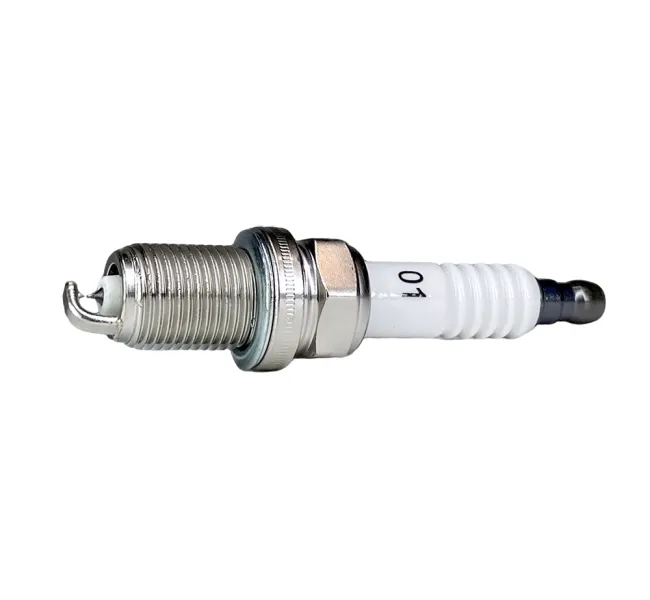
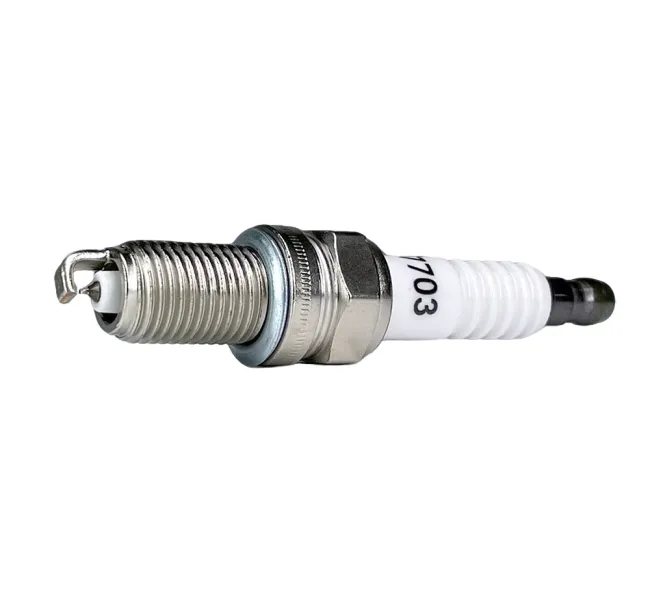
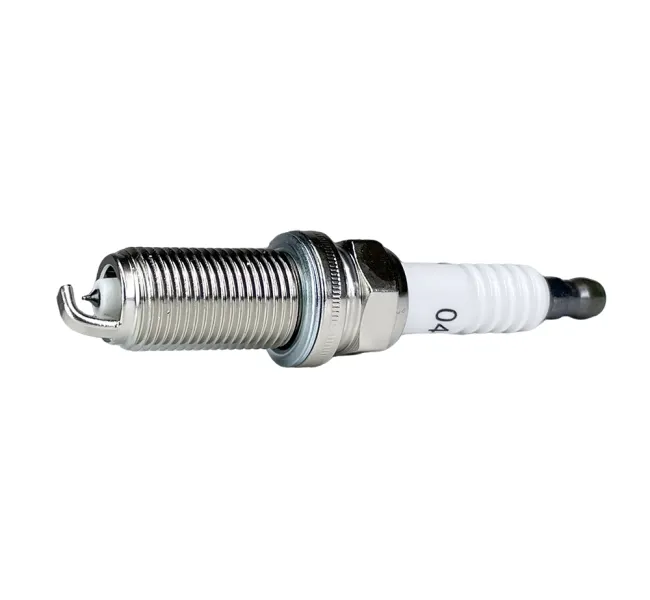
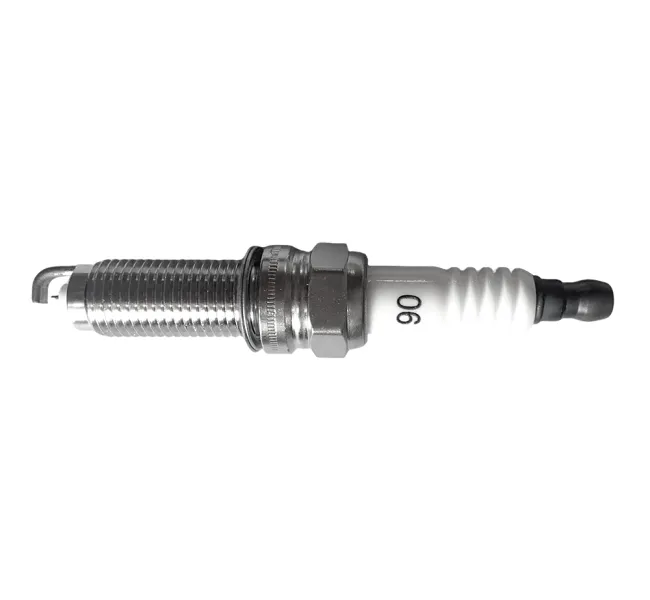
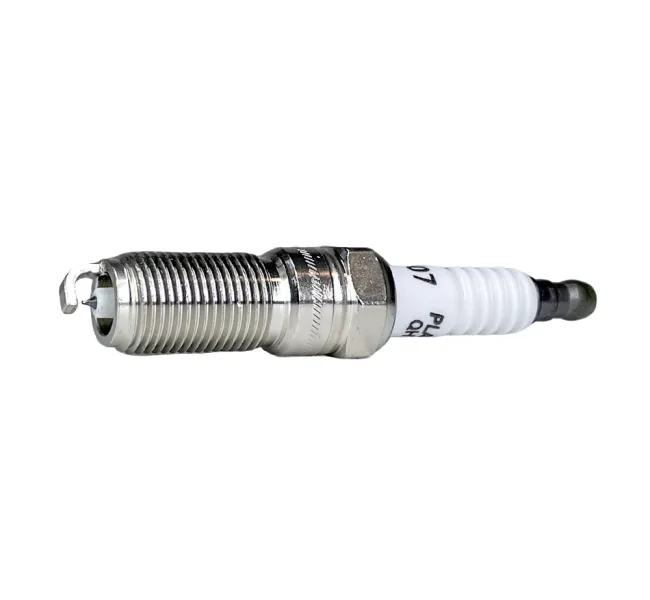
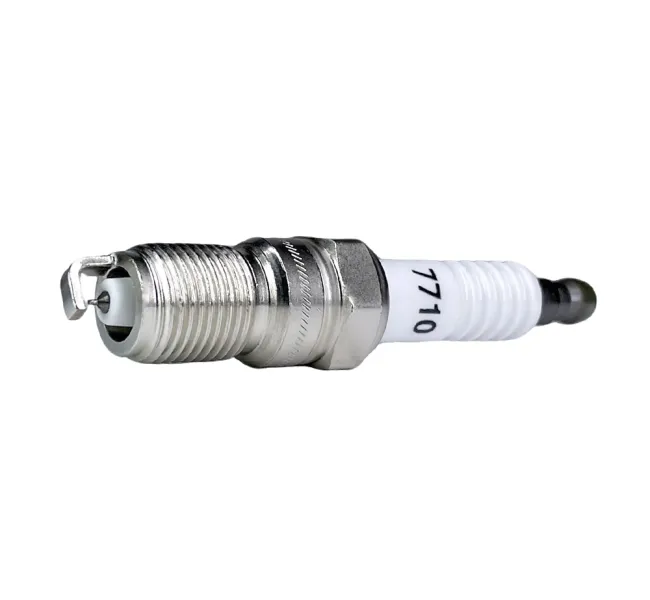
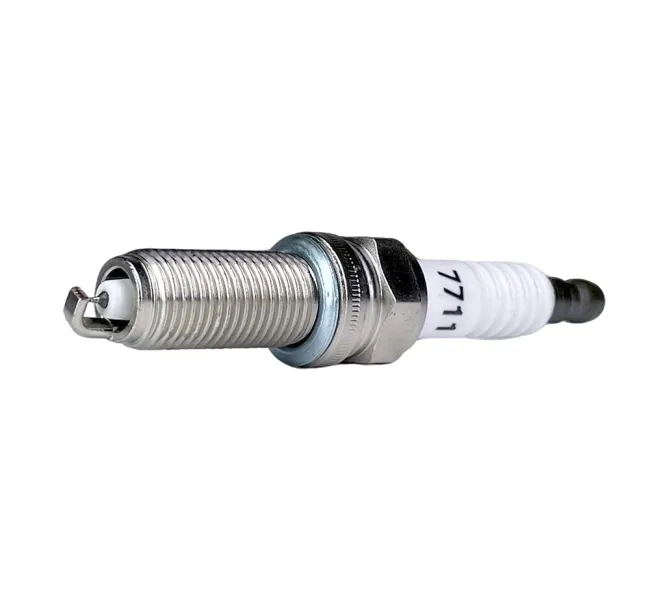
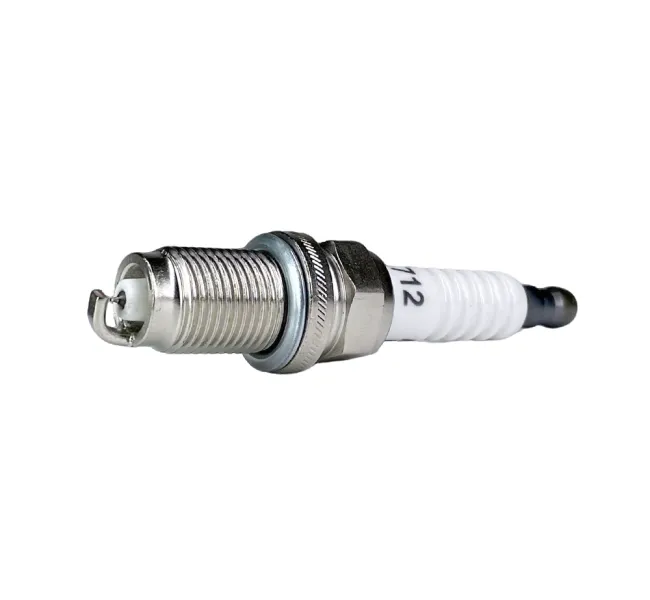
The engine spark plug is one of the most critical yet often overlooked components in any gasoline-powered vehicle. Its primary function is to deliver the electrical spark that ignites the air-fuel mixture in the engine's combustion chamber, initiating the controlled explosion that powers your vehicle. Without properly functioning spark plugs, even the most sophisticated engine cannot operate.
When the ignition coil generates high-voltage electricity—typically between 20,000 to 45,000 volts—this energy travels through the spark plug wire to the spark plug. At the precise moment determined by the engine's timing system, this high voltage jumps across the small gap between the spark plug's center and ground electrodes, creating an intense electrical arc. This spark must be strong enough, hot enough, and precisely timed to ignite the compressed fuel-air mixture, which can be under extreme pressure and temperature conditions within the combustion chamber.
The spark plug must perform this task thousands of times per minute under harsh conditions: extreme heat (up to 2,500°F at the electrode tip), high pressure, electrical stress, and constant exposure to combustion byproducts. Modern engines demand even more from their spark plugs, as tighter emissions standards, higher compression ratios, and leaner fuel mixtures require more powerful and consistent ignition performance.
Beyond simply creating a spark, quality engine spark plugs also help maintain optimal combustion efficiency, which directly impacts fuel economy, emissions output, engine smoothness, and overall performance. A properly functioning spark plug ensures complete combustion of the fuel mixture, maximizing power output while minimizing harmful emissions and unburned fuel.
The most straightforward method is to perform a spark test. Remove the spark plug from the engine while keeping it connected to the ignition wire. Ground the threaded portion of the spark plug against the engine block and have an assistant crank the engine. A healthy ignition system will produce a bright blue spark that jumps across the electrode gap. If you see a weak yellow or orange spark, or no spark at all, there's an issue with either the spark plug itself, the ignition wire, the ignition coil, or the ignition control system.
Alternatively, if you're experiencing engine misfires, you can use an inductive timing light connected to each spark plug wire while the engine is running. The timing light will flash each time that cylinder fires, confirming spark delivery. Modern vehicles equipped with onboard diagnostics (OBD-II) will often store misfire codes indicating which cylinder is not receiving proper spark.
Several symptoms indicate worn or failing spark plugs. Rough idling or engine vibration suggests uneven combustion, often caused by weak or inconsistent spark. Difficulty starting, especially in cold weather, occurs when spark plugs can no longer generate sufficient spark energy. Decreased fuel efficiency results from incomplete combustion when spark plugs deteriorate. Engine misfires—felt as hesitation, stumbling, or loss of power during acceleration—are classic signs of failing spark plugs. An illuminated check engine light accompanied by misfire codes definitively indicates spark plug problems.
Most manufacturers recommend replacing spark plugs every 30,000 to 100,000 miles, depending on the plug type. Standard copper-core plugs typically last 30,000-40,000 miles, platinum plugs extend to 60,000-80,000 miles, and iridium plugs can reach 100,000 miles or more. However, severe driving conditions, poor fuel quality, or engine problems may necessitate earlier replacement.
Visual inspection reveals much about spark plug condition and engine health. Remove the spark plugs and examine the electrode appearance. Normal plugs show light tan or gray deposits with minimal electrode wear. Black, sooty deposits indicate a rich fuel mixture or oil consumption. White or blistered electrodes suggest overheating from lean mixtures, incorrect heat range, or timing issues. Wet, oil-fouled plugs point to worn piston rings or valve seals. Excessive electrode erosion means the plug has exceeded its service life.
Physical damage such as cracked ceramic insulators, broken electrodes, or damaged threads requires immediate replacement. Using a spark plug gap gauge, measure the electrode gap—excessive gap indicates wear, while incorrect gap affects performance. Corrosion or heavy carbon buildup on electrodes prevents proper spark formation.
At Zhejiang Jiaercheng Auto Parts Co., Ltd., we provide premium engine spark plugs designed to meet or exceed OEM specifications across all vehicle applications. Our extensive product range serves Japanese, German, American, Chinese, Korean, French, and European vehicles.
Our spark plugs feature precision-engineered electrodes made from copper, platinum, or iridium alloys, selected for optimal conductivity, durability, and heat resistance. High-quality ceramic insulators withstand extreme thermal and electrical stress while preventing voltage leakage.
Every spark plug undergoes rigorous quality control including electrode gap verification, insulator integrity testing, and heat range validation. Our advanced manufacturing processes ensure consistent performance and extended service life.
We offer spark plugs with various heat ranges to match specific engine requirements. Proper heat range prevents both fouling in low-temperature conditions and pre-ignition in high-performance applications, ensuring reliable operation across all driving conditions.
Our catalog includes standard copper-core plugs for classic vehicles and economy applications, long-life platinum plugs for modern engines, and premium iridium plugs for high-performance and luxury vehicles. We provide the correct spark plug solution for virtually any gasoline engine.
Our spark plugs deliver stronger, more consistent spark energy throughout their service life, promoting complete fuel combustion, improved throttle response, smoother operation, better fuel economy, and reduced emissions.
As a specialized manufacturer of ignition system components, we offer competitive wholesale pricing, reliable inventory availability, fast order processing, and comprehensive technical support. Our commitment to quality and innovation has established us as a trusted supplier to automotive parts distributors, repair facilities, and retailers worldwide.
Whether you're stocking replacement spark plugs for routine maintenance or seeking high-performance options for demanding applications, our engine spark plug solutions deliver the reliability, performance, and value your customers expect.