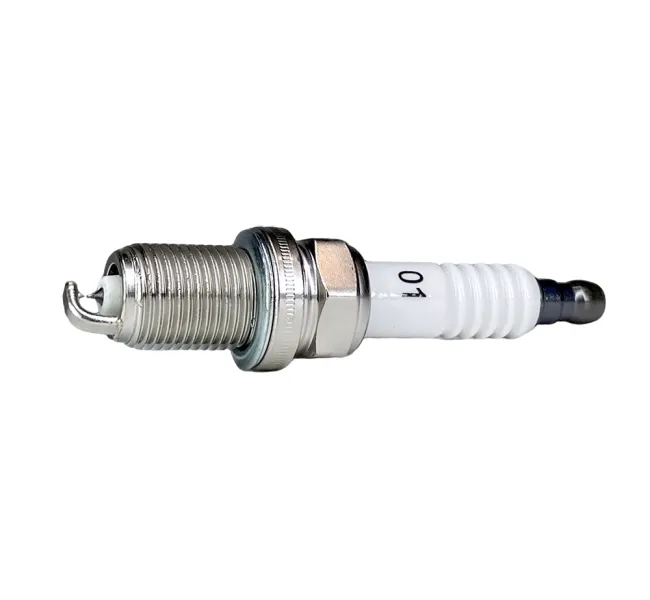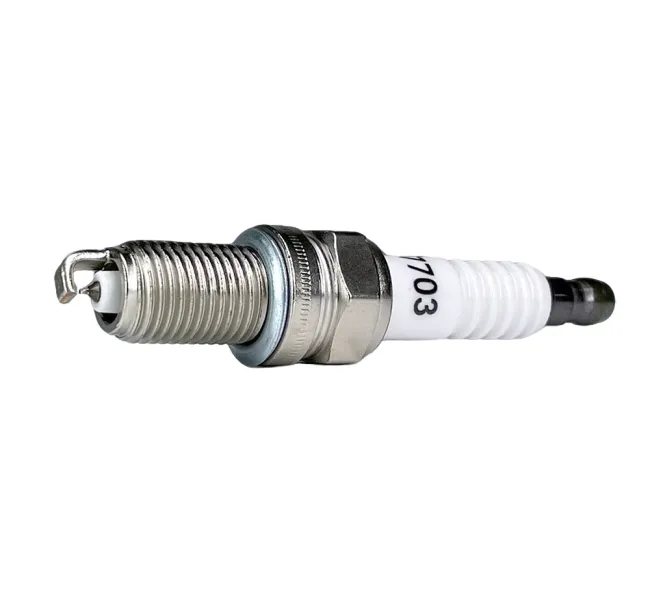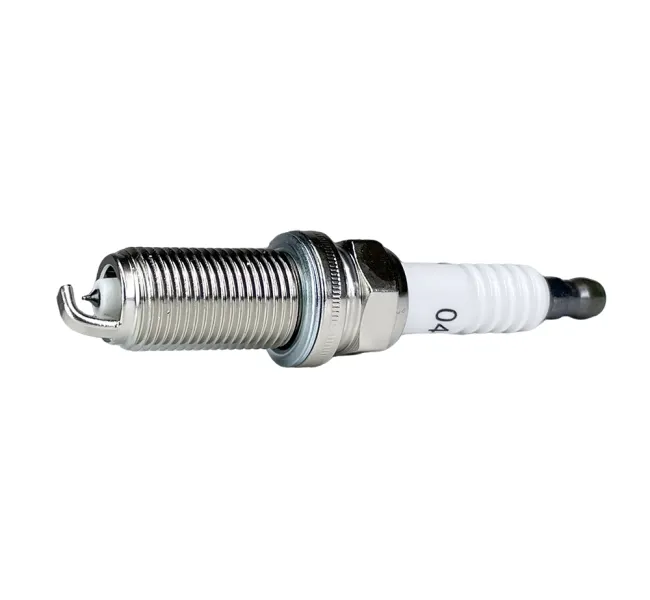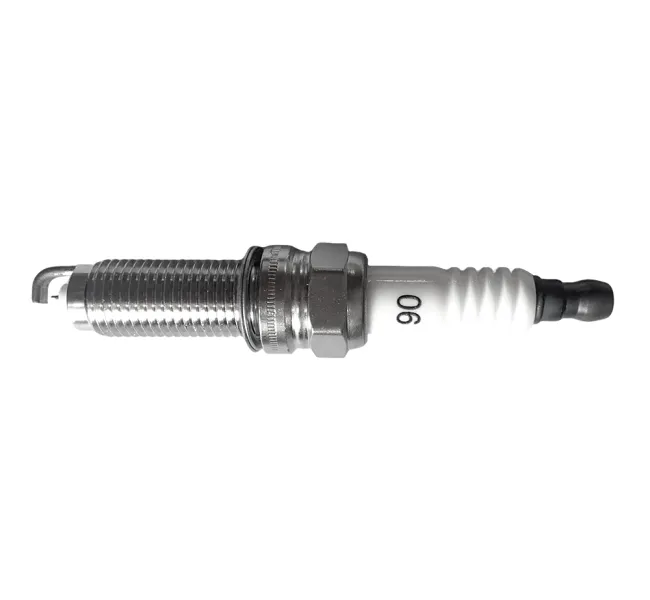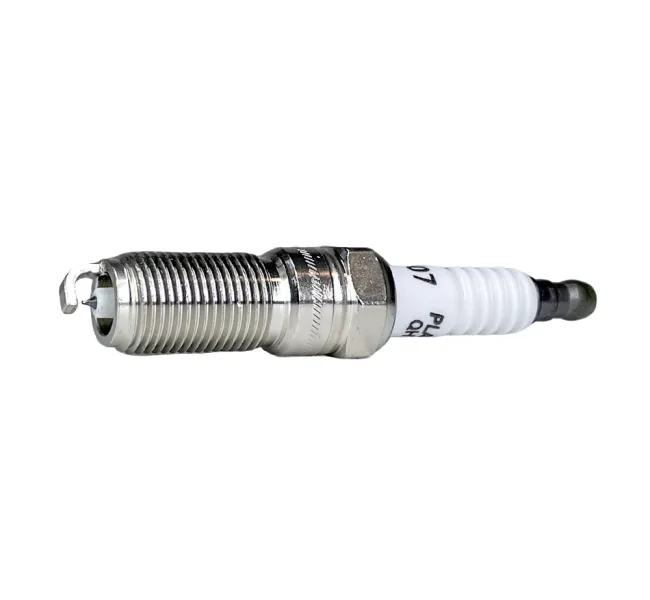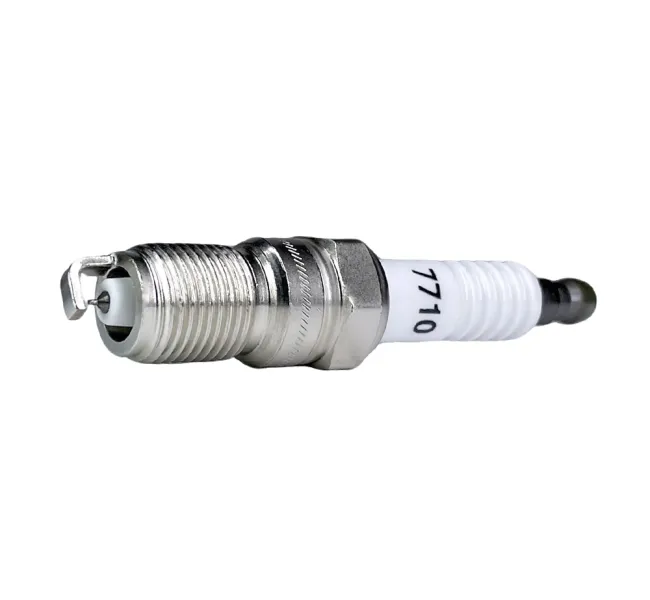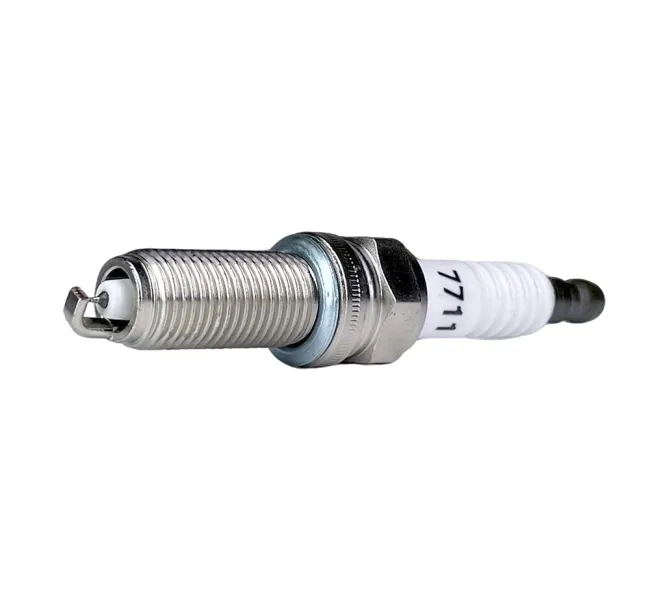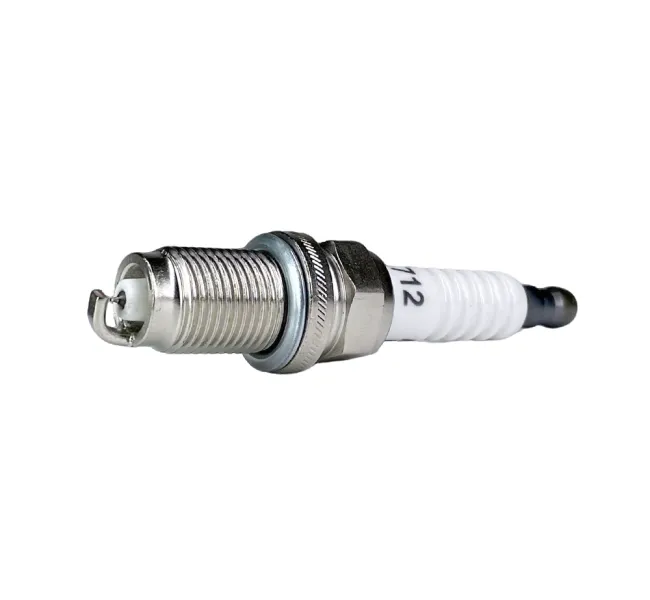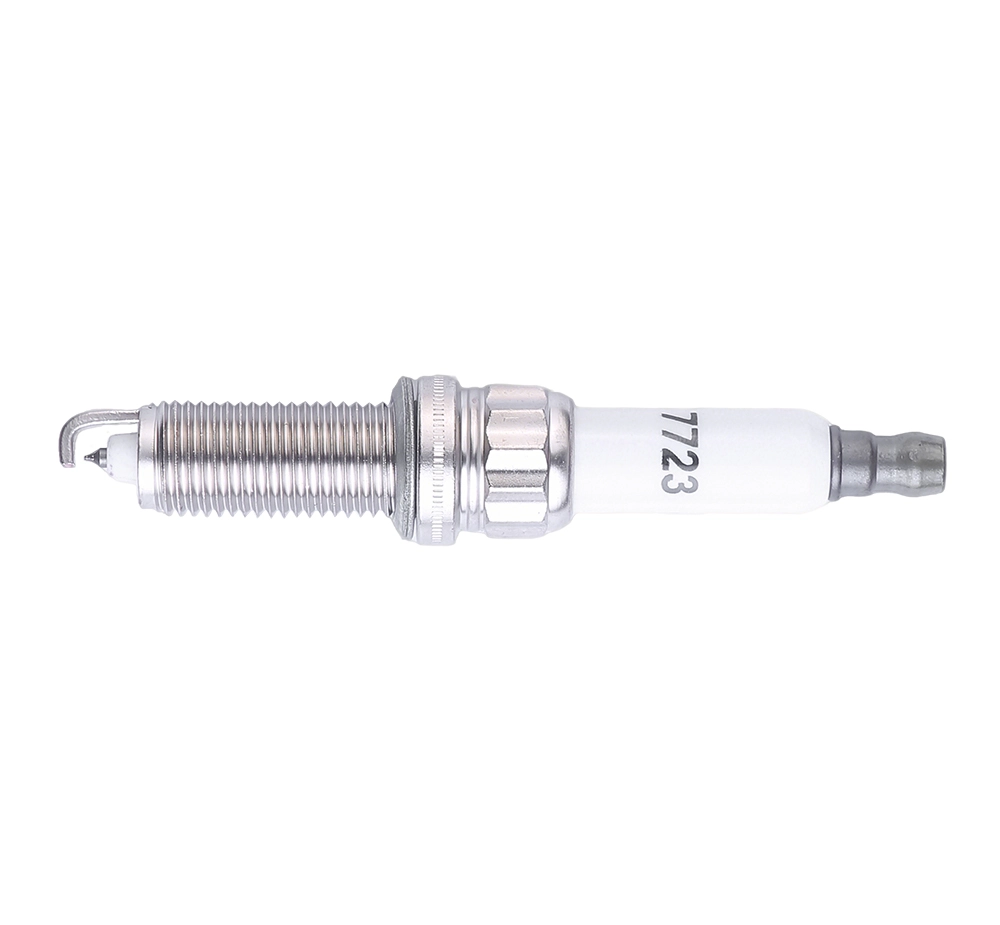
| NGK Number | NGK Model | OE Model |
| 96638 | SILZKBR8F8S | 12120054451 |
| 96987 | SILZKBR8E8S | 12120047946 |
| 97506 | SILZKBR8D8S | 12120039664 |
| 91785 |
ZKBR7A-HT Three-claw, 23rd generation |
12120037581 |
| 97299 | SILZKBR8C8S | 12120037582 |
| 1555 |
SIZKBR8A8H 23rd Generation Extended |
12120037580 |
| 12120039634 |
Modern engines demand stable ignition performance, efficient combustion, and long service life. Designed for high-performance ignition systems, these Iridium Spark Plugs provide excellent durability, faster ignition response, and improved combustion efficiency for a wide range of gasoline engines.
Compared with conventional spark plugs, iridium spark plugs use an iridium alloy center electrode with superior hardness and heat resistance. This allows the electrode to remain stable under high-temperature and high-pressure combustion conditions, helping engines maintain smoother operation and more consistent ignition performance over time.
The fine-wire iridium electrode design also helps reduce ignition voltage requirements while improving spark concentration. As a result, engines can achieve more efficient fuel combustion, improved throttle response, and reduced misfire risk under demanding driving conditions.
| Feature | Benefit |
| Iridium center electrode | Higher durability and wear resistance |
| Strong ignition performance | Faster and more stable combustion |
| High-temperature resistance | Reliable operation under extreme conditions |
| Fine-wire electrode design | Improved ignition efficiency |
| Long service life | Reduced replacement frequency |
| Stable spark generation | Smoother engine operation |
These Iridium Spark Plugs are suitable for modern passenger vehicles, high-compression engines, and performance-oriented applications that require reliable ignition stability.
The spark plug gap plays a critical role in overall engine performance because it directly affects ignition efficiency and combustion quality. The gap refers to the distance between the center electrode and the ground electrode where the electrical spark is generated.
If the gap is too small, the spark may become weak, resulting in incomplete combustion, reduced fuel efficiency, and poor acceleration. On the other hand, if the gap is too large, the ignition system may struggle to generate sufficient voltage to create a stable spark, especially under high engine loads or cold-start conditions.
Properly designed Iridium Spark Plugs help maintain stable spark gap performance due to the hardness and durability of iridium materials. This stability supports consistent ignition timing, smoother engine operation, and improved combustion efficiency over longer service intervals. Accurate spark plug gap control is particularly important in modern engines equipped with electronic fuel injection and advanced ignition management systems.
These iridium spark plugs are engineered to support efficient combustion and reliable ignition in modern automotive engines. Their advanced electrode structure helps reduce ignition energy loss while improving spark stability across different operating conditions.
In addition to enhancing combustion efficiency, the plugs also contribute to lower fuel consumption and reduced exhaust emissions by supporting more complete fuel burning inside the combustion chamber.
Built with durable materials and precision manufacturing, these Iridium Spark Plugs provide long-lasting ignition performance suitable for daily driving, high-speed operation, and demanding engine environments.
| Application | Auto Engine Parts |
| size | OEM Standard |
| Warranty | Two year or 50,000 km |
| Application | Auto Ignition System |
| Quality | 100% Professional Test |
| MOQ | 50 Pcs |
| Packing | Neutral Packaging or Customized box |
| Color | Picture Showing |
| Delivery time | 10-50 Days,usually depends on the quantity |
| Package | Neutral Packaging |
| Specifications: | |||
| Item Description: | Ignition Coil,Auto Ignition Coil | OEM No.: | New |
| Material: | Plastics & Metal&Copper | Condition: | |
| Pins: | Color | Picture Showing | |
| Warranty: | 2-years / 50,0000 kilometers | Car Fit: | For Cars |
| MOQ: | 100 | Size: | OEM Standard |
| Stocks: | Yes | Quanlity: | Excellent |
| Shipping Terms: | DHL,EMS,TNT,UPS,as your requirements | Payment Terms: | Western Union, T/T,L/C |
| Packing Details: | Neutral Packaging or Customized box | Delivery Time: | 20-40 days after order, usually depends on the quantity |