| NGK Number | NGK Model | OE Model | NGK Number | NGK Model |
| 1159 | BKR5EIX | 101905611A | 4589 | IFR6T11 |
| 1313 | FR5EI | 101905621 | 4364 | PFR7G |
| 2272/6418 | BKR6EIX | 9807B-5615W | 4793 | PFR6G |
| 2300 | PFR5B-11 | 9807B-5617C | 4996 | IFR5T11 |
| 2487 | PFR5C-11 | 0002345906 | 2215 | BKR6EP8 |
| 2647 | PFR5G-11 | 9807B-5617W | 5344 | IFR6D10 |
| 2687 | FR6EI | 9807B-5615W | 5368 | IFR6B11 |
| 2743 | PFR6J-11 | 9807B-561BW | 3667 | BCPR6EIX-11 |
| 0127 | SIFR6A11 | 267700-0910 | 5547 | PFR6W-TG |
| 3184/5464 | BKR5EIX-11 | 9807B-561CW | 3500 | PFR6B |
| 4272/3764 | BKR6EIX-11 | 1822A002 | 5555 | PFR6G-11 |
| 4377 | PFR6G-9 | 5757 | PFR6X-11 | |
| 4867 | IFR6B-K | 5838 | PFR5N-11 | |
| 4642 | PFR5J11 | 6740 | PFR6W-T | |
| 4292 | PFR5R-11 | 6741 | IFR6E11 | |
| 3185 | BCPR5EIX-11 | 9331 | PFR6Y | |
| 3184 | BKR5EIX-11P | 99404 | IFR6S | |
| 2574 | BKR6EIX-11P |
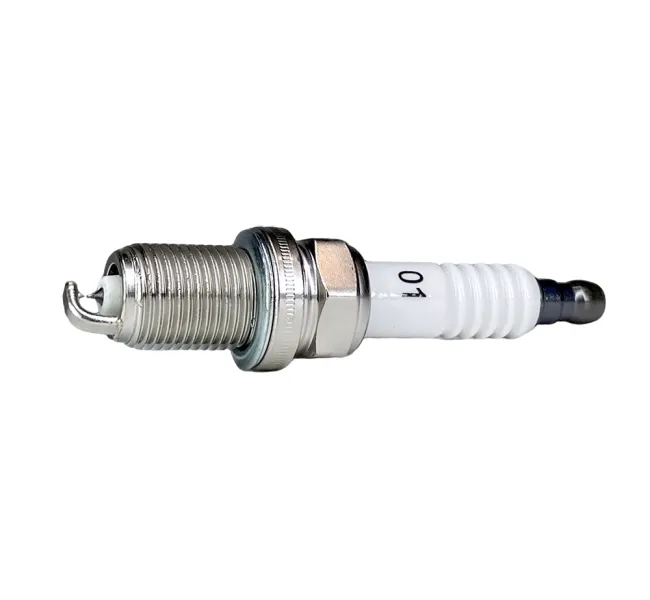
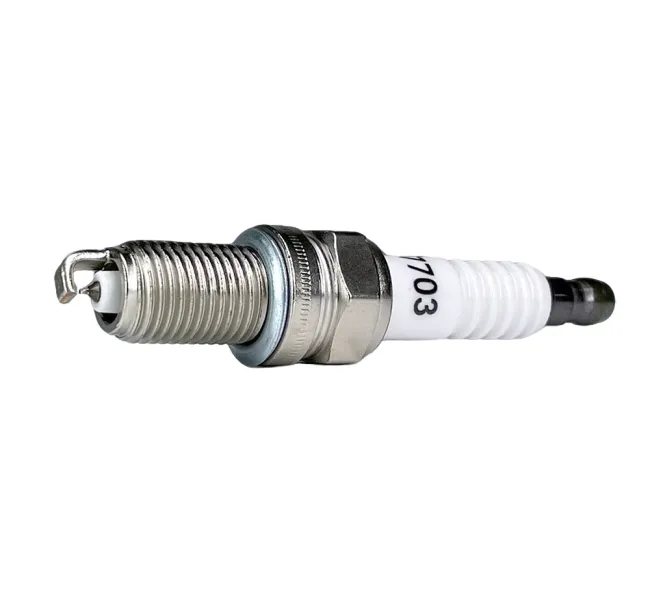
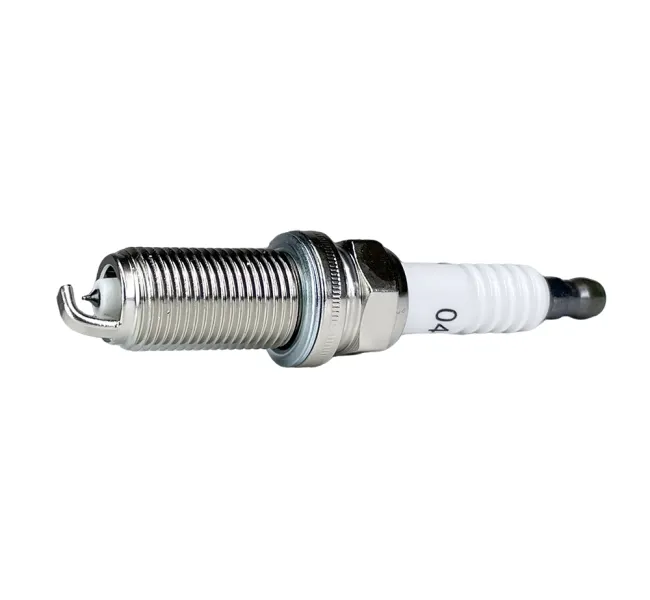
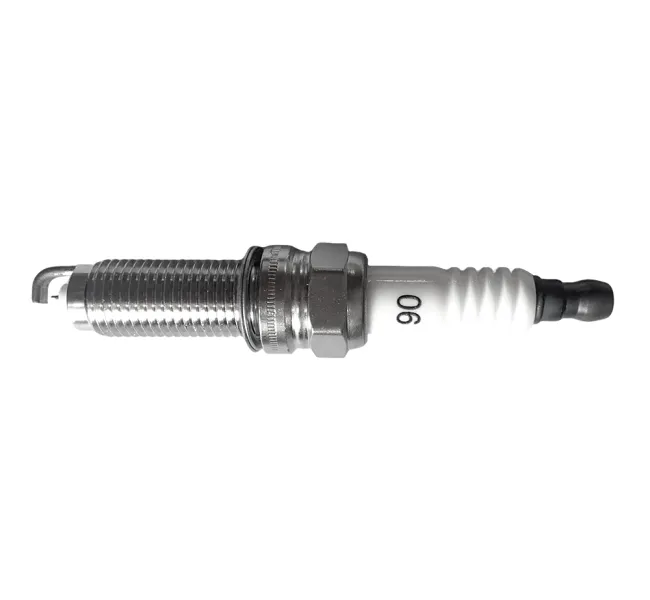
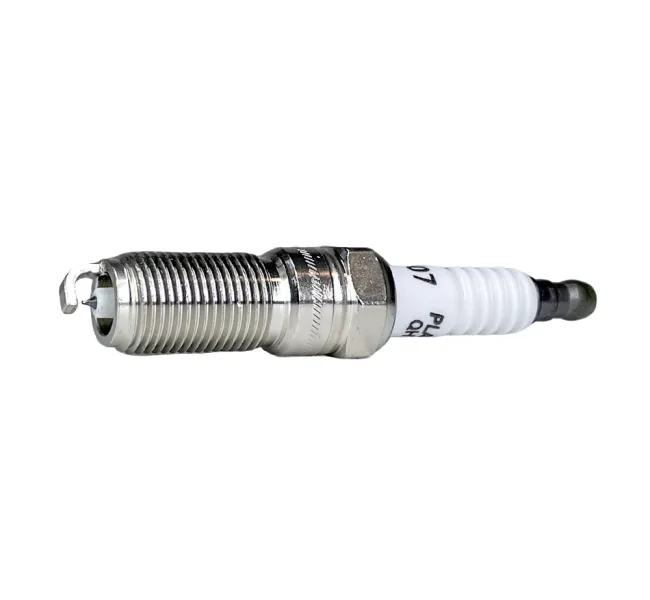
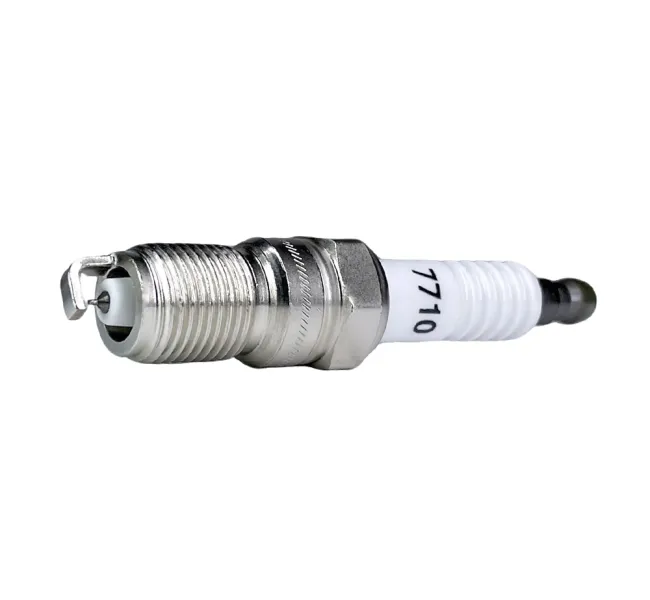
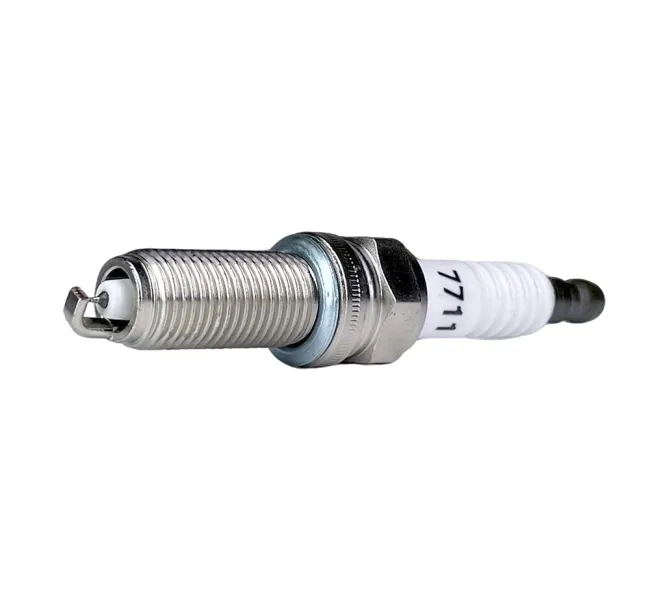
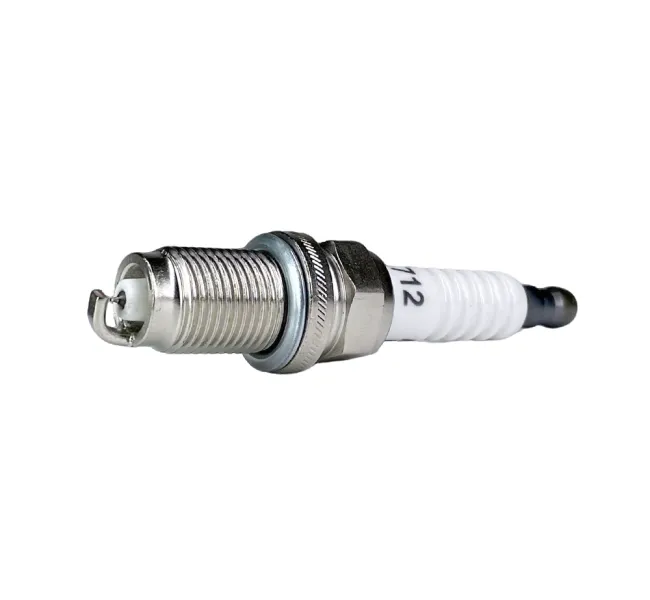
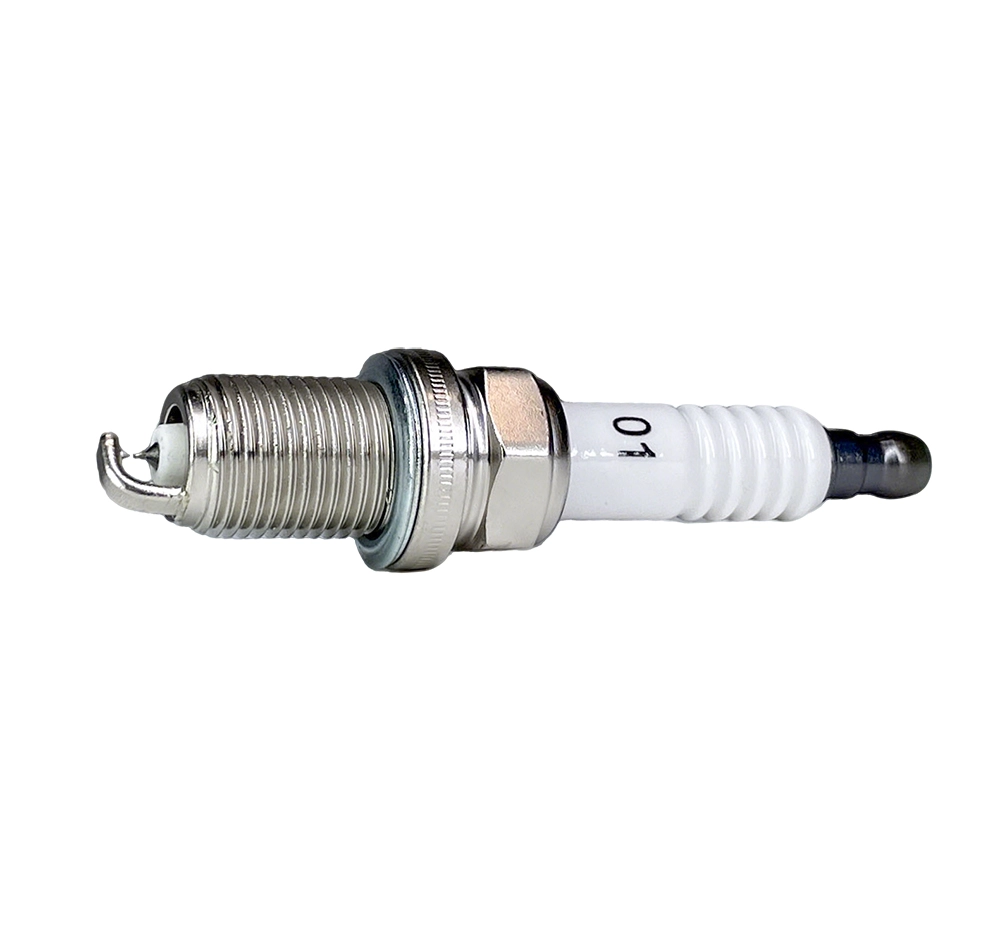
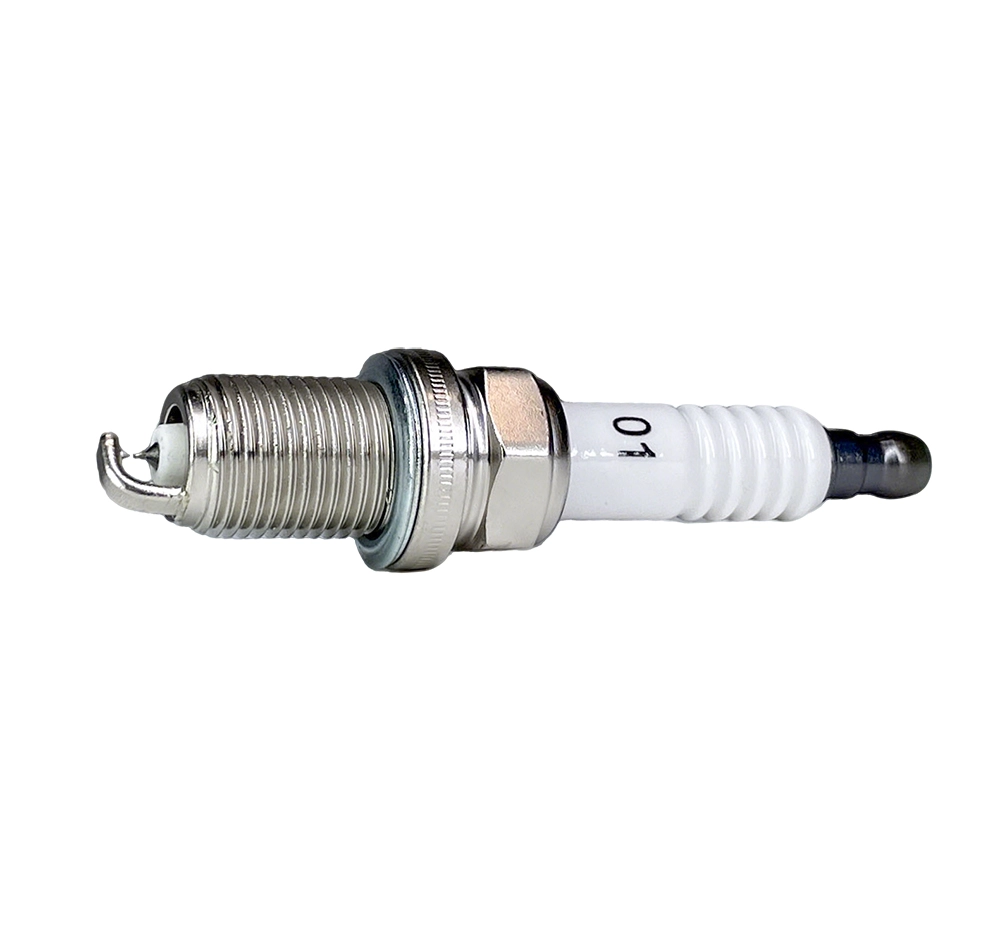
Reliable engine ignition begins with a high-quality spark plug. The 7701 Car Spark Plug is designed to deliver stable ignition performance, efficient combustion, and dependable durability for various automotive applications. Engineered with precision materials and optimized electrode design, this spark plug helps improve starting performance, combustion efficiency, and overall engine stability under different driving conditions.
Its durable construction supports consistent spark generation while resisting wear caused by heat, pressure, and carbon buildup. The spark plug is suitable for engines that require reliable ignition under both daily driving and demanding operating environments. Features such as corrosion-resistant threads, strong insulation performance, and stable conductivity contribute to long-term operational reliability. Similar spark plug designs are commonly valued for stable ignition energy and resistance to fouling in automotive systems.
A car spark plug plays a critical role in the combustion process of a gasoline engine. Its primary function is to generate an electric spark that ignites the compressed air-fuel mixture inside the combustion chamber. This ignition creates the controlled explosion that powers the engine and drives the vehicle forward.
The car spark plug must operate under extremely high temperatures and pressures while maintaining precise ignition timing. If the spark is weak or unstable, the engine may experience misfires, rough idling, poor acceleration, or increased fuel consumption. A properly functioning spark plug helps ensure efficient combustion, smoother engine performance, and reliable engine starting.
Modern spark plugs are also designed to improve ignition efficiency by reducing voltage loss and resisting carbon deposits. Features such as durable electrodes, ceramic insulation, and anti-corrosion coatings help extend service life and maintain stable ignition performance over time. High-quality spark plugs are especially important for maintaining fuel economy and reducing emissions in modern engines.
The 7701 Car Spark Plug is designed to provide consistent spark energy for smoother combustion and improved engine responsiveness.
Its wear-resistant electrode materials help maintain reliable ignition performance during long-term engine operation.
Efficient spark generation contributes to more complete fuel combustion, helping improve fuel utilization and engine stability.
The car spark plug is engineered to withstand high-temperature combustion environments while maintaining structural integrity.
Stable ignition characteristics help support faster cold starts and more dependable engine operation under varying conditions.
The 7701 Spark Plug can be used in a range of gasoline engine systems where reliable ignition and combustion efficiency are essential. It is suitable for automotive maintenance, replacement applications, and engines requiring stable spark performance for daily driving or demanding operating conditions.
| Application | Auto Engine Parts |
| size | OEM Standard |
| Warranty | Two year or 50,000 km |
| Application | Auto Ignition System |
| Quality | 100% Professional Test |
| MOQ | 50 Pcs |
| Packing | Neutral Packaging or Customized box |
| Color | Picture Showing |
| Delivery time | 10-50 Days,usually depends on the quantity |
| Package | Neutral Packaging |
| Specifications: | |||
| Item Description: | Ignition Coil,Auto Ignition Coil | OEM No.: | New |
| Material: | Plastics & Metal&Copper | Condition: | |
| Pins: | Color | Picture Showing | |
| Warranty: | 2-years / 50,0000 kilometers | Car Fit: | For Cars |
| MOQ: | 100 | Size: | OEM Standard |
| Stocks: | Yes | Quanlity: | Excellent |
| Shipping Terms: | DHL,EMS,TNT,UPS,as your requirements | Payment Terms: | Western Union, T/T,L/C |
| Packing Details: | Neutral Packaging or Customized box | Delivery Time: | 20-40 days after order, usually depends on the quantity |