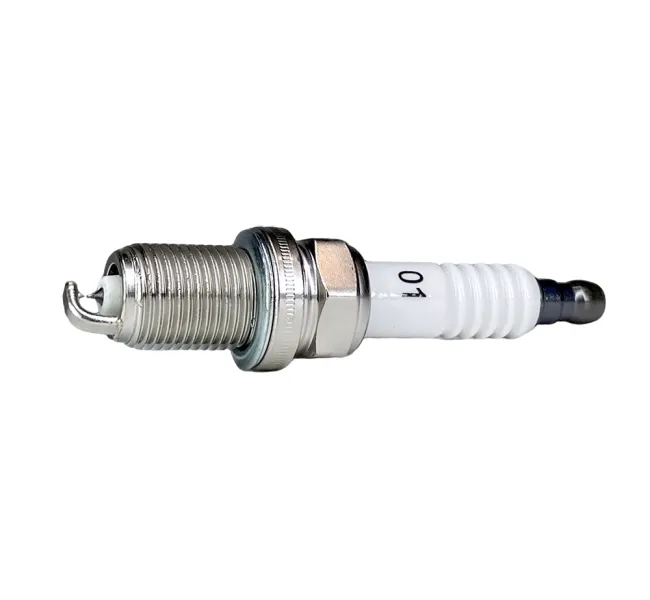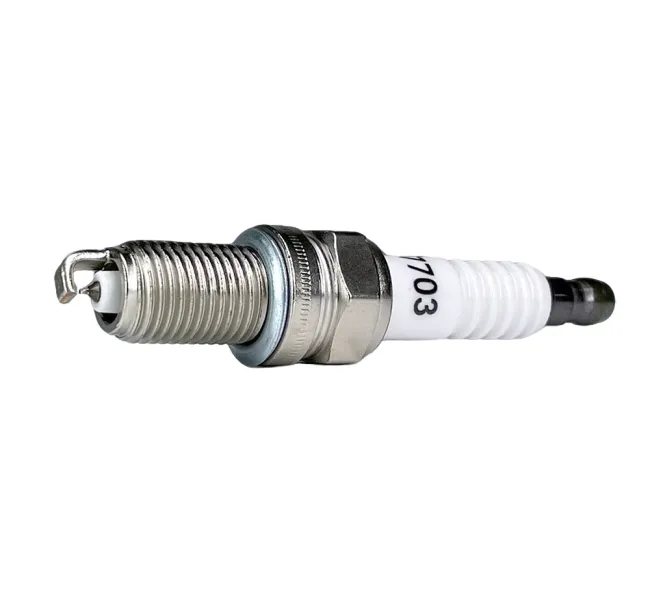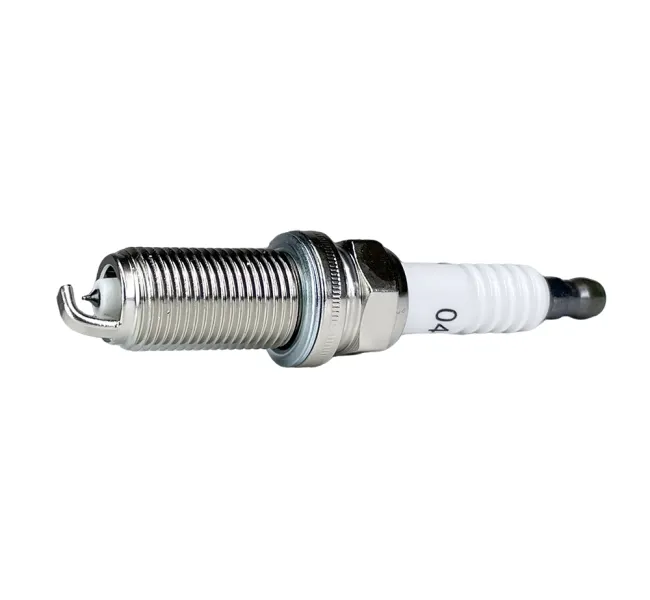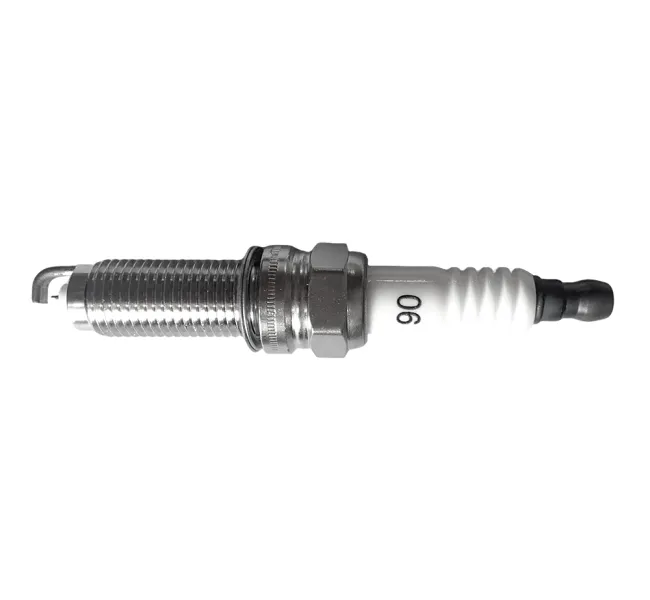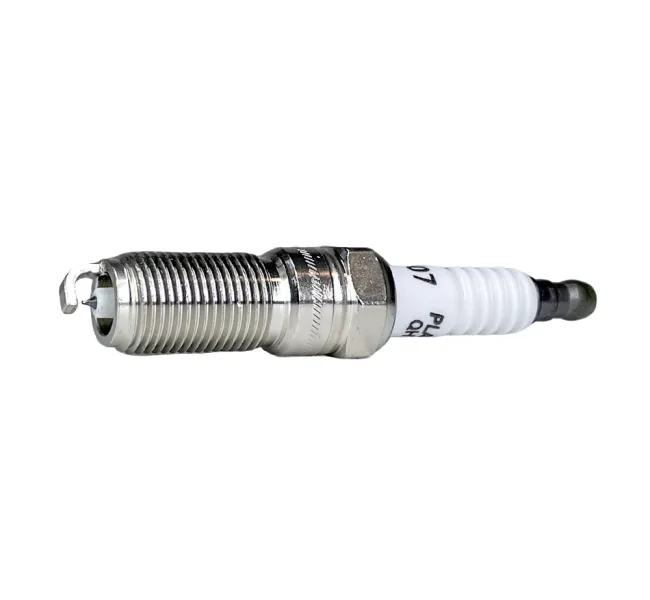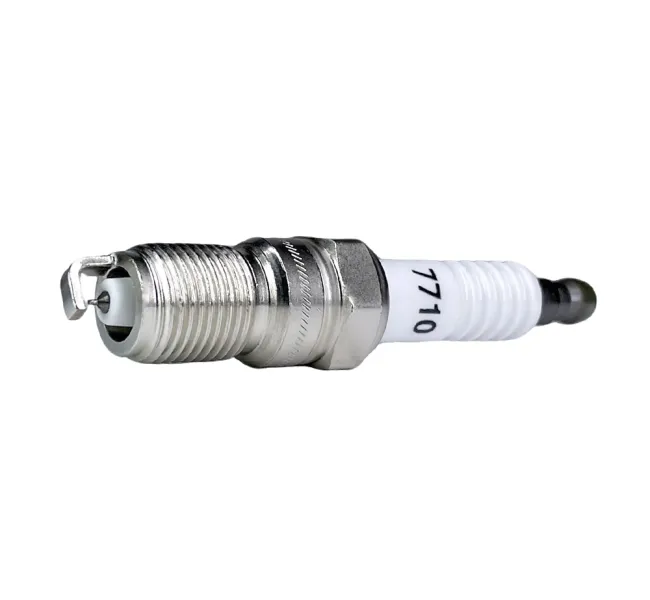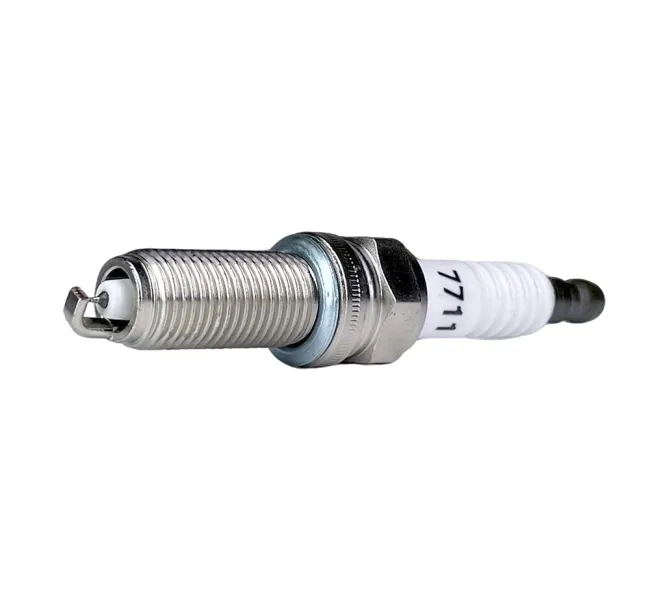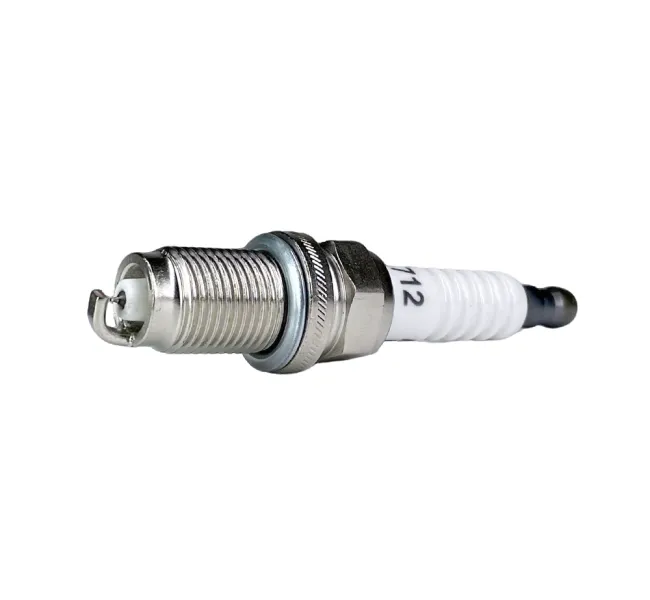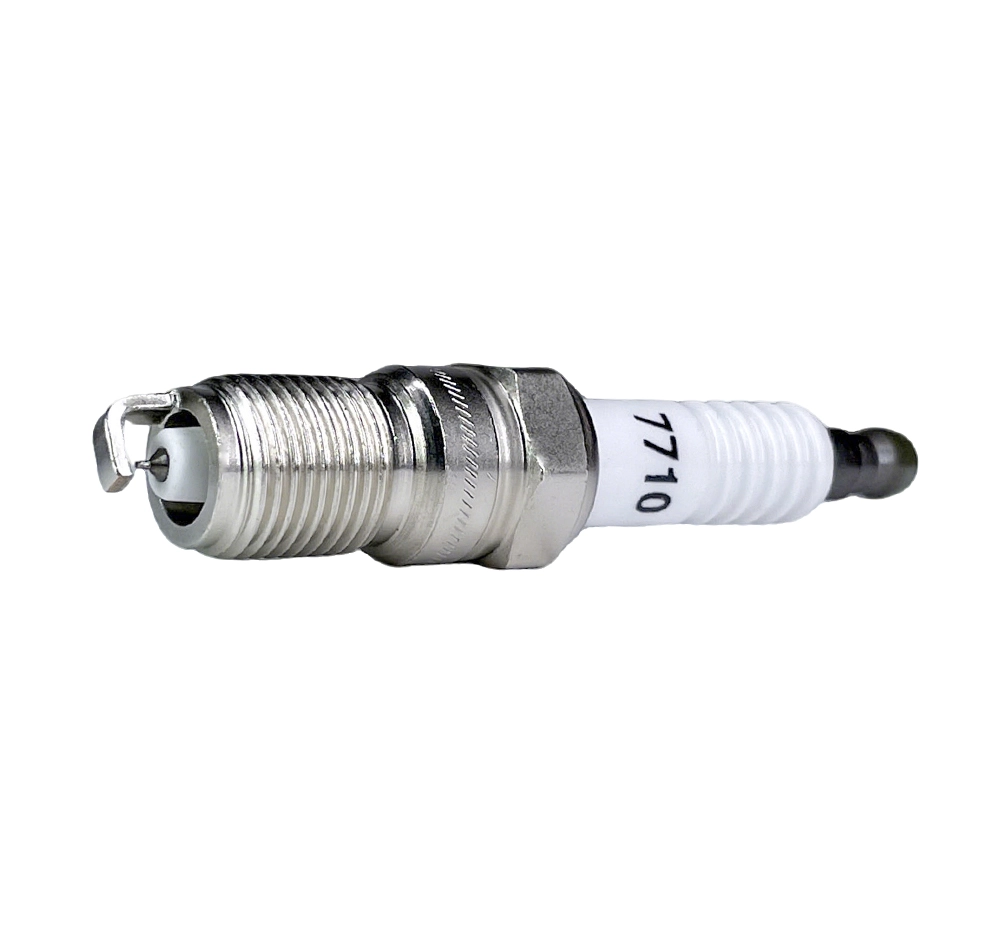
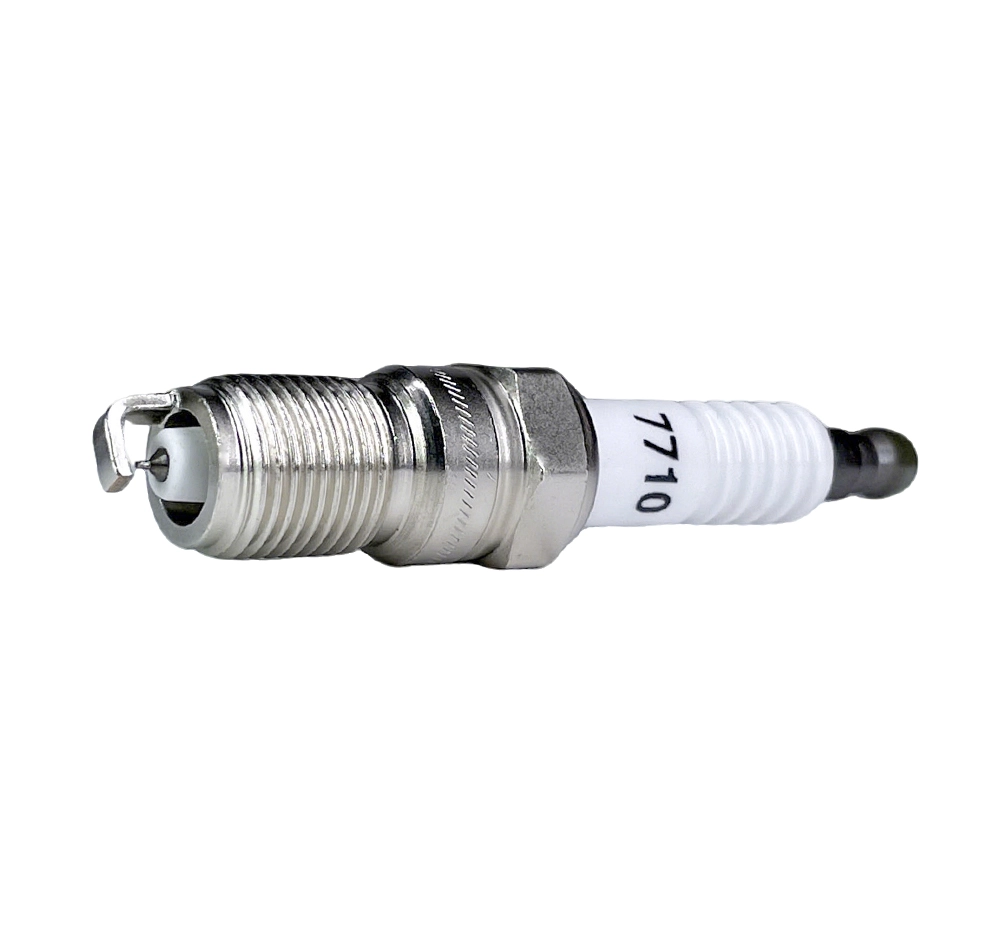
| NGK Number | NGK Model |
| 3689 | TR6IX |
| 4477 | ITR6F13 |
| 5599 | ITR4A15 |
| 94658 | BPR6EFIX-10 |
| 7397 | TR5IX |
| 7164 | TR55IX |
| 1465 | IZTR5B-11 |
| 6989/5598 | PTR6D-13G |
| 7862 | PZTR5A-15 |
Modern engines rely on stable ignition systems to achieve efficient combustion, smooth acceleration, and reliable starting performance. As one of the most important ignition components, Ignition Spark Plugs are responsible for creating the electric spark that ignites the compressed air-fuel mixture inside the combustion chamber. A high-quality spark plug not only improves combustion efficiency but also helps reduce fuel consumption, emissions, and engine misfires.
Designed for durability and stable electrical conductivity, these Ignition Spark Plugs feature a precision-engineered structure that supports consistent ignition performance under demanding operating conditions. The insulated ceramic body offers excellent thermal resistance, while the metal shell and electrode design help maintain spark stability during continuous engine operation.
These Ignition Spark Plugs are manufactured to provide dependable ignition performance across a wide range of gasoline engines. Their optimized electrode structure supports efficient spark generation and combustion consistency.
▶ Stable high-voltage ignition performance
▶ Improved combustion efficiency
▶ Reliable cold-start capability
▶ Enhanced resistance to heat and vibration
▶ Reduced risk of engine misfires
▶ Durable construction for longer service life
▶ Strong compatibility with modern ignition systems
The compact and durable design also helps maintain reliable operation in high-temperature engine environments where ignition stability is critical.
Unlike ordinary ignition components, modern Ignition Spark Plugs are designed to operate under increasingly demanding engine conditions. Contemporary engines require faster ignition response, higher combustion efficiency, and more precise spark timing than older engine systems. To meet these requirements, advanced spark plugs use improved electrode materials, optimized spark gap structures, and high-strength ceramic insulation.
One major difference is their ability to maintain stable spark performance under high temperatures and pressure conditions. High-quality Ignition Spark Plugs can improve combustion consistency while reducing voltage loss and ignition interruption. Their engineered structure also helps resist carbon buildup, vibration damage, and thermal stress during long-term operation.
Compared with lower-grade spark plugs, precision-manufactured ignition spark plugs contribute to smoother acceleration, better fuel economy, reduced emissions, and improved engine reliability. These advantages make them increasingly important in modern automotive ignition systems.
These Ignition Spark Plugs are suitable for various gasoline-powered vehicles and ignition systems, including:
▶ Passenger cars
▶ Light commercial vehicles
▶ Performance engines
▶ Small gasoline engines
▶ Automotive aftermarket replacement applications
Their reliable ignition capability makes them suitable for both daily driving and demanding operating environments.
As engine technologies continue to evolve, the performance requirements for ignition systems are becoming increasingly strict. High-quality Ignition Spark Plugs play a critical role in maintaining efficient combustion, engine stability, and long-term reliability. With durable materials, precise manufacturing, and stable ignition performance, these spark plugs provide an effective solution for modern automotive applications.
| Application | Auto Engine Parts |
| size | OEM Standard |
| Warranty | Two year or 50,000 km |
| Application | Auto Ignition System |
| Quality | 100% Professional Test |
| MOQ | 50 Pcs |
| Packing | Neutral Packaging or Customized box |
| Color | Picture Showing |
| Delivery time | 10-50 Days,usually depends on the quantity |
| Package | Neutral Packaging |
| Specifications: | |||
| Item Description: | Ignition Coil,Auto Ignition Coil | OEM No.: | New |
| Material: | Plastics & Metal&Copper | Condition: | |
| Pins: | Color | Picture Showing | |
| Warranty: | 2-years / 50,0000 kilometers | Car Fit: | For Cars |
| MOQ: | 100 | Size: | OEM Standard |
| Stocks: | Yes | Quanlity: | Excellent |
| Shipping Terms: | DHL,EMS,TNT,UPS,as your requirements | Payment Terms: | Western Union, T/T,L/C |
| Packing Details: | Neutral Packaging or Customized box | Delivery Time: | 20-40 days after order, usually depends on the quantity |