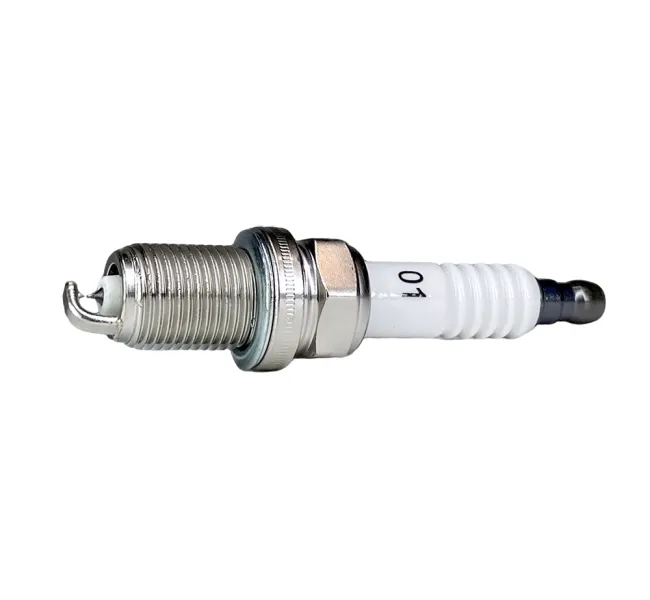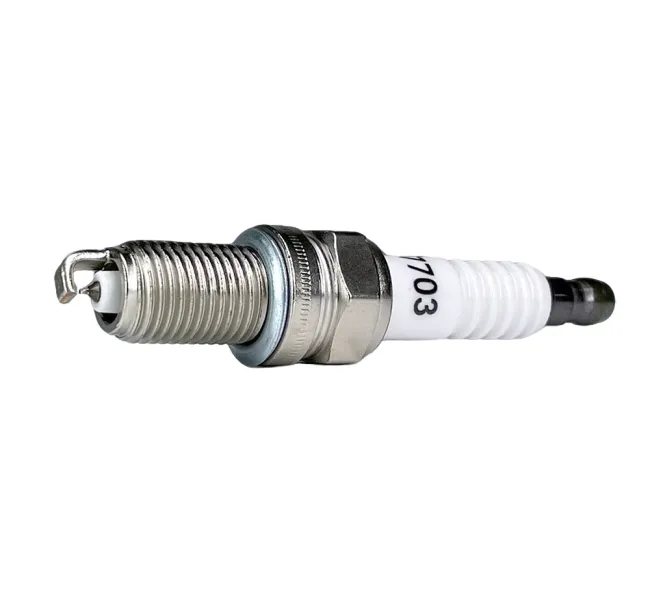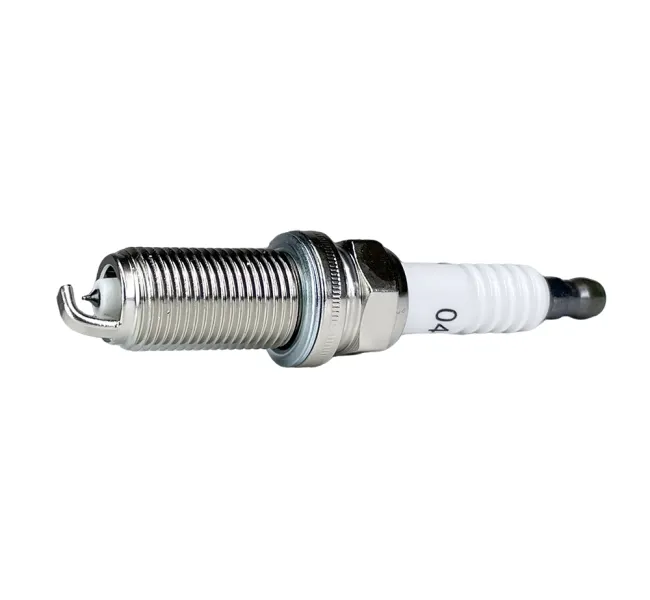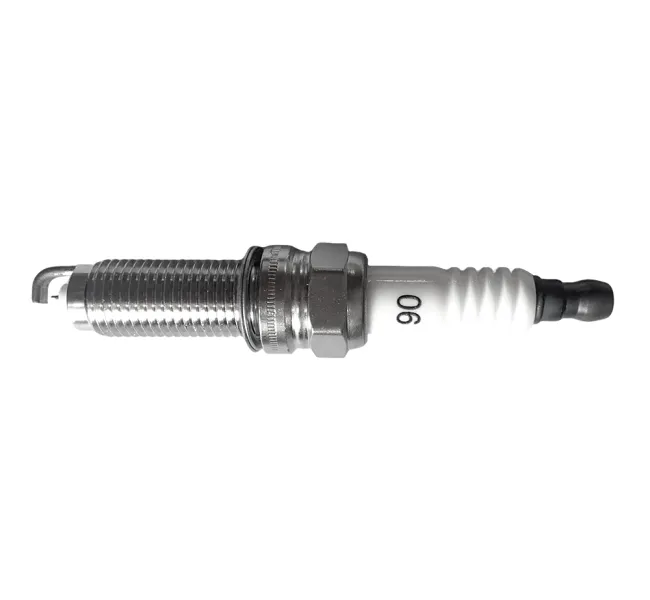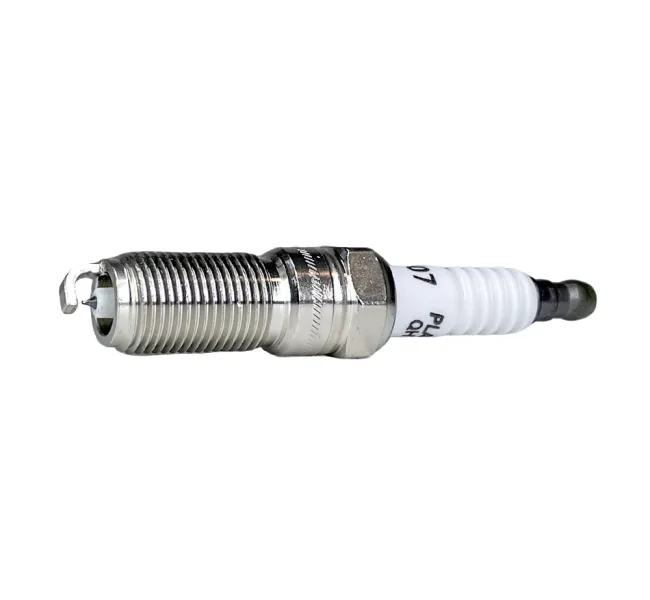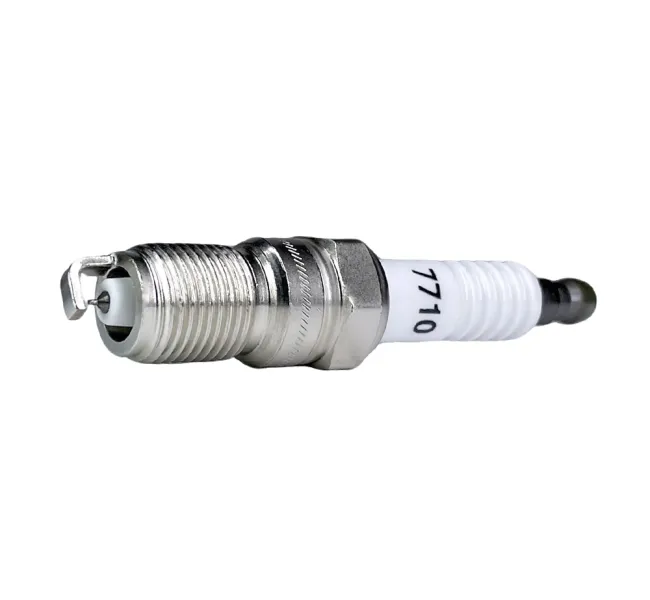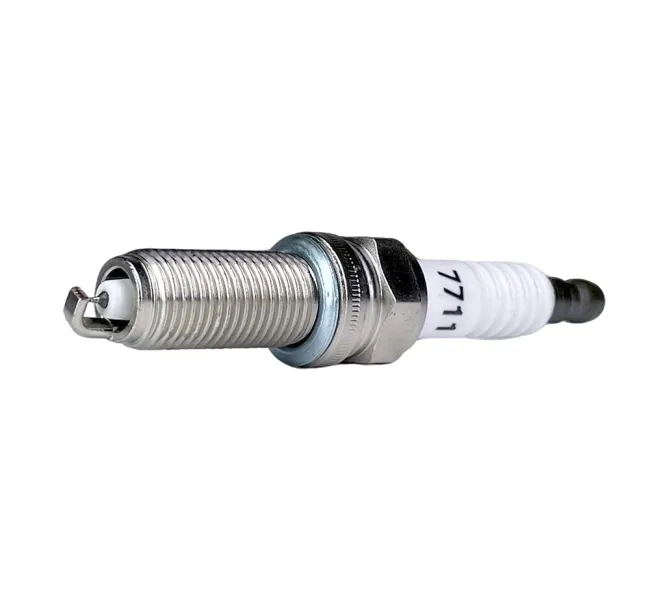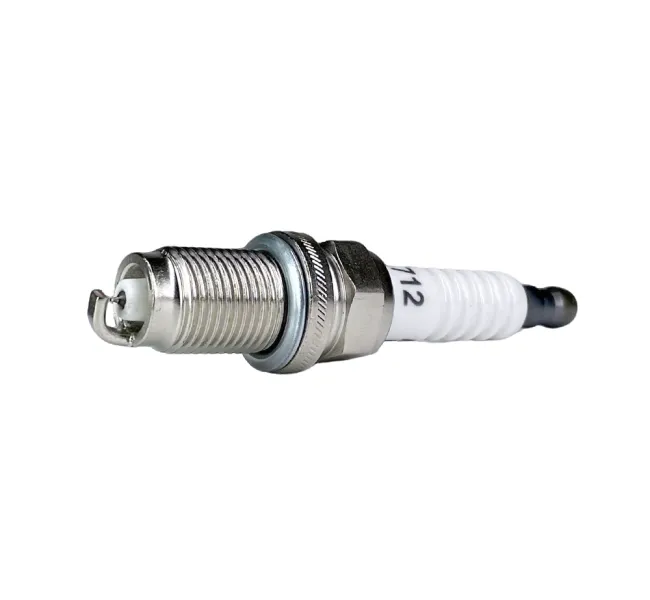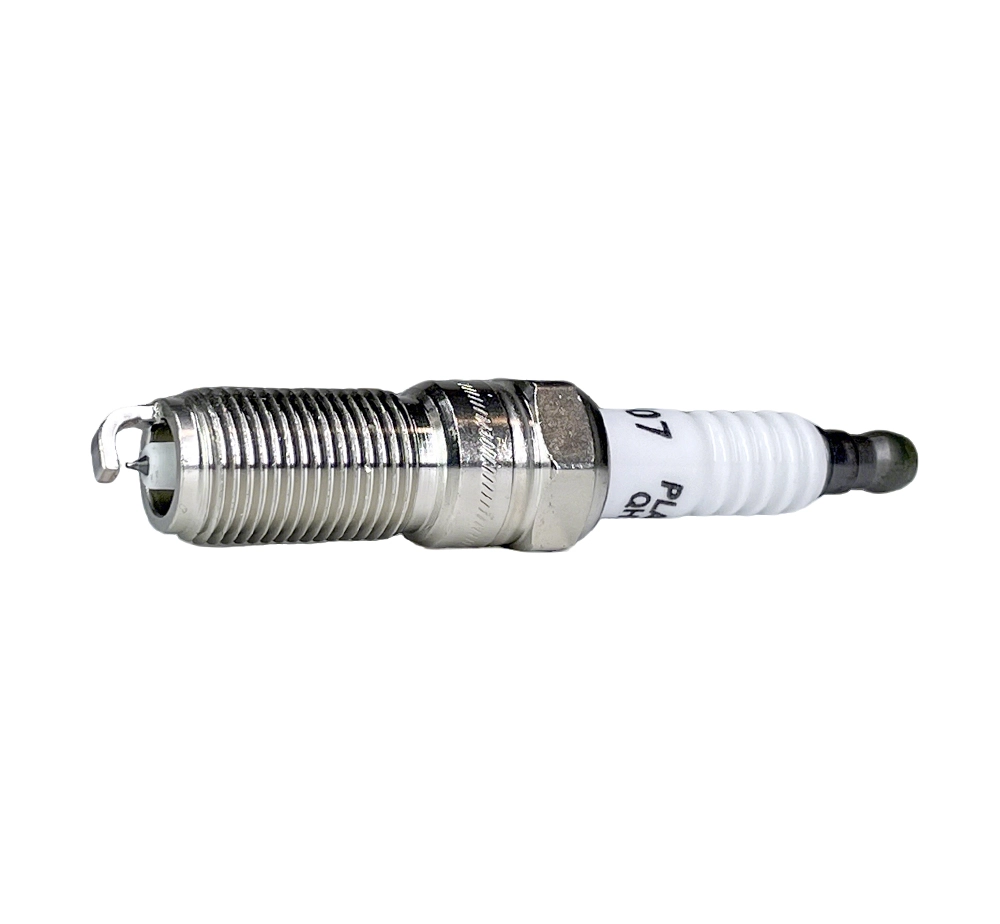
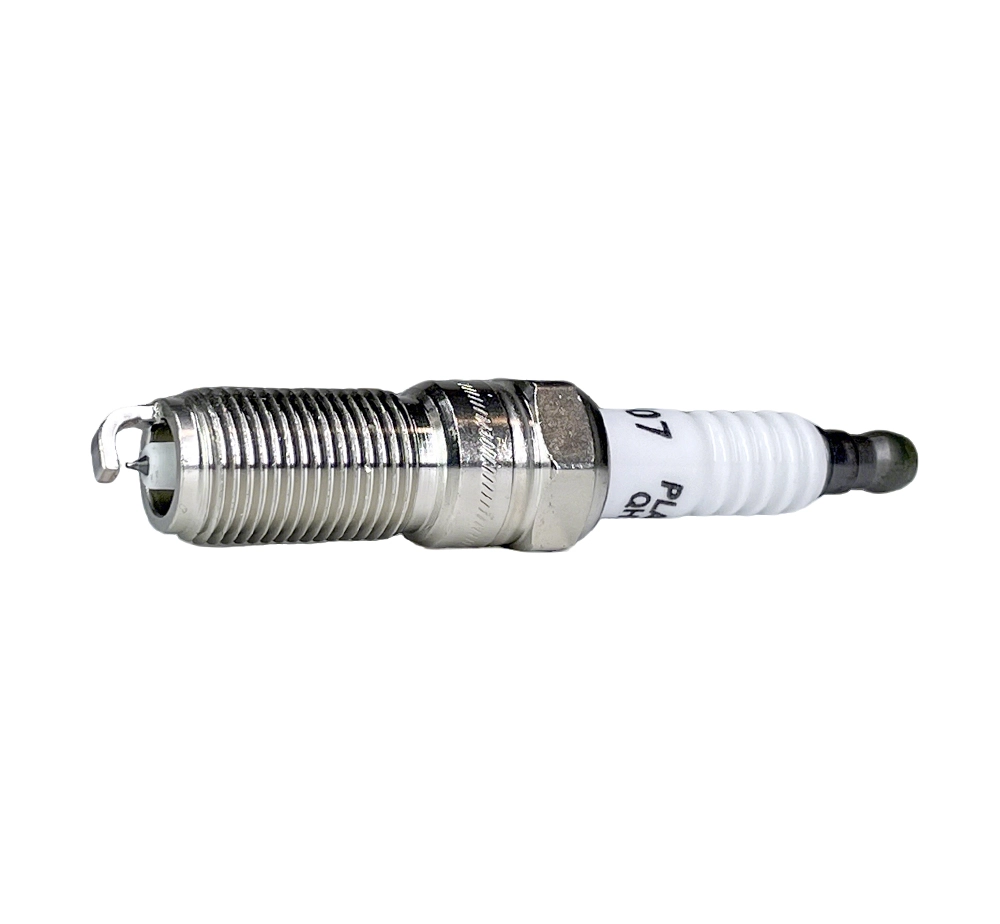
| NGK Number | NGK Model | NGK Number | NGK Model |
| 2467 | PTR5A-13 | 3474 | ILTR5B11 |
| 5055 | PTR5A-10 | 90607 | ILTR5K13 |
| 3587 | PLTR6A-10G | 92182 | LTR6BI-9 |
| 3811 | ILTR5A-13G | 97773 | LTR6EP10 |
| 4998 | PLZTR5A-13 | 93330 | ILTR5E11 |
| 2314 | LZTR5AIX-13 | 94202 | ILTR6J11 |
| 3787 | ILTR6A-8G | 95927 | ILTR6S8 |
| 5476 | ILTR5D | 93594 | LTR6GI-8 |
| 6509 | LTR6IX-11 | 94610 | ILTR6J8 |
| 94374 | LTR6IX | 94806 | LTR6BP13 |
| 90083 | LTR5BI-13 | 95734 | LTR6AI-8 |
| 90117 | ILTR6E11 | 96329 | ILTR5L11 |
| 4344 | LTR5IX-11 | 96780 | LTR6AI-9 |
Modern engines rely on stable ignition systems to deliver smooth acceleration, fuel efficiency, and reliable combustion. High-quality Spark Plugs For Car applications play a critical role in igniting the air-fuel mixture inside the combustion chamber, directly affecting engine performance and driving stability.
Designed for durability and efficient spark generation, these spark plugs are suitable for a wide range of passenger vehicles and modern gasoline engines. Advanced electrode materials and precision manufacturing help ensure consistent ignition under both daily driving and demanding operating conditions.
These spark plugs are engineered to provide stable ignition performance and long service life. Their optimized electrode structure helps improve combustion efficiency while reducing the risk of ignition failure.
| Feature | Advantage |
| High ignition efficiency | Faster and more stable combustion |
| Durable electrode materials | Extended service life |
| Anti-corrosion coating | Improved resistance to harsh environments |
| Stable spark performance | Reduced engine misfire risk |
| Heat-resistant construction | Reliable operation at high temperatures |
| Precision manufacturing | Consistent engine performance |
Modern spark plug technologies such as iridium and platinum electrodes are widely used because of their high melting points and improved durability. Fine-wire electrode designs can also improve ignitability and throttle response while supporting fuel efficiency.
Spark plugs are available in several main types, each designed for different engine requirements and performance expectations. The most common type is the copper spark plug , known for good conductivity and affordability, although it generally has a shorter lifespan. Nickel and copper-core plugs are often used in standard replacement applications.
Platinum spark plugs offer improved durability and wear resistance compared with conventional copper designs. They are commonly used in modern vehicles requiring longer maintenance intervals.
Iridium spark plugs are considered one of the most advanced options due to their extremely high melting point and excellent ignition stability. Fine iridium electrodes can help improve acceleration, combustion efficiency, and long-term reliability in high-performance engines.
There are also specialized spark plugs designed for turbocharged engines, high-compression applications, and performance vehicles where ignition precision becomes increasingly important.
High-quality Spark Plugs For Car applications contribute directly to smoother engine operation and better combustion control. Stable ignition helps reduce incomplete fuel burning, improve starting performance, and maintain efficient power delivery.
These spark plugs are manufactured with strict dimensional accuracy to ensure proper fitment and stable electrical conductivity. Their durable insulation structure also helps resist thermal stress and vibration during long-term operation.
Suitable for various passenger cars and gasoline engine systems, these spark plugs provide a dependable solution for maintaining engine efficiency, driving comfort, and long-term ignition reliability.
| Application | Auto Engine Parts |
| size | OEM Standard |
| Warranty | Two year or 50,000 km |
| Application | Auto Ignition System |
| Quality | 100% Professional Test |
| MOQ | 50 Pcs |
| Packing | Neutral Packaging or Customized box |
| Color | Picture Showing |
| Delivery time | 10-50 Days,usually depends on the quantity |
| Package | Neutral Packaging |
| Specifications: | |||
| Item Description: | Ignition Coil,Auto Ignition Coil | OEM No.: | New |
| Material: | Plastics & Metal&Copper | Condition: | |
| Pins: | Color | Picture Showing | |
| Warranty: | 2-years / 50,0000 kilometers | Car Fit: | For Cars |
| MOQ: | 100 | Size: | OEM Standard |
| Stocks: | Yes | Quanlity: | Excellent |
| Shipping Terms: | DHL,EMS,TNT,UPS,as your requirements | Payment Terms: | Western Union, T/T,L/C |
| Packing Details: | Neutral Packaging or Customized box | Delivery Time: | 20-40 days after order, usually depends on the quantity |