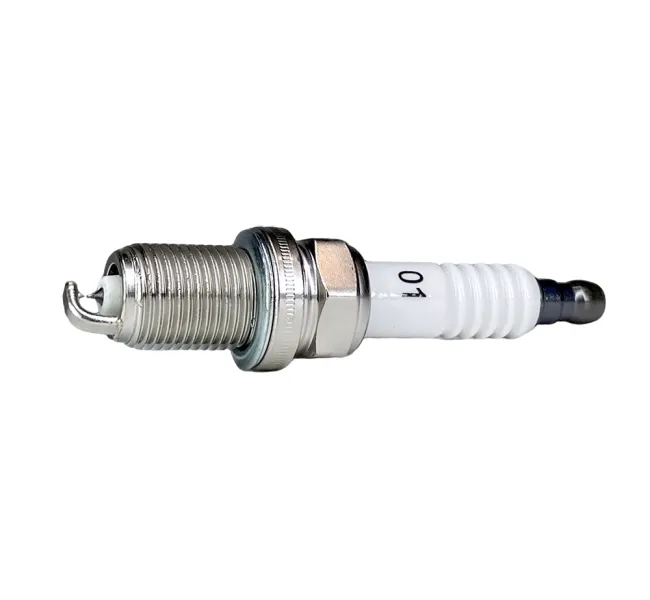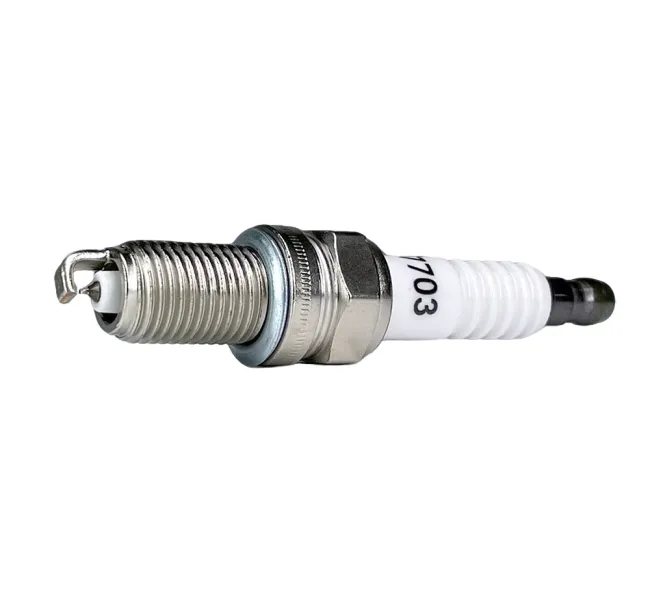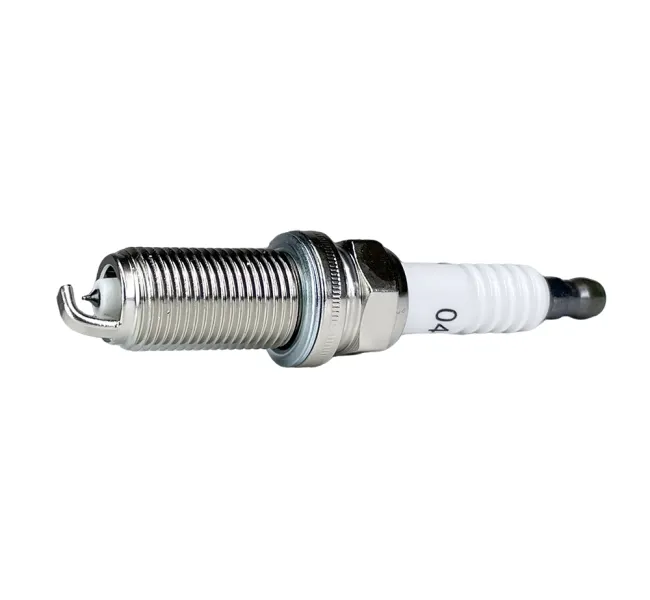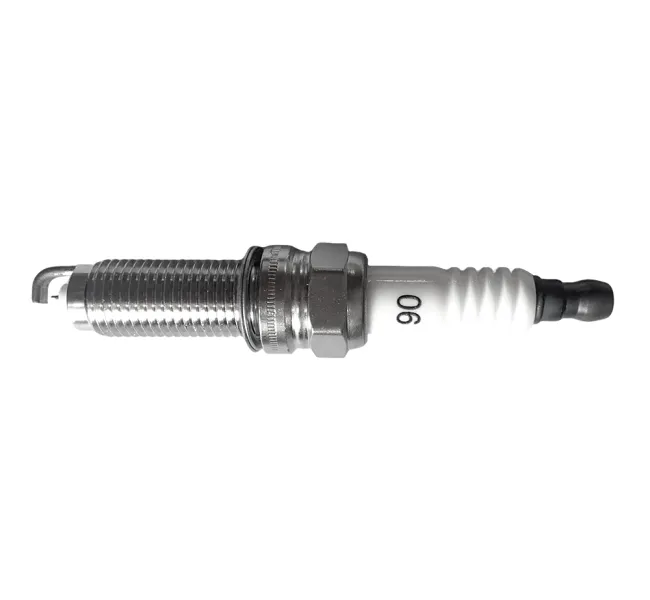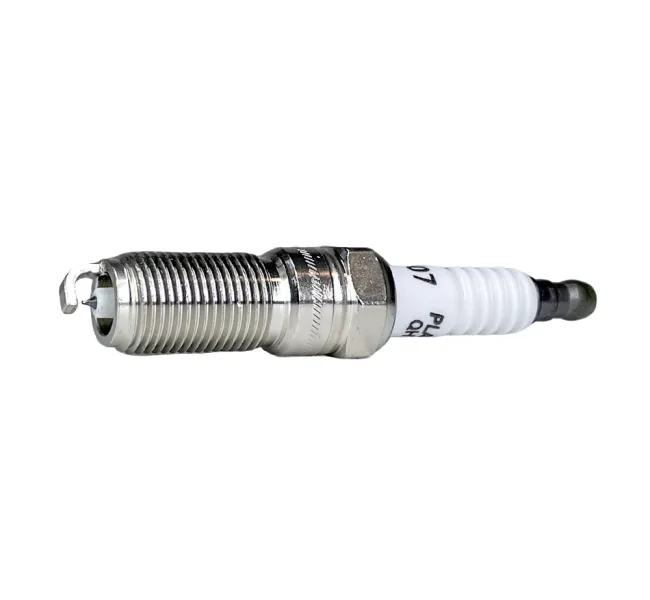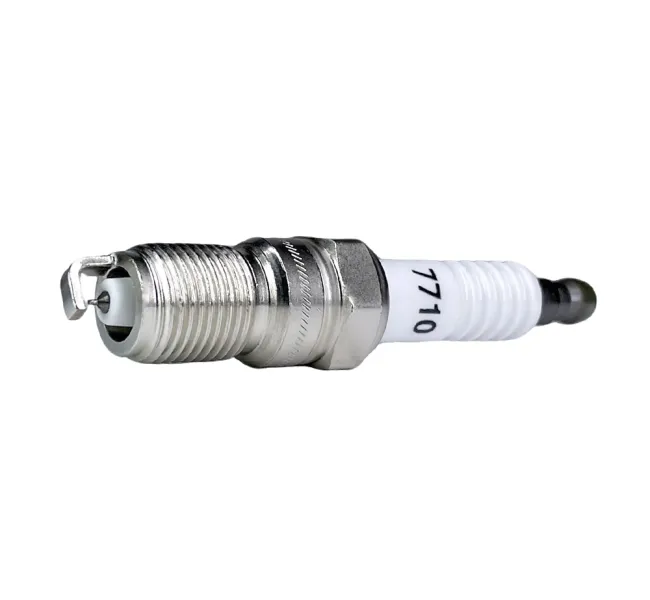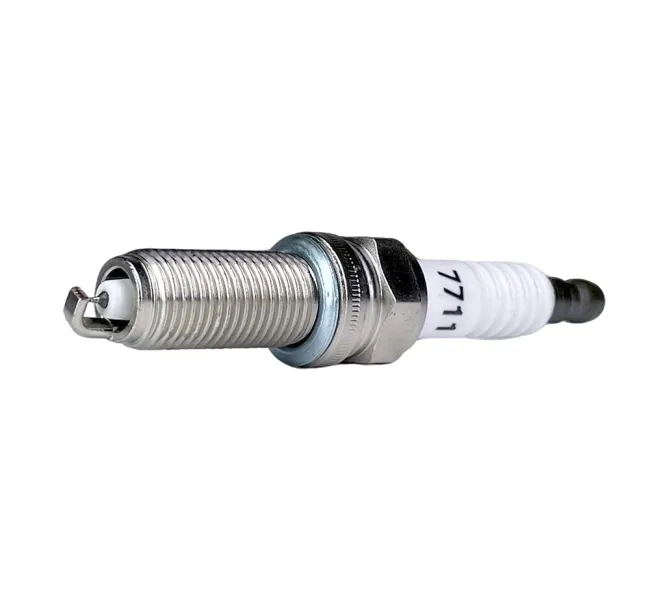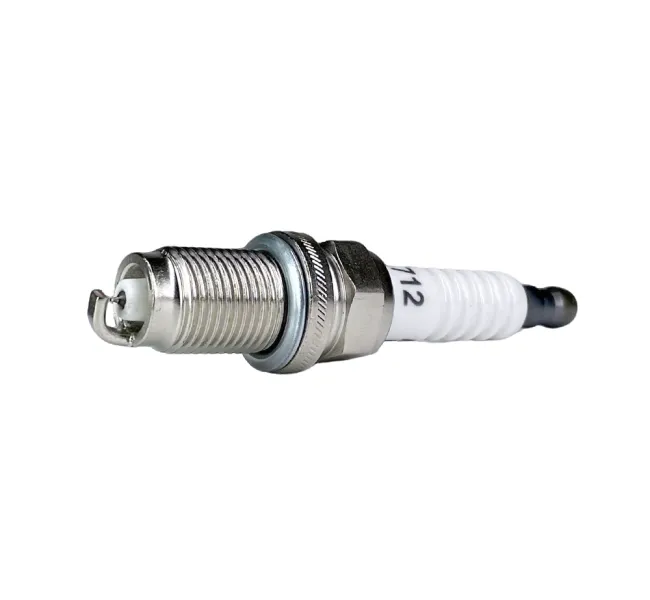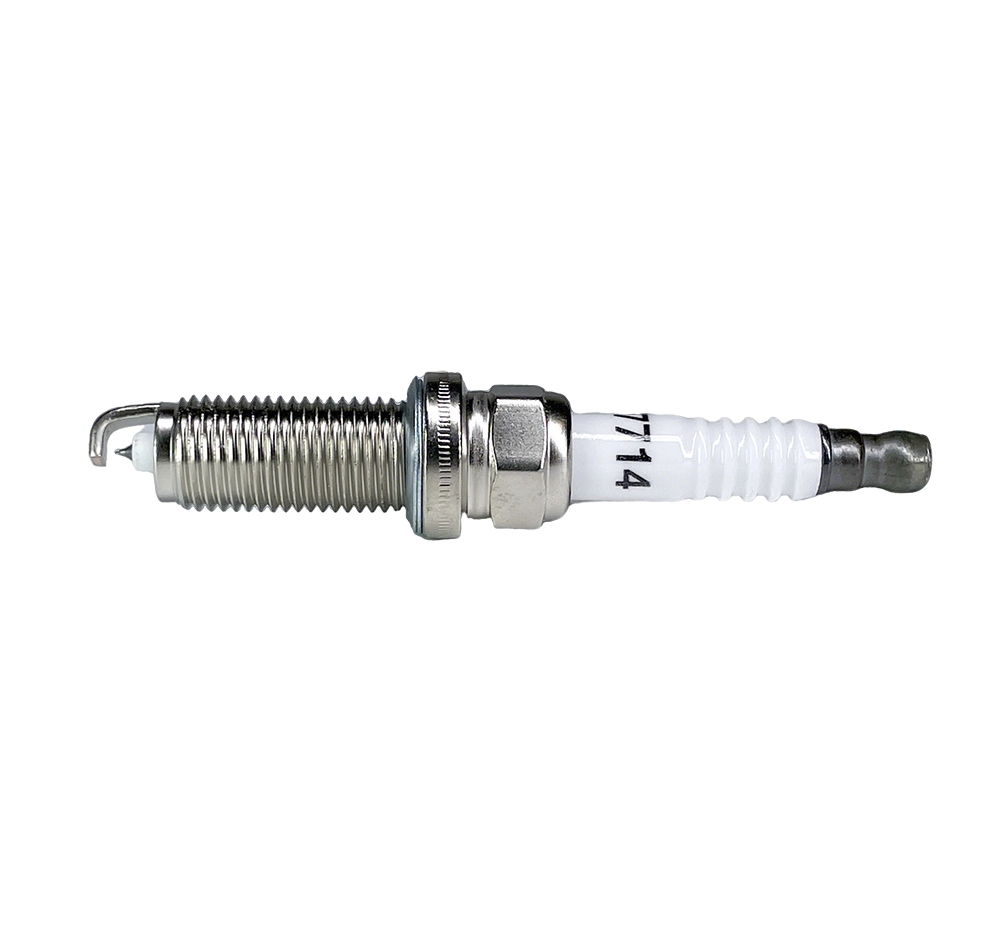
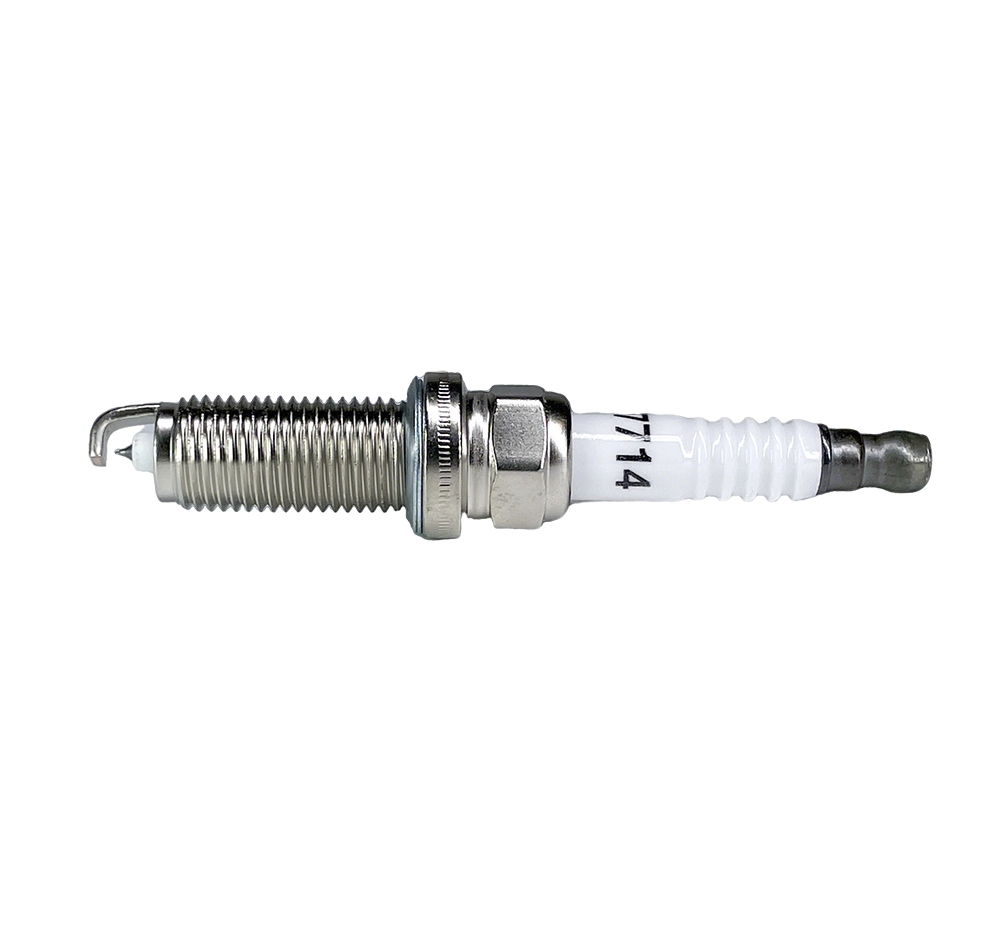
| NGK Number | NGK Model | OE Model |
| 4912 | ILKAR7B11 | 90919-01275 |
| 93482 | SILZKAR7B11 | 16 115 481 80 |
| 5118 | PLZKAR6A-11 | 90919 01253 |
| 91187/95896 | LKAR6AIX-11 | 16 115 481 80 |
| 19185438 | ||
| 190919 C1010 | ||
| 9004A 91068 | ||
| 90919-T1014 |
Modern engines require stable ignition performance to achieve efficient combustion, smooth acceleration, and reduced fuel consumption. This is why choosing a high-quality iridium spark plug for car applications has become increasingly important for both daily driving and high-performance engines.
Designed with advanced electrode technology and durable materials, this spark plug offers improved ignition efficiency, excellent heat resistance, and long service life. Compared with conventional nickel spark plugs, iridium spark plugs feature a finer center electrode that allows more concentrated spark energy and more reliable ignition under demanding operating conditions. High-performance iridium electrode designs are widely recognized for durability and stable spark generation. ([carparts.com][1])
This spark plug is engineered to provide reliable performance across a wide range of driving environments.
Stable Ignition Performance : The fine-wire iridium electrode helps generate a more concentrated spark, improving combustion efficiency and reducing the risk of misfires.
Extended Service Life : Iridium materials offer excellent resistance to electrode wear and high-temperature oxidation, allowing longer replacement intervals compared with standard spark plugs.
Improved Fuel Efficiency : More complete combustion helps optimize fuel usage and supports smoother engine operation.
Better High-Temperature Resistance : The spark plug maintains stable performance even under high engine loads and elevated combustion temperatures.
Reduced Maintenance Requirements : Its durable construction helps minimize frequent replacement and supports long-term engine reliability.
A worn spark plug can significantly affect engine performance and fuel efficiency. As the electrode gradually wears down, the spark gap becomes larger, making it more difficult for the ignition system to generate a stable spark. According to spark plug technical references, excessive electrode wear may lead to incomplete combustion, rough idling, reduced acceleration, and increased fuel consumption.
Several common signs may indicate that a spark plug needs replacement. Engine misfires, difficult starting, unstable idle speed, and reduced throttle response are often early warning signals. In some cases, drivers may also notice increased exhaust emissions or lower fuel economy.
Visual inspection can also help identify wear. Rounded electrode edges, carbon deposits, oil fouling, or damaged ceramic insulation may suggest that the spark plug is no longer operating efficiently. Replacing worn spark plugs in time helps restore ignition stability and maintain proper engine performance.
This iridium spark plug is suitable for a variety of gasoline engine applications and supports stable ignition performance in modern electronic ignition systems. Its durable structure and optimized ignition characteristics make it suitable for passenger vehicles, compact cars, and performance-oriented engines requiring consistent spark reliability.
With a combination of ignition efficiency, durability, and thermal stability, this iridium spark plug for car applications provides a dependable solution for maintaining smooth engine performance and long-term driving reliability.
| Application | Auto Engine Parts |
| size | OEM Standard |
| Warranty | Two year or 50,000 km |
| Application | Auto Ignition System |
| Quality | 100% Professional Test |
| MOQ | 50 Pcs |
| Packing | Neutral Packaging or Customized box |
| Color | Picture Showing |
| Delivery time | 10-50 Days,usually depends on the quantity |
| Package | Neutral Packaging |
| Specifications: | |||
| Item Description: | Ignition Coil,Auto Ignition Coil | OEM No.: | New |
| Material: | Plastics & Metal&Copper | Condition: | |
| Pins: | Color | Picture Showing | |
| Warranty: | 2-years / 50,0000 kilometers | Car Fit: | For Cars |
| MOQ: | 100 | Size: | OEM Standard |
| Stocks: | Yes | Quanlity: | Excellent |
| Shipping Terms: | DHL,EMS,TNT,UPS,as your requirements | Payment Terms: | Western Union, T/T,L/C |
| Packing Details: | Neutral Packaging or Customized box | Delivery Time: | 20-40 days after order, usually depends on the quantity |