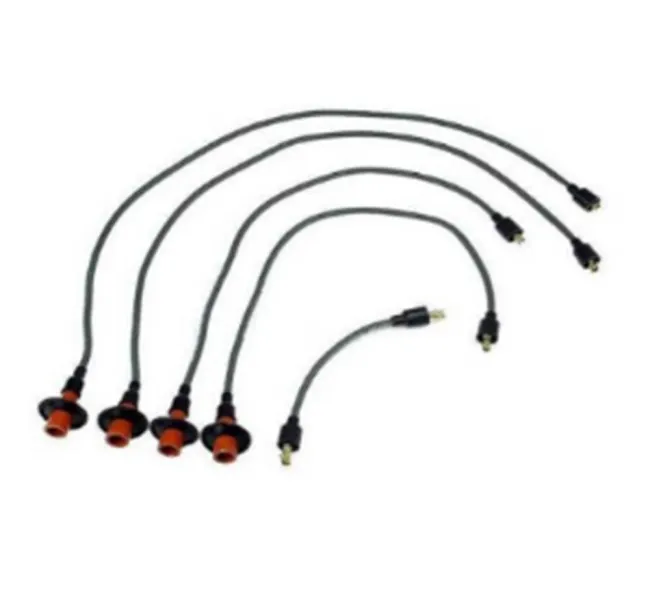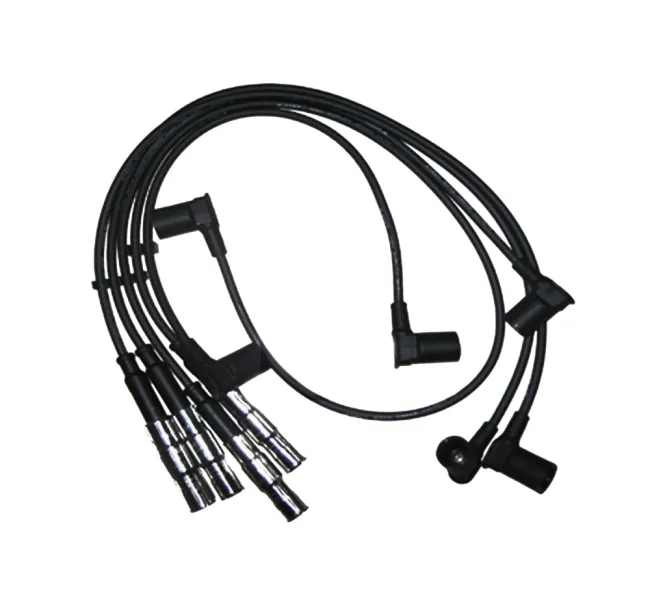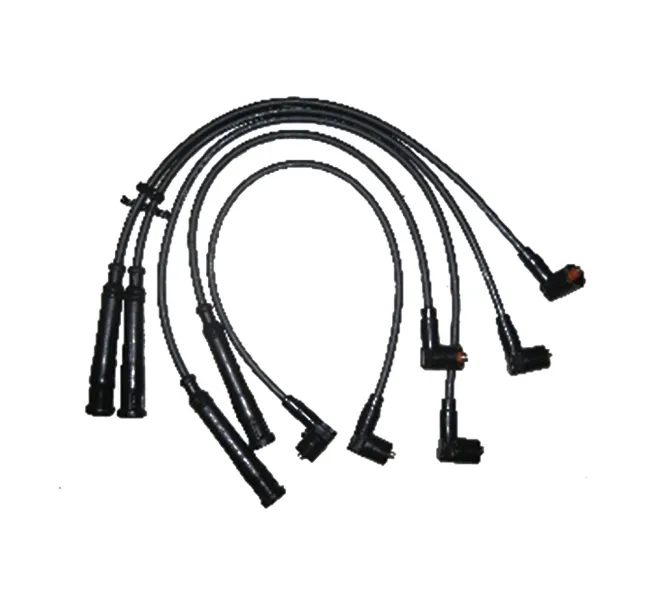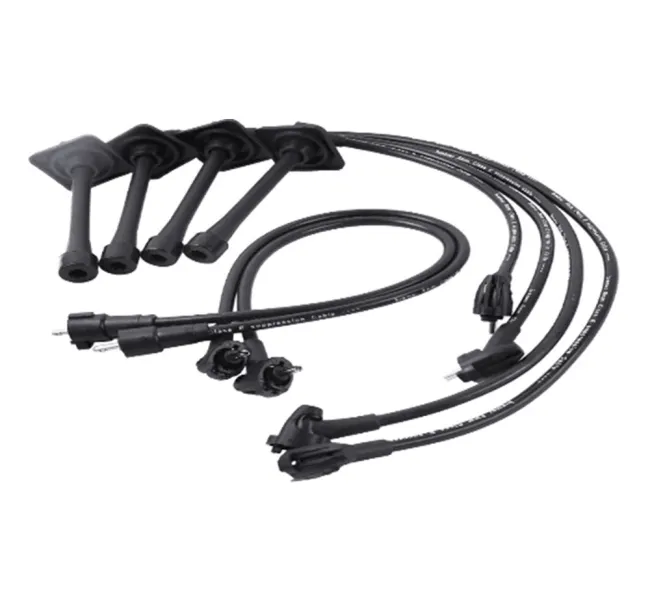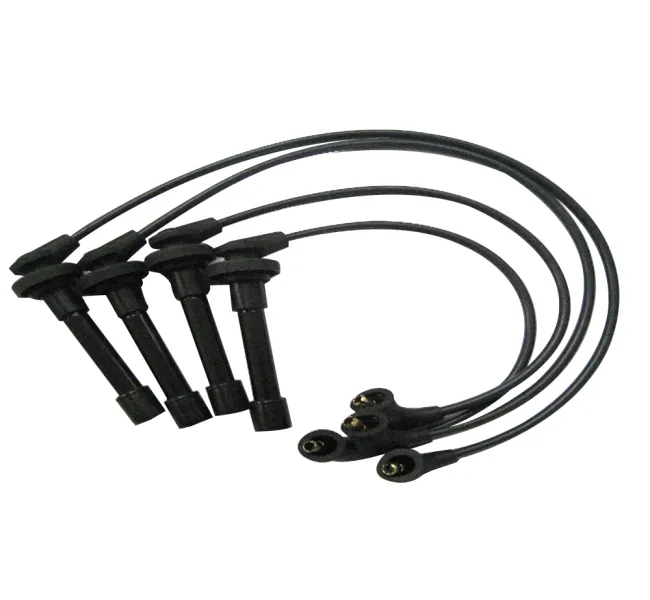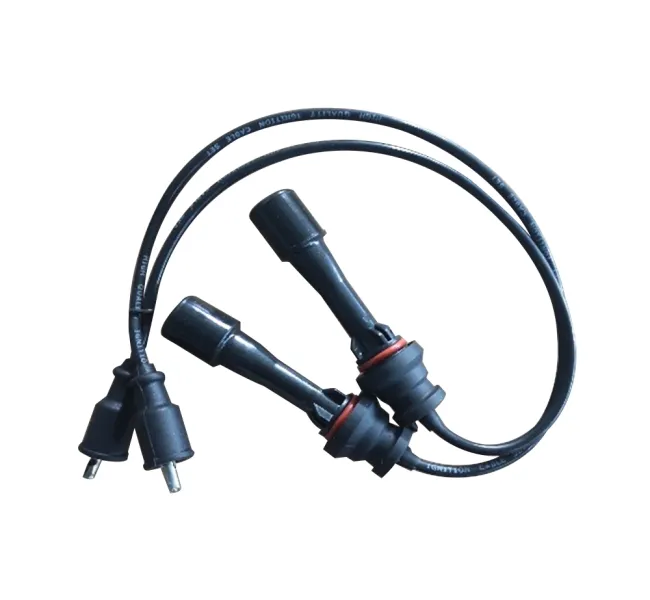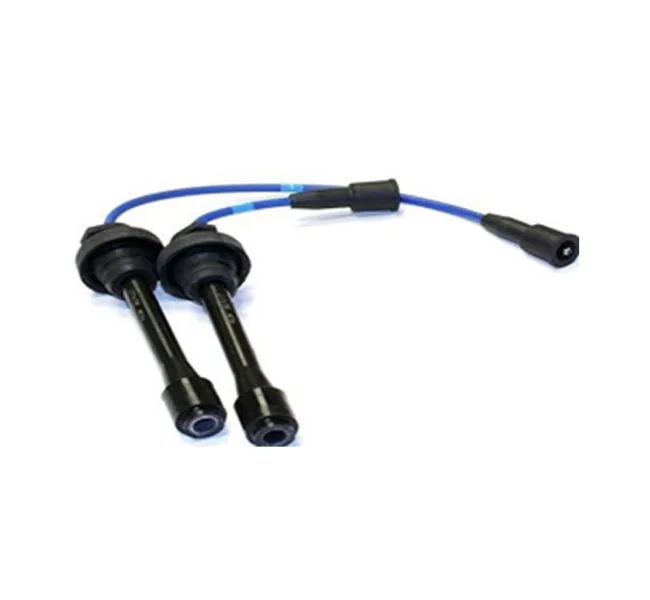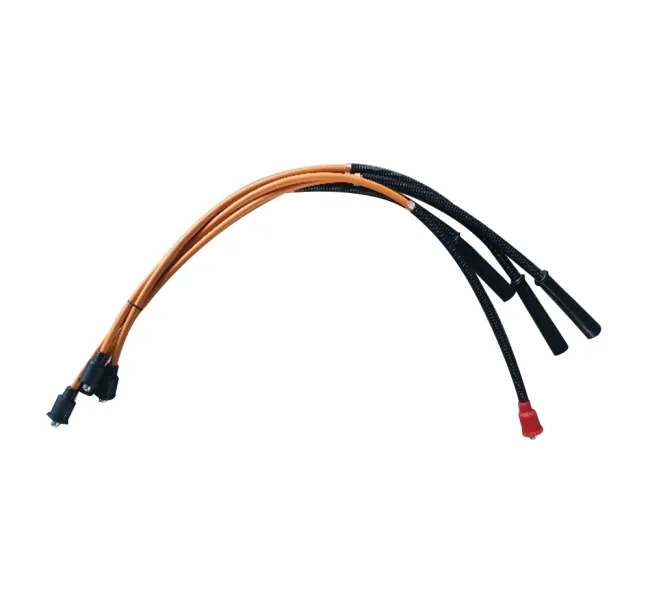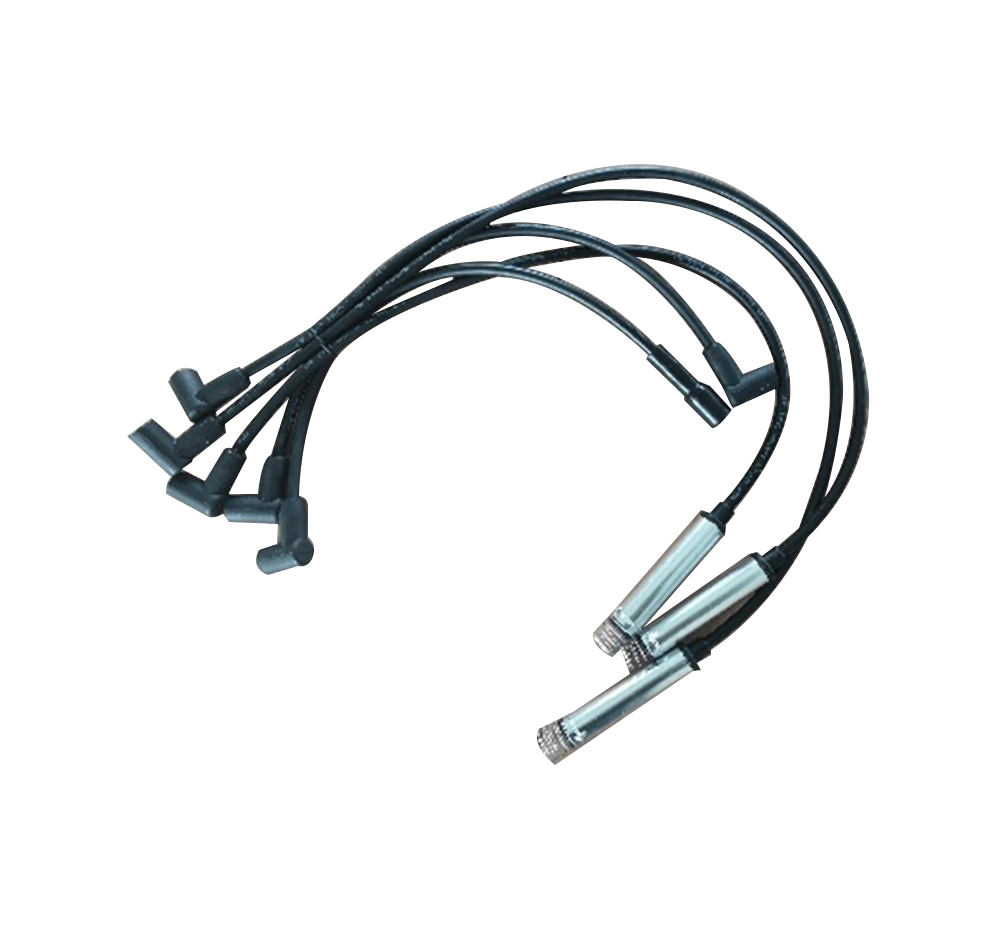
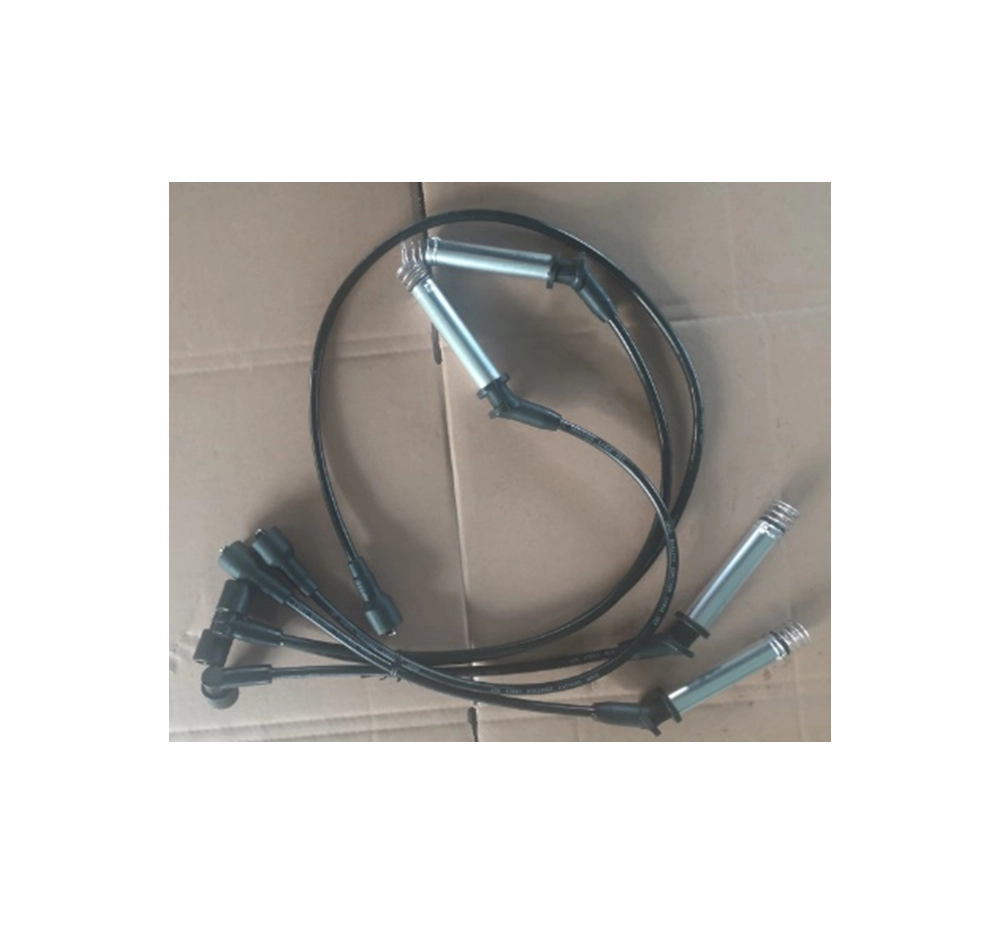
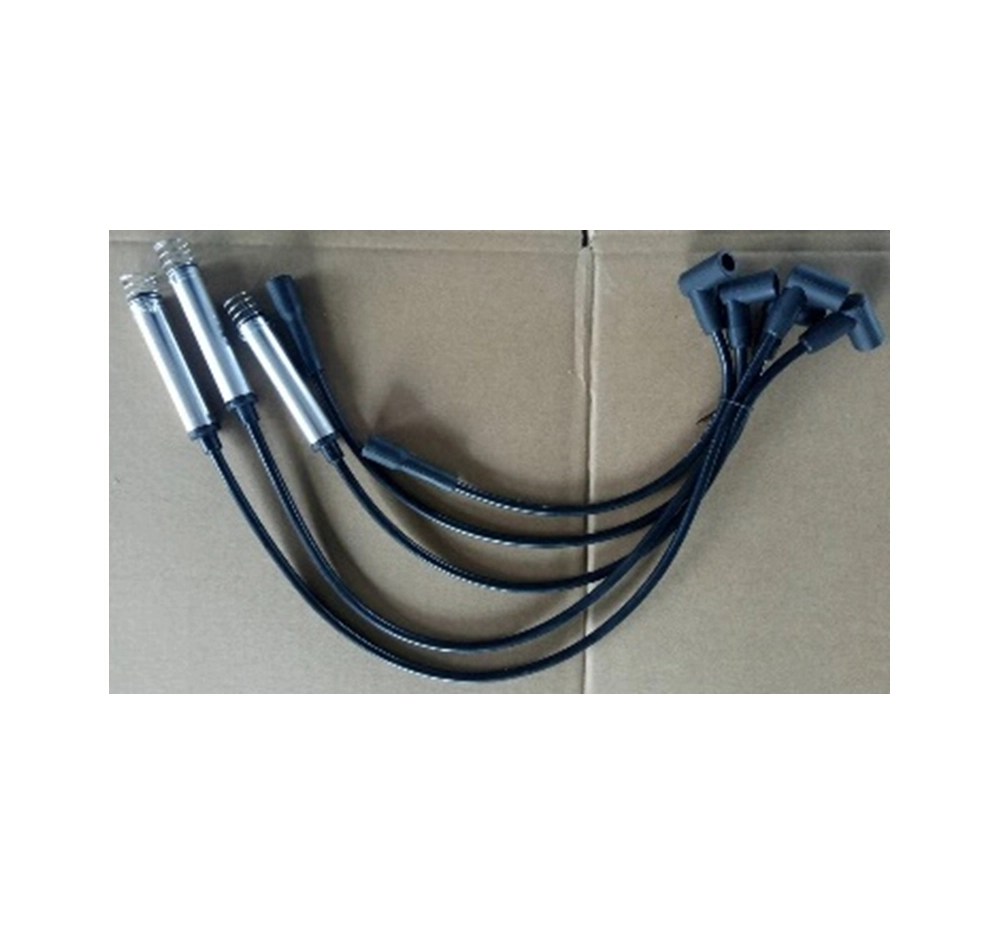
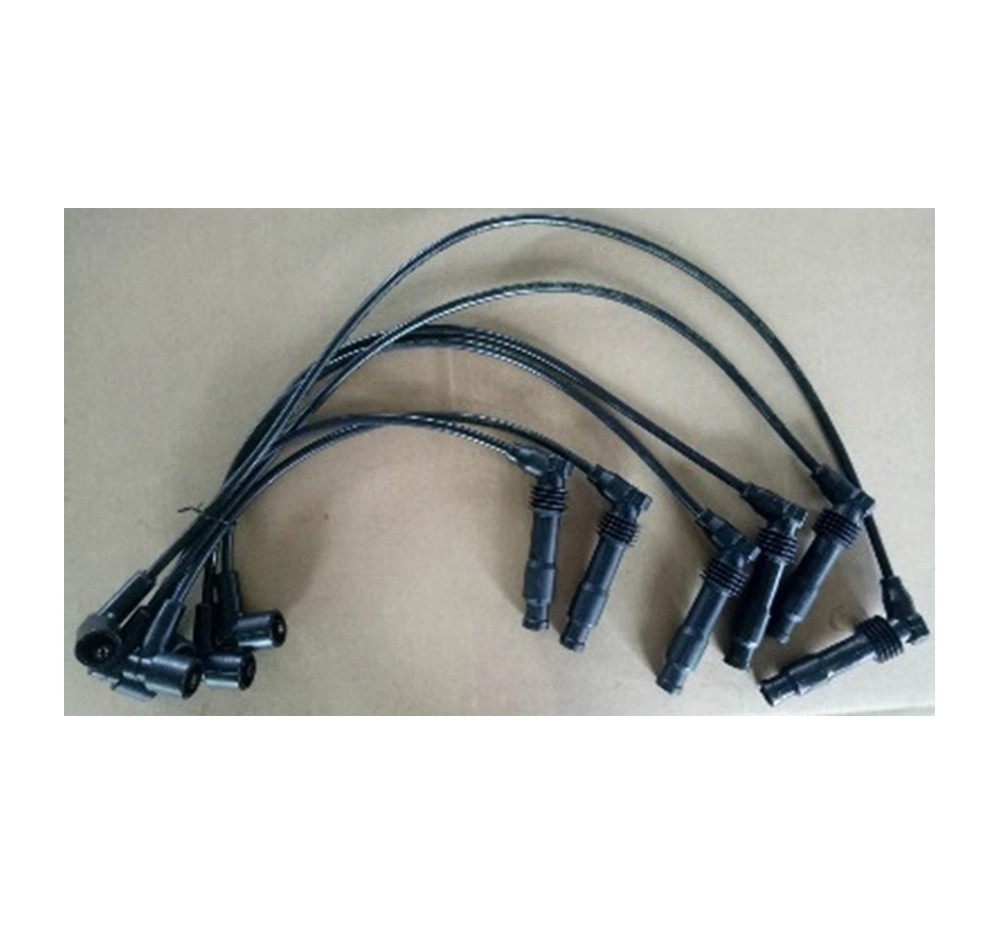
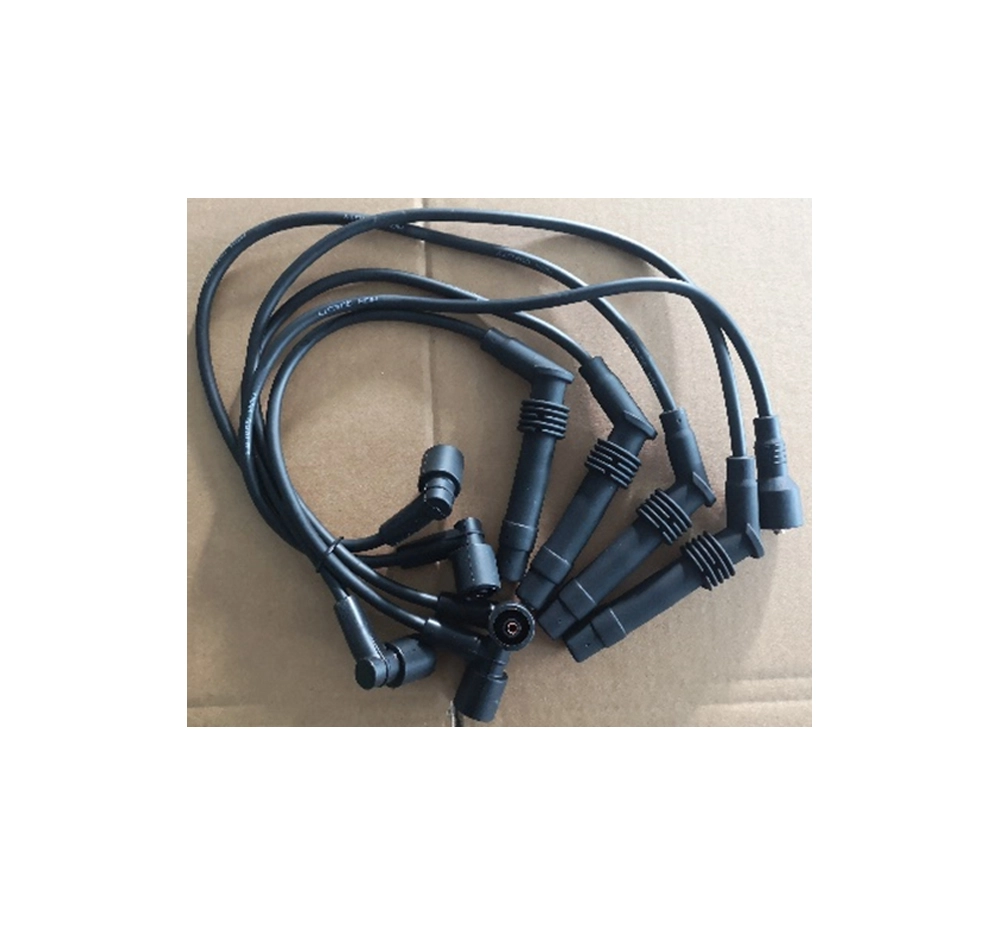
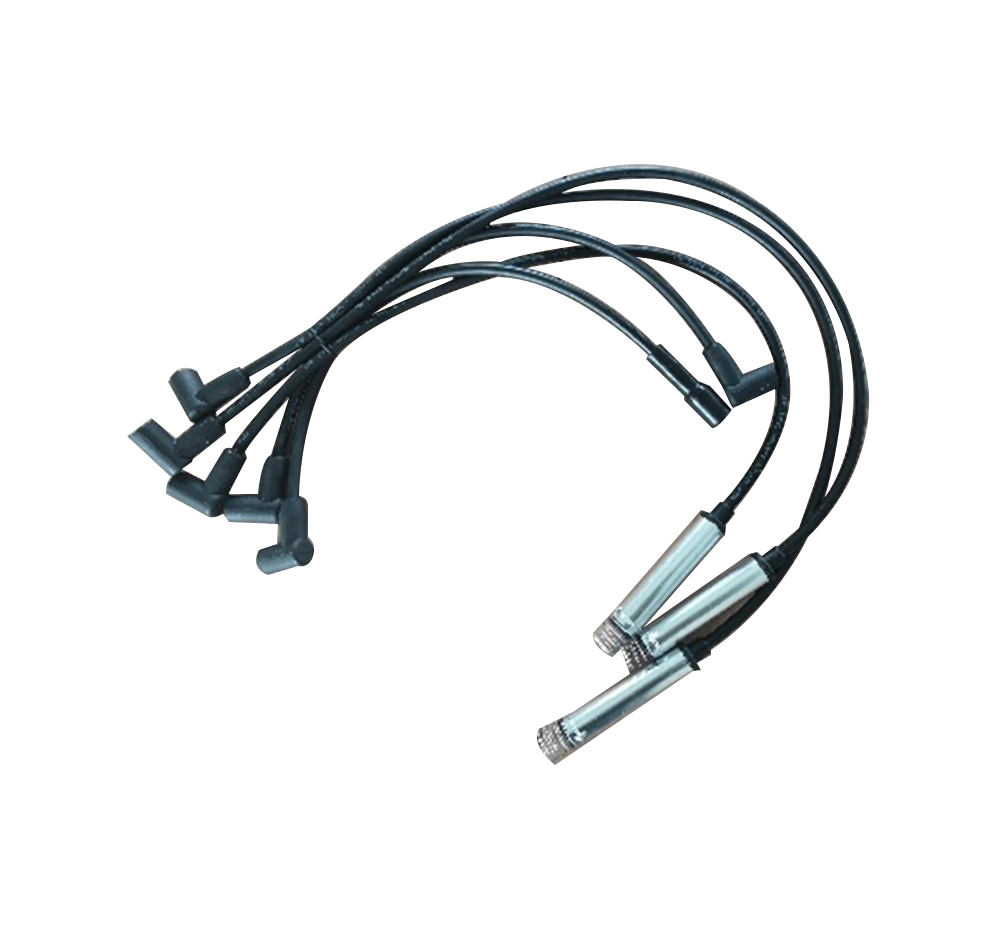
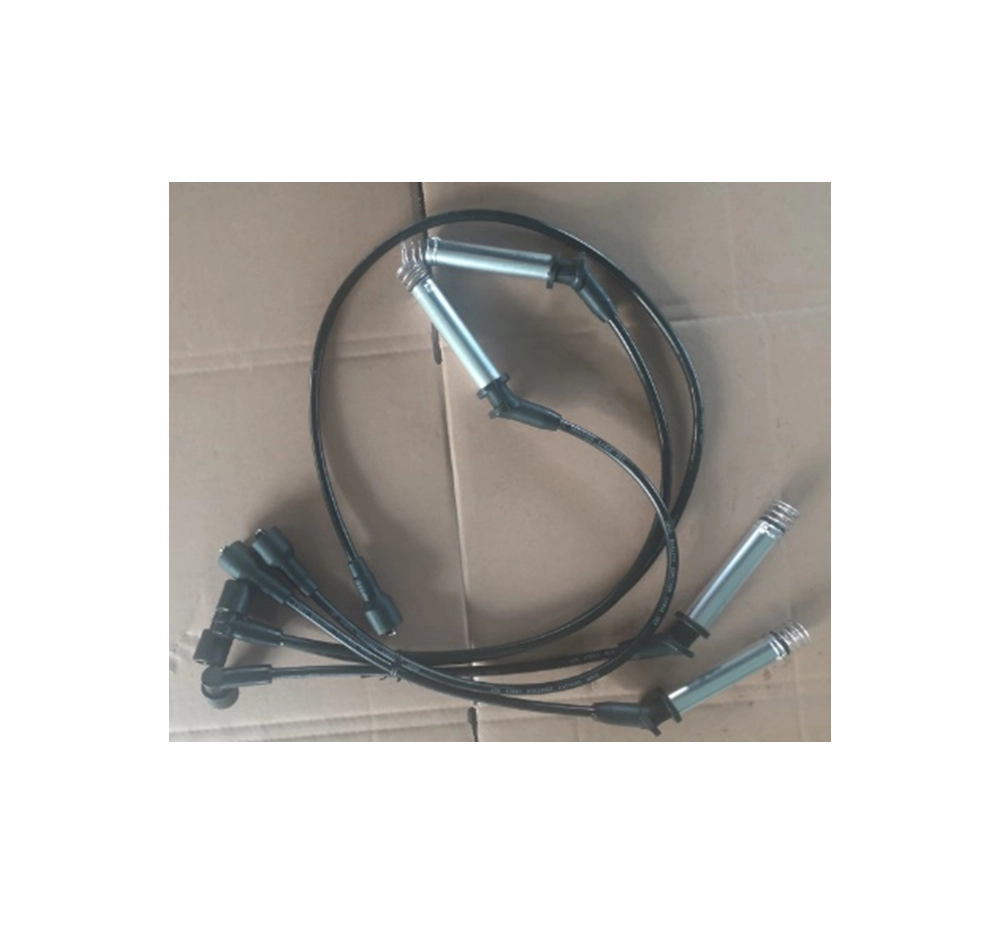
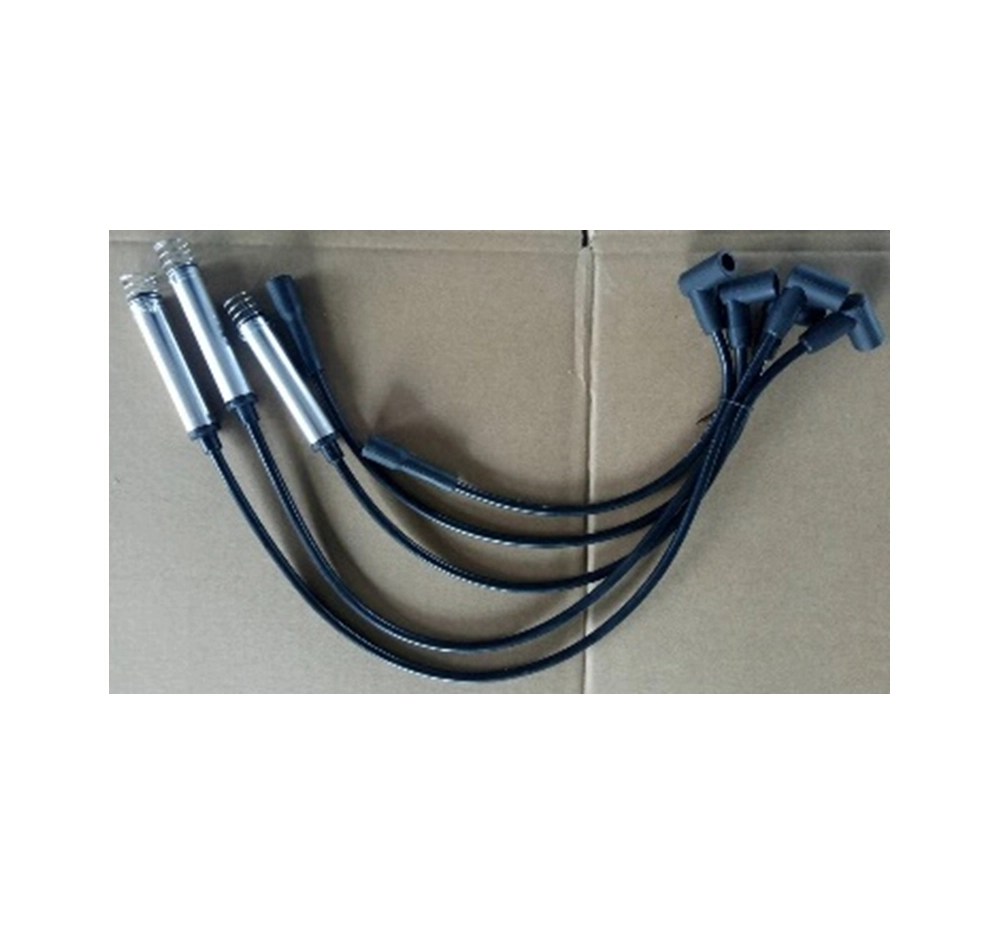
| OEM | OEM | OEM | OEM |
| OPEL-2 | 1612603 | 1612619 | 1801-0152 |
| 90491944 | 90493032 | ZEF1152 | 986357055 |
| 16 12 605 | 16 12 602 | 92099929 | 1612509 |
| 1801-0423 | 16 12 533 | 16 12 541 | 16 12 556 |
| 1612544 | 1612610 | 0 986 356 747 | ZEF1118 |
| 90449676 | 90443690 | 90449673 | 90413606 |
| 90449675 | 90337743 | 90449674 | 90442406 |
| 90442055 | T962B | 1612558 | 16 12 559 |
| 16 12 560 | 90443692 | 90443693 | 90443694 |
| ZEF1121 | 1612492 | ZEF1382 | 165972 |
| 1612462 | 1801-0098 | 1612444 | 1612441 |
| 90009357 | 90141391 | ZEF575 | S8105 |
| ZEF581 | 16 12 523 | 16 12 527 | 16 12 542 |
| 16 12 545 | 1612477 | 1612459 | 1801-0088 |
| 90297423 | ZEF578 | 986356723 | 1612479 |
| 1612523 | S8095 | ZEF580 | 16 12 536 |
| 16 12 537 | RC-OP416 | 16 12 499 | 90 442 063 |
| 90 350 553 | ZEF580 | ZEF1092 | 16 12 530 |
| 16 12 551 | 90 421 759 | 90 442 780 | ZEF665 |
| 1612537 | 1612497 | 1612531 | 90 350 555 |
| 90 442 064 | 1801-0296 | ZEF584 | T163B |
| S8321 | 1612501 | 1612503 | 1612642 |
| 1612485 | 1612473 | 90349320 | 90350551 |
| 90349317 | 90009357 | 90295495 | ZEF583 |
| 1801-0118 | 300890583 | 1612474 | 90295494 |
| 1801-0099 | ZEF577 | T179B | ZEF575 |
| 986356722 | 986356826 | ZK758 | ZK710 |
| RC-OP427 | 1612462 | 90009357 | S8106 |
| ZEF577 | 16 12 474 | RC-OP429 | 1612597 |
| 1612598 | 1801-0151 | ZEF1124 | S8449 |
| 986357126 | RC-OP449 | 90487569 | T986B |
| 1612598 | 90487571 | 1282163 | 1282164 |
| 1282165 | 1282166 | 1282167 | 09 117 892 |
| 09 117 893 | 09 117 894 | 09 117 895 | 93 176 701 |
| ZEF1161 | OPEL-1 | 1612657 | 90 510 851 |
| 1612608 | 1612611 | 16 12 612 | 12 82 587 |
| 12 82 121 | 12 82 122 | 12 82 124 | 12 82 123 |
| 90 518 660 | 90 449 884 | 90 518 662 | 90 510 854 |
| 90 518 661 | 90 518 659 | 90 510 855 | ZEF997 |
| T929B | RC-OP442 | 90 443 584 | 90 443 687 |
| 16 12 552 | 16 12 561 | 12 82 077 | 12 82 078 |
| 12 82 080 | 12 82 079 | 16 12 552 | 1282146 |
| 1801-0117 | 90 384 310 | 90 443 687 | 90 443 584 |
| 90 384 308 | ZEF1157 | ZEF 1159 | ZEF 1160 |
| 12 82 153 | 12 82 154 | 12 82 155 | 12 82 156 |
| ZEF1160 | S8128 | ZEF1160 | S8128 |
| 1612013 | 16 12 001 | 16 12 646 | 09 193 022 |
| 09 119 169 | ZEF 1153 | 1282140 | 1282139 |
| 1282138 | 1282137 | 671-6058 | 90494714 |
| 90494715 | 1612622 | 90 449 673 | 90 449 676 |
| 90 337 744 | 90 449 675 | 90 449 674 | 12 82 044 |
| 12 82 091 | 12 82 084 | 12 82 089 | 12 82 090 |
| 90510856 | ZEF994 | 1612543 | 1612591 |
| 1612592 | 1612651 | 90 442 404 | 90 486 611 |
| 90 486 612 | 16 12 528 | 16 12 592 | 16 12 651 |
| 90443964 | 90486611 | 90486612 | ZEF571 |
| 272193 | 1612458 | 0 986 356 886 | 90008240 |
| 1282067 | 1801-6245 | SC-G69 | DY-GM69 |
| CVMG6902 | 9 295 080 009 | SC-G79 | SC-G78 |
| SC-G80 | 16 12 648 |
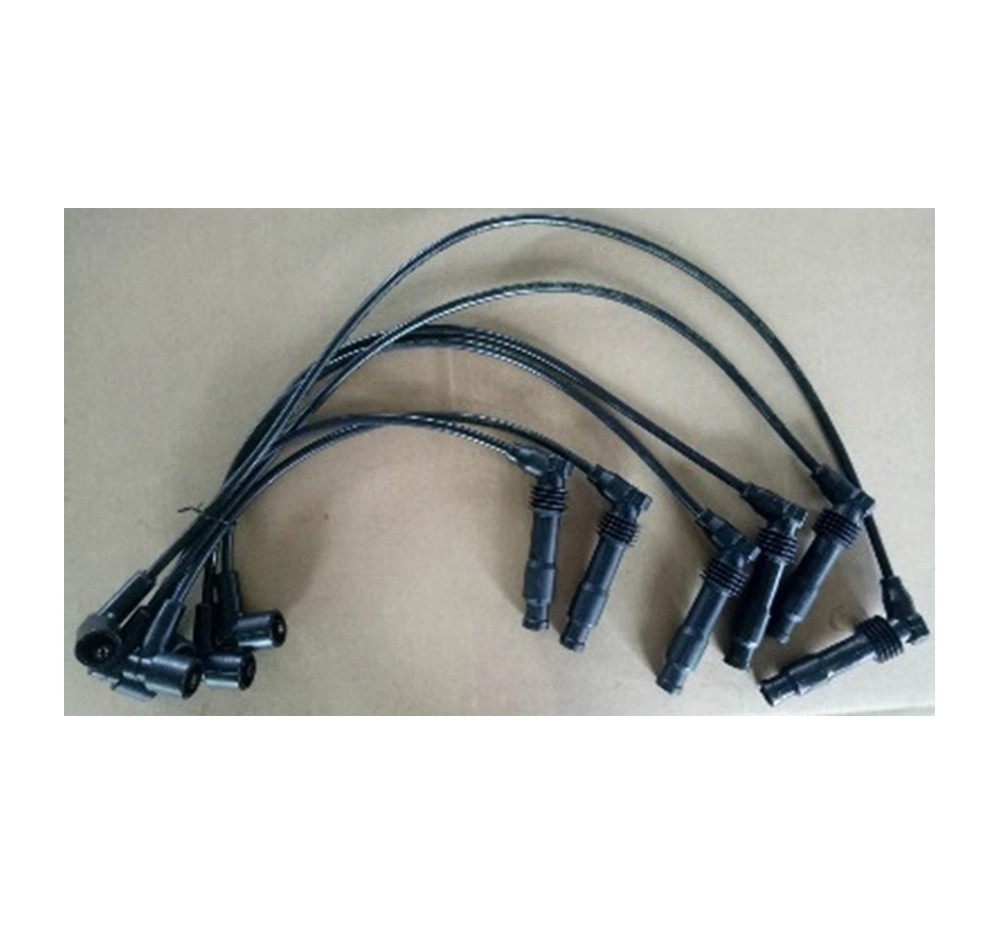
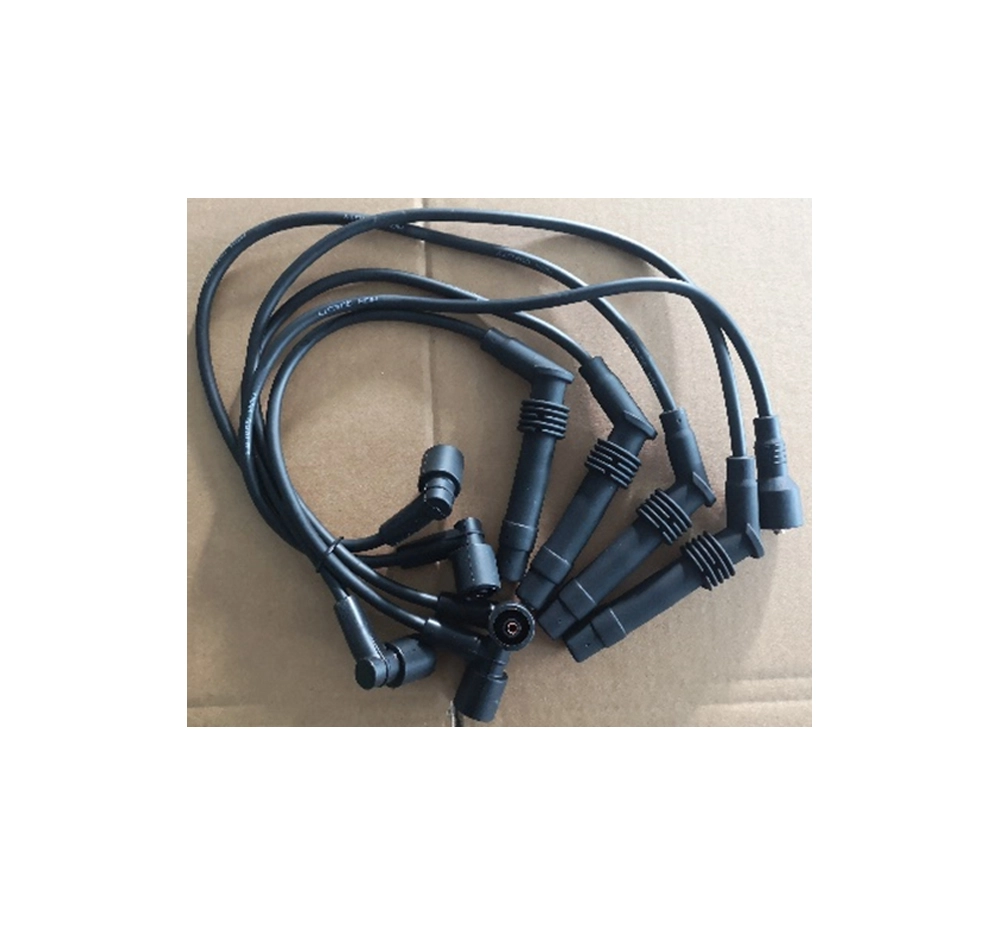
Stable ignition performance depends on consistent voltage delivery between the ignition coil and spark plugs. Designed for Opel engine systems, this ignition lead set helps maintain efficient spark transfer under daily driving and demanding engine conditions. Built with durable insulation and precision conductor materials, these Custom Ignition Leads are engineered to support stable combustion and dependable engine response.
Compared with ordinary ignition wires, high-quality ignition lead sets can significantly reduce voltage loss during transmission. This helps improve ignition efficiency, especially during cold starts, acceleration, and high-load engine operation. The flexible cable structure also improves installation convenience while supporting stable routing inside compact engine compartments.
Engine environments expose ignition components to constant vibration, high temperatures, moisture, and oil contamination. To improve long-term reliability, these Custom Ignition Leads use heat-resistant outer insulation combined with secure terminal connections.
The reinforced structure helps maintain consistent conductivity while reducing the risk of electrical leakage. Stable spark delivery contributes to smoother combustion and reduced ignition interruption, helping engines maintain more balanced operating performance.
| Feature | Advantage |
| Heat-resistant insulation | Improved durability in high-temperature engine bays |
| High-conductivity core | Stable spark energy transfer |
| Flexible cable structure | Easier installation and routing |
| Secure terminal connection | Reduced voltage leakage |
| OEM-style fitment | Reliable aftermarket replacement compatibility |
When ignition leads develop cracks or electrical leaks, spark energy may escape before reaching the spark plugs. This can lead to unstable ignition performance, engine misfires, rough idling, hesitation during acceleration, and reduced fuel efficiency. In severe cases, voltage leakage may also increase stress on the ignition coil and other ignition system components. Because engine compartments operate under continuous heat and vibration, lower-quality ignition wires may gradually harden or lose insulation performance over time.
High-quality Custom Ignition Leads are designed with durable insulation materials that help resist thermal aging, moisture exposure, and electrical breakdown. Stable insulation performance is important for maintaining reliable spark delivery and reducing ignition energy loss under demanding operating conditions. Properly sealed terminal connections also help minimize electrical interference and support long-term ignition stability.
This Opel ignition lead set is suitable for various ignition system replacement and maintenance applications. It is commonly used in:
▶ Passenger vehicle maintenance
▶ Automotive repair projects
▶ Ignition system upgrades
▶ Daily driving applications
With reliable conductivity, durable insulation, and stable voltage transmission capability, these **Custom Ignition Leads** provide an effective solution for maintaining dependable engine ignition performance.
| Application | Auto Engine Parts |
| size | OEM Standard |
| Warranty | Two year or 50,000 km |
| Application | Auto Ignition System |
| Quality | 100% Professional Test |
| MOQ | 50 Pcs |
| Packing | Neutral Packaging or Customized box |
| Color | Picture Showing |
| Delivery time | 10-50 Days,usually depends on the quantity |
| Package | Neutral Packaging |
| Specifications: | |||
| Item Description: | Ignition Coil,Auto Ignition Coil | OEM No.: | New |
| Material: | Plastics & Metal&Copper | Condition: | |
| Pins: | Color | Picture Showing | |
| Warranty: | 2-years / 50,0000 kilometers | Car Fit: | For Cars |
| MOQ: | 100 | Size: | OEM Standard |
| Stocks: | Yes | Quanlity: | Excellent |
| Shipping Terms: | DHL,EMS,TNT,UPS,as your requirements | Payment Terms: | Western Union, T/T,L/C |
| Packing Details: | Neutral Packaging or Customized box | Delivery Time: | 20-40 days after order, usually depends on the quantity |