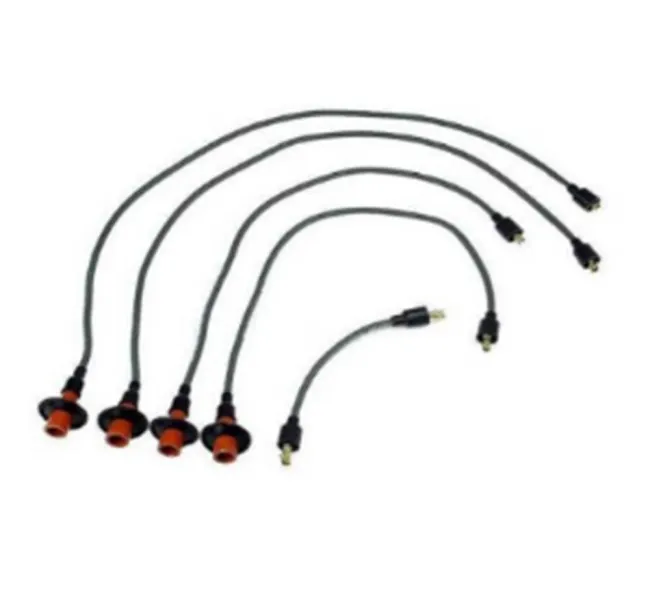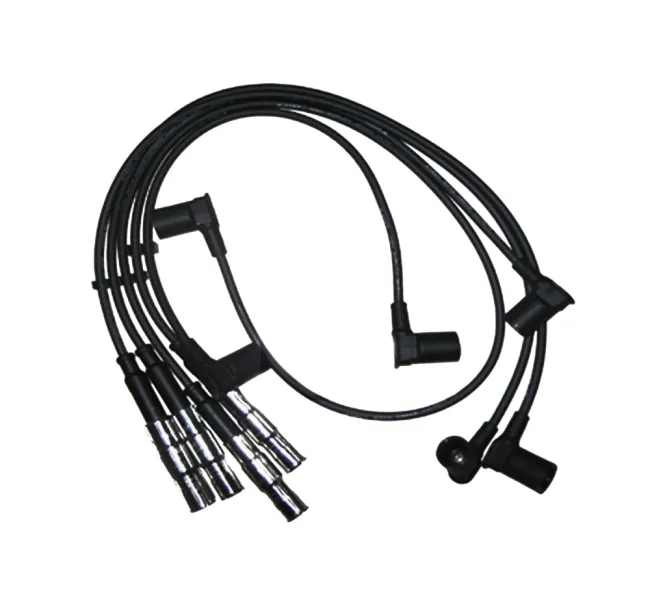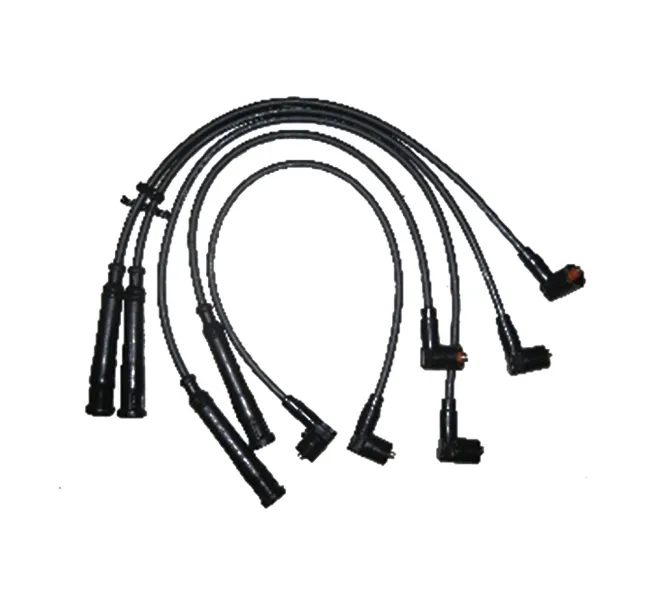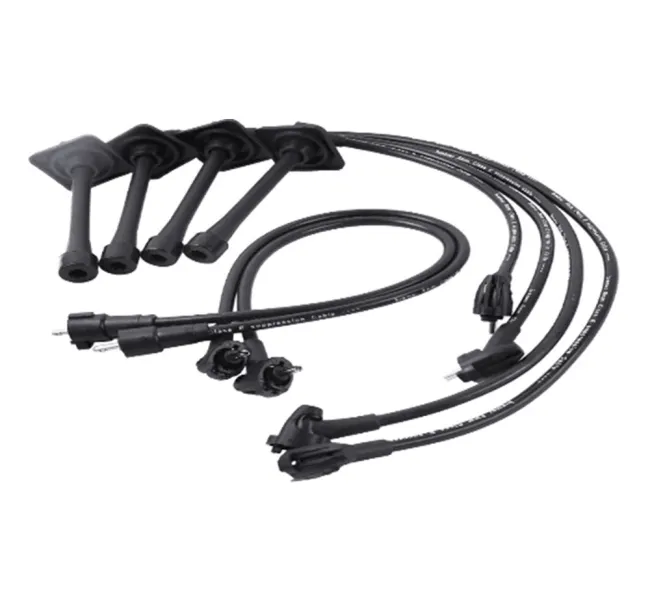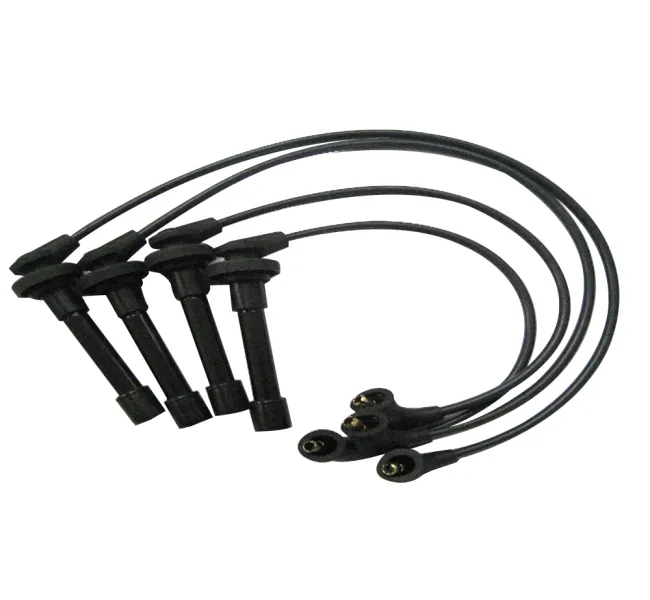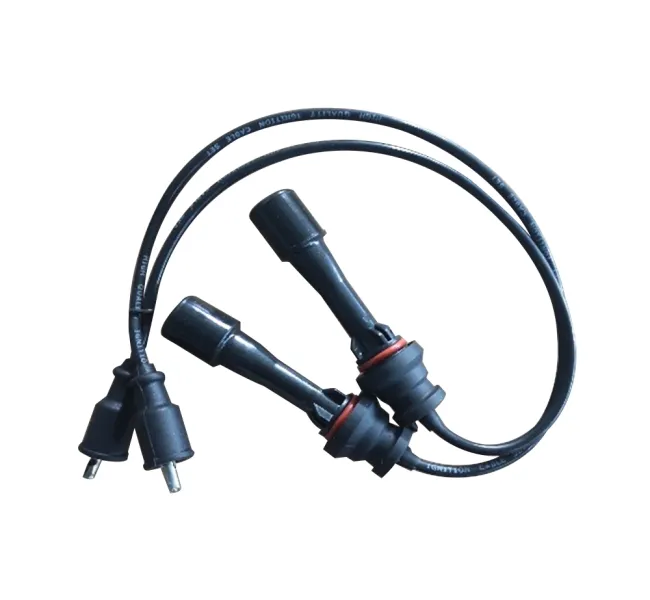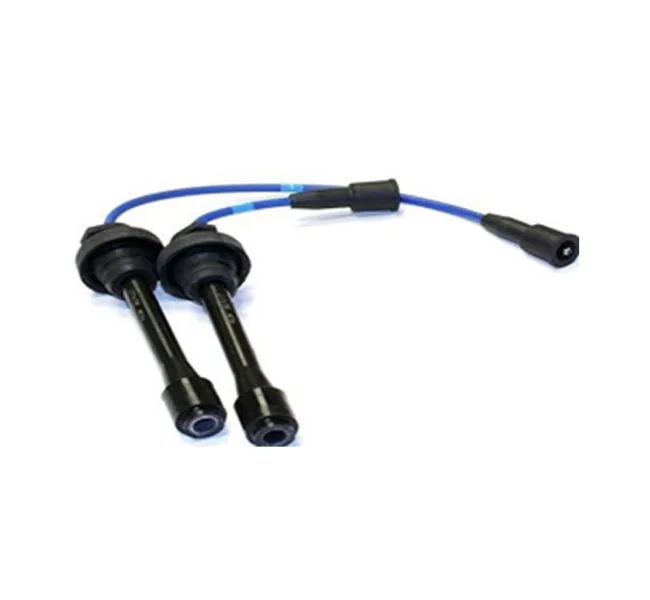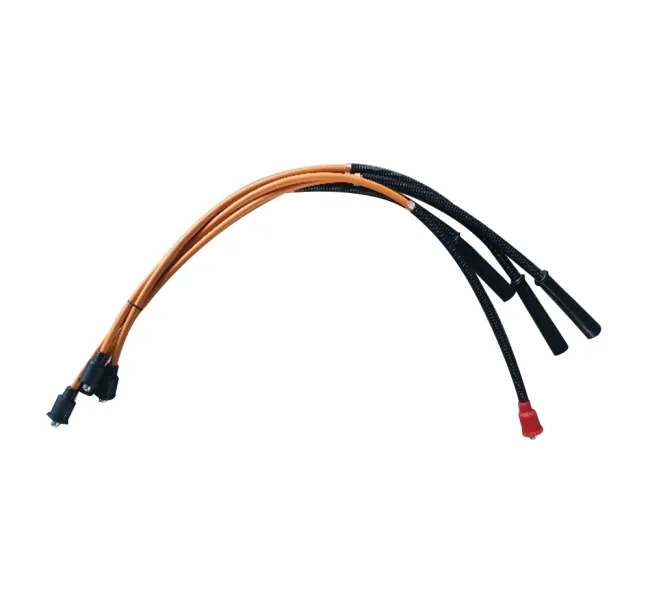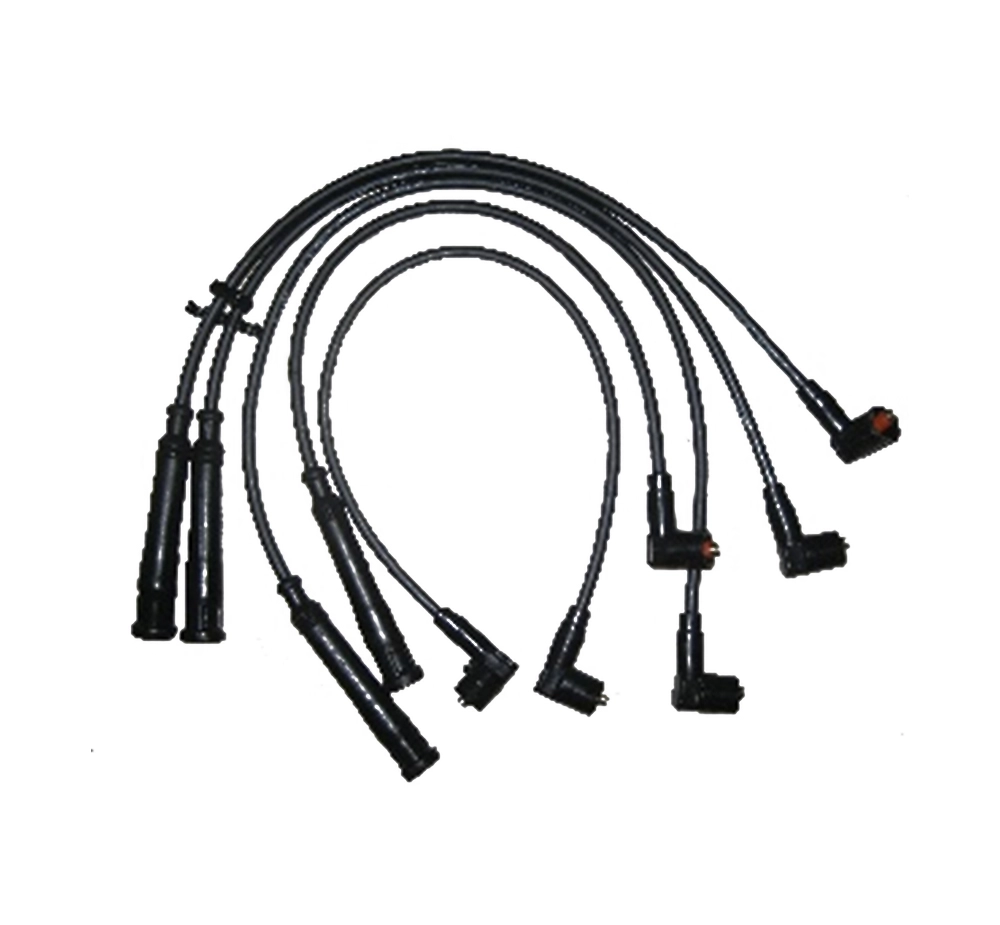
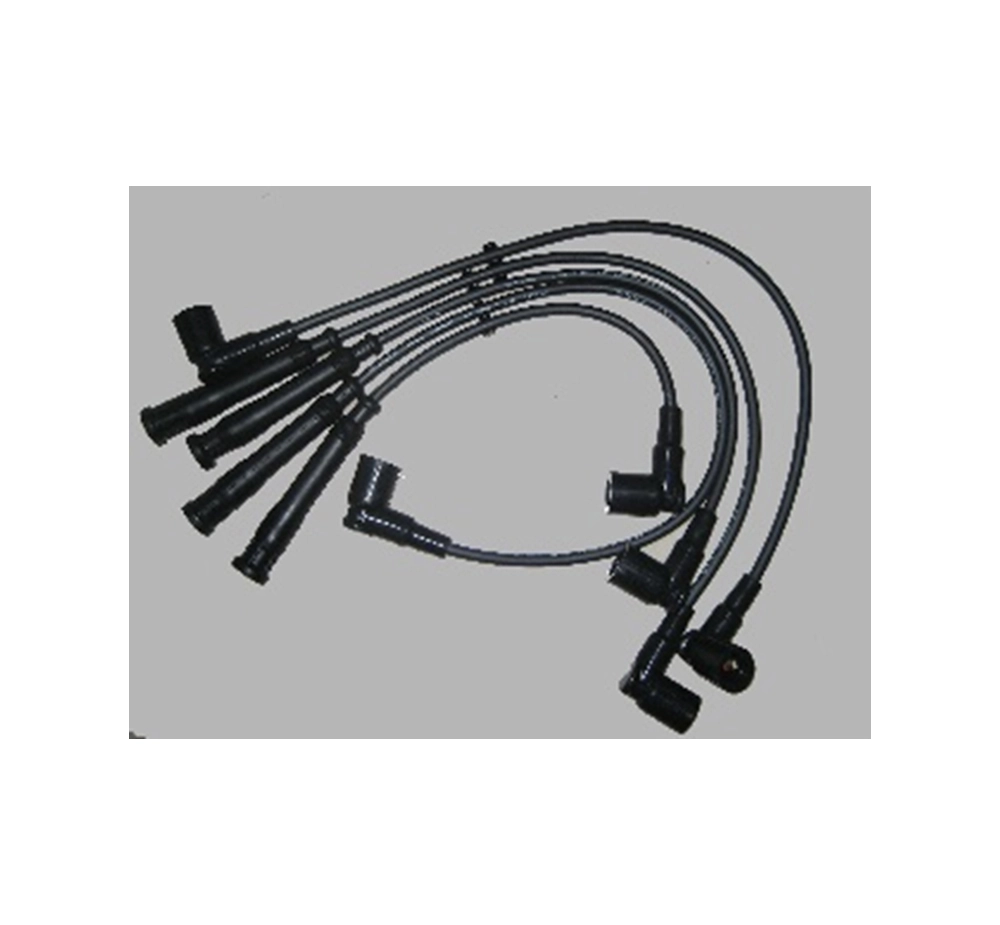
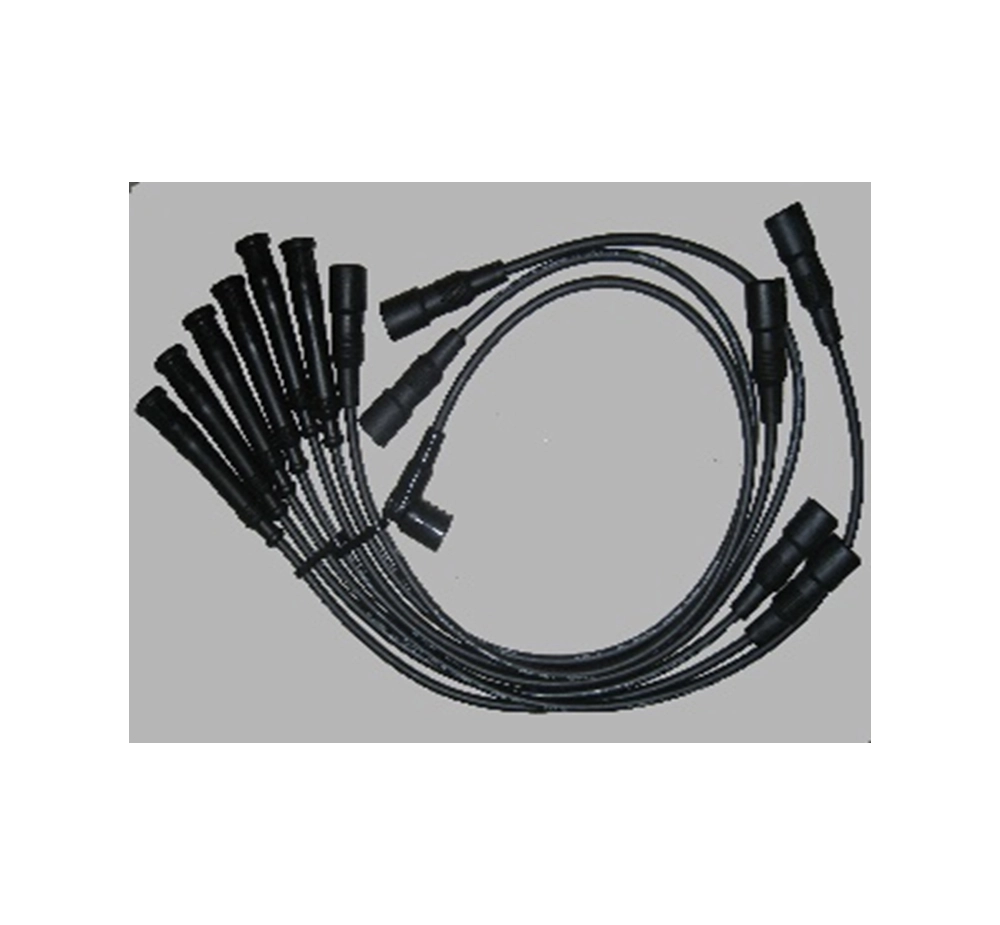
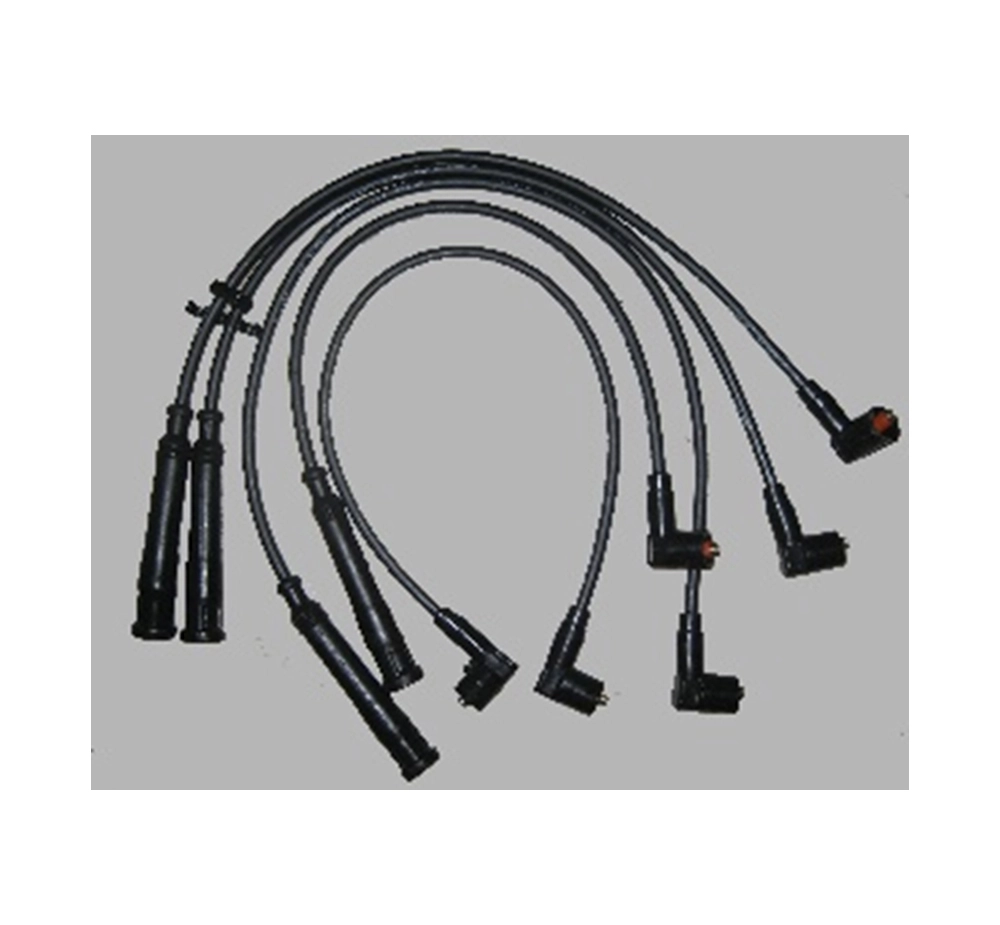
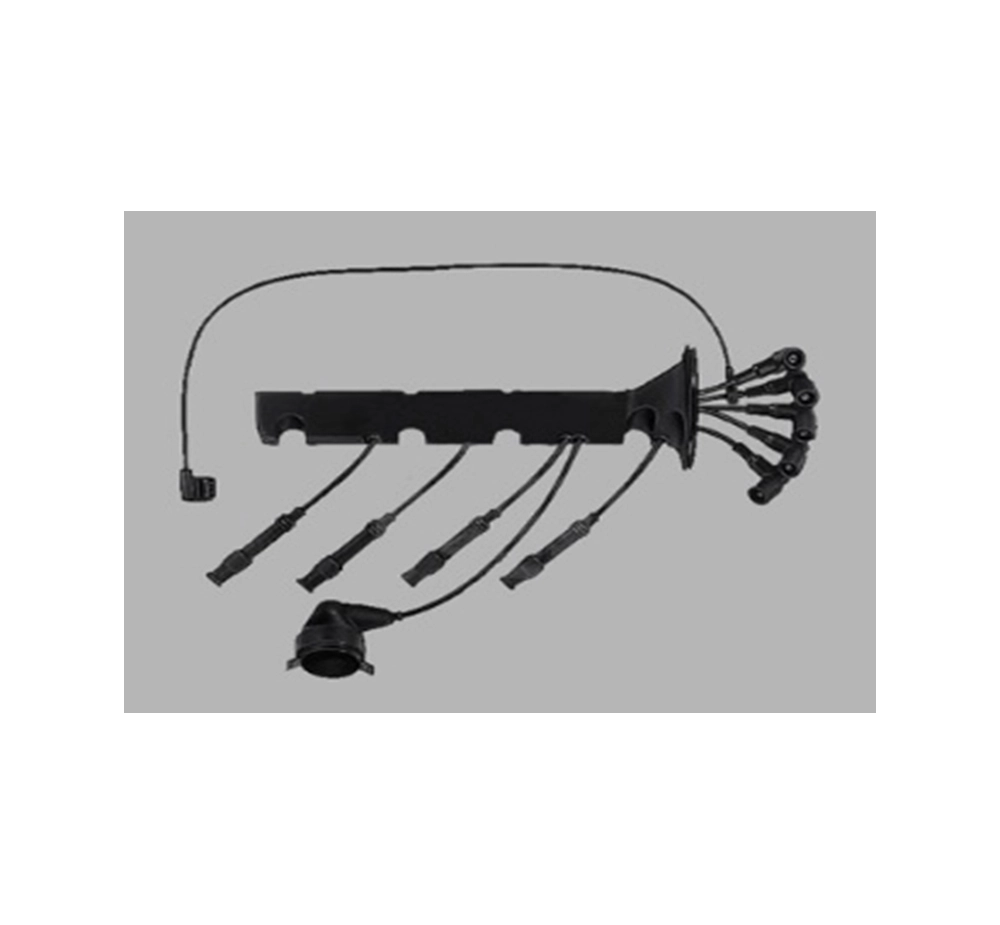
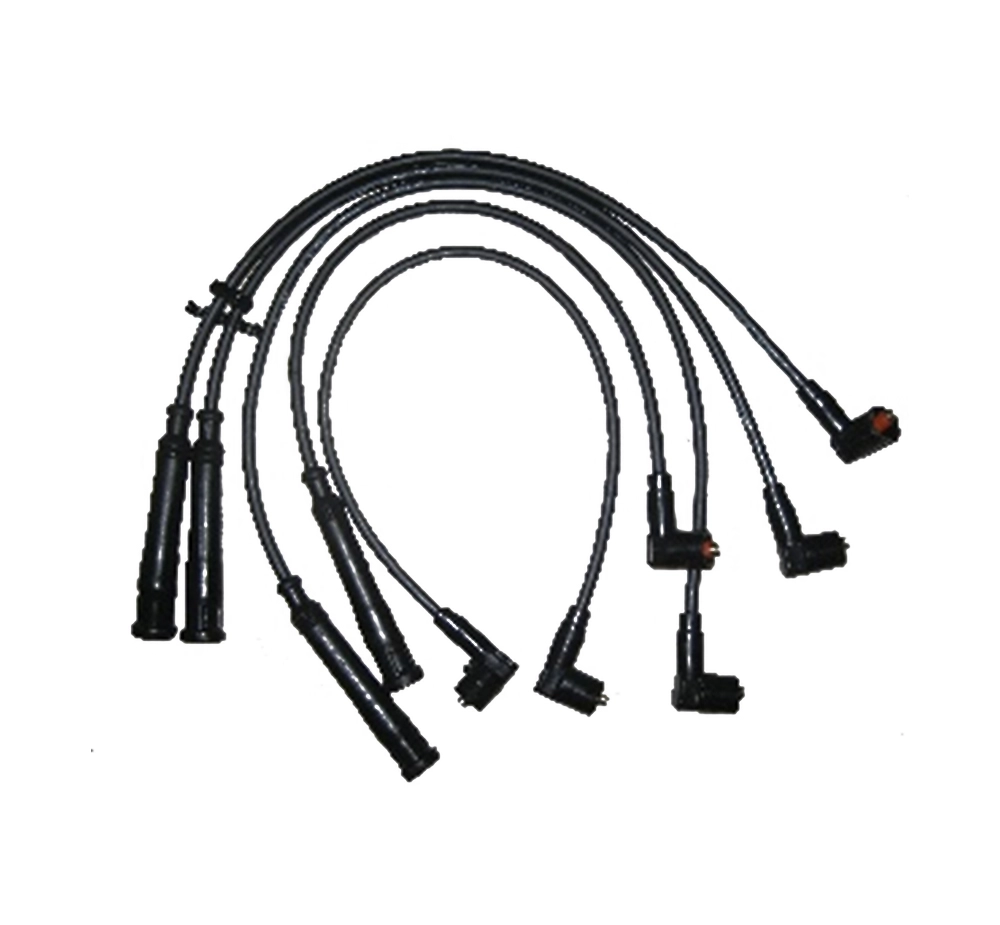
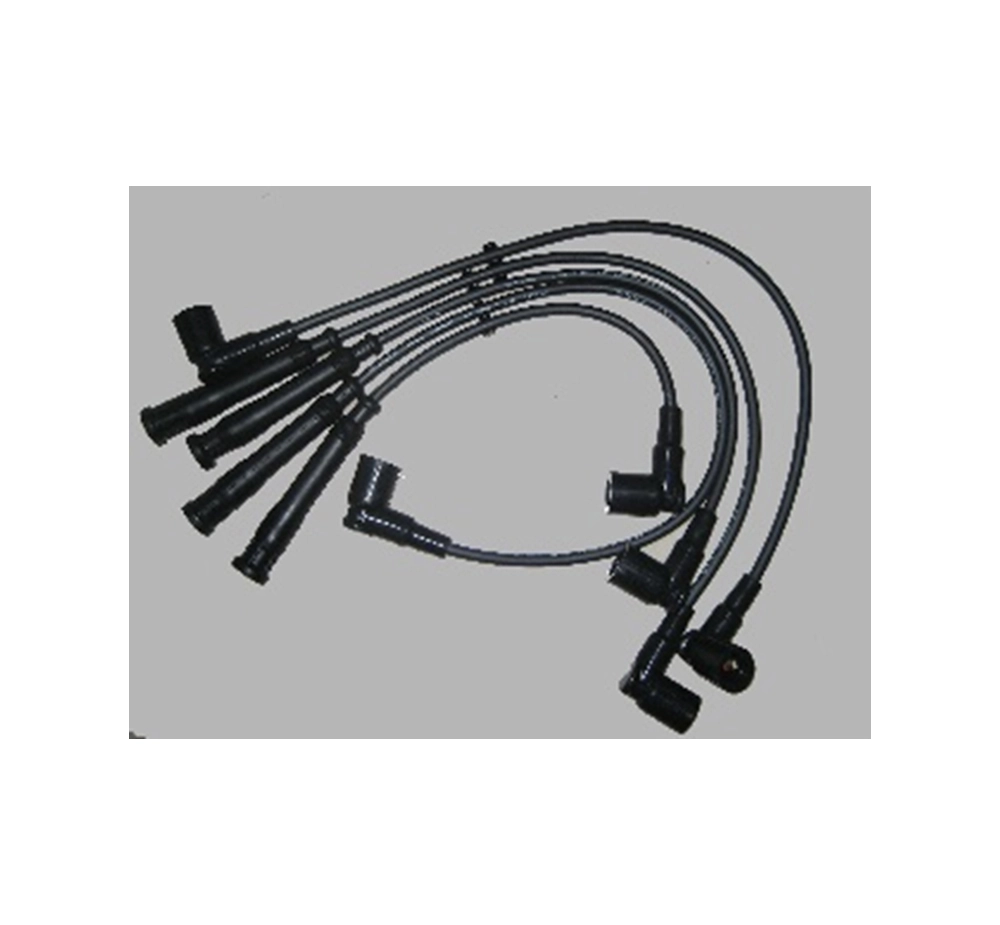
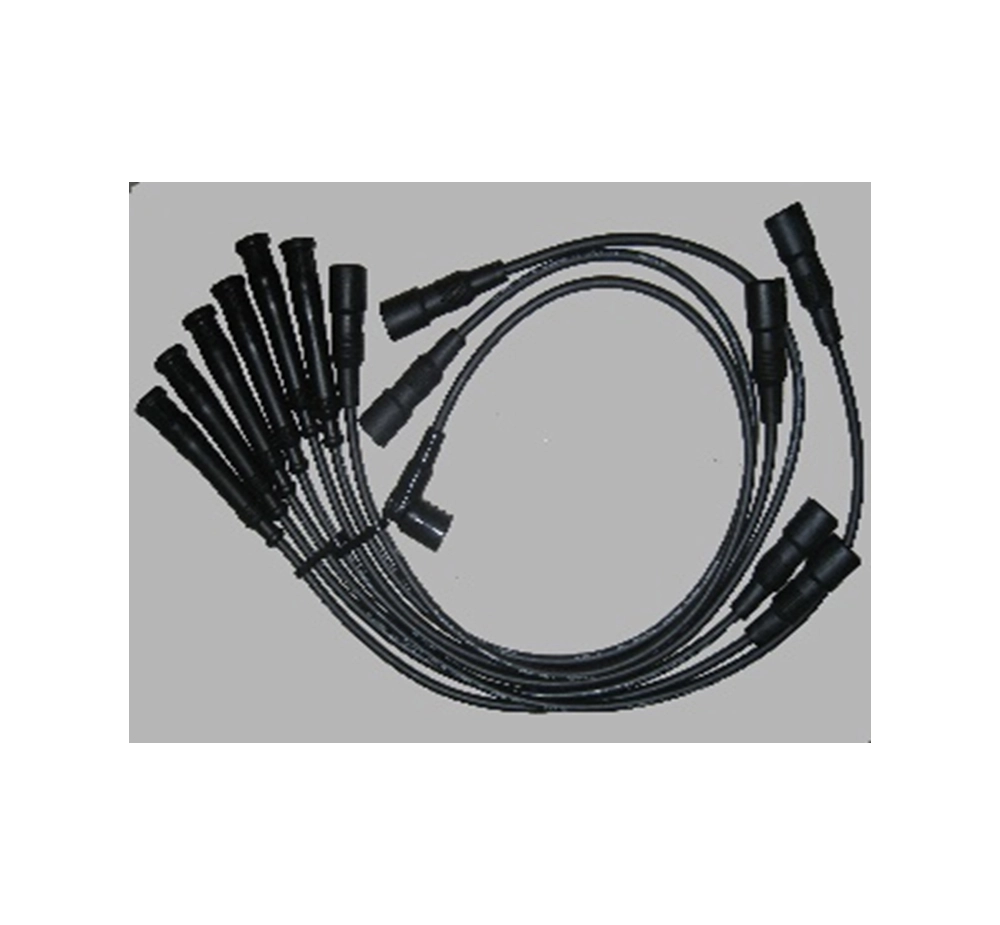
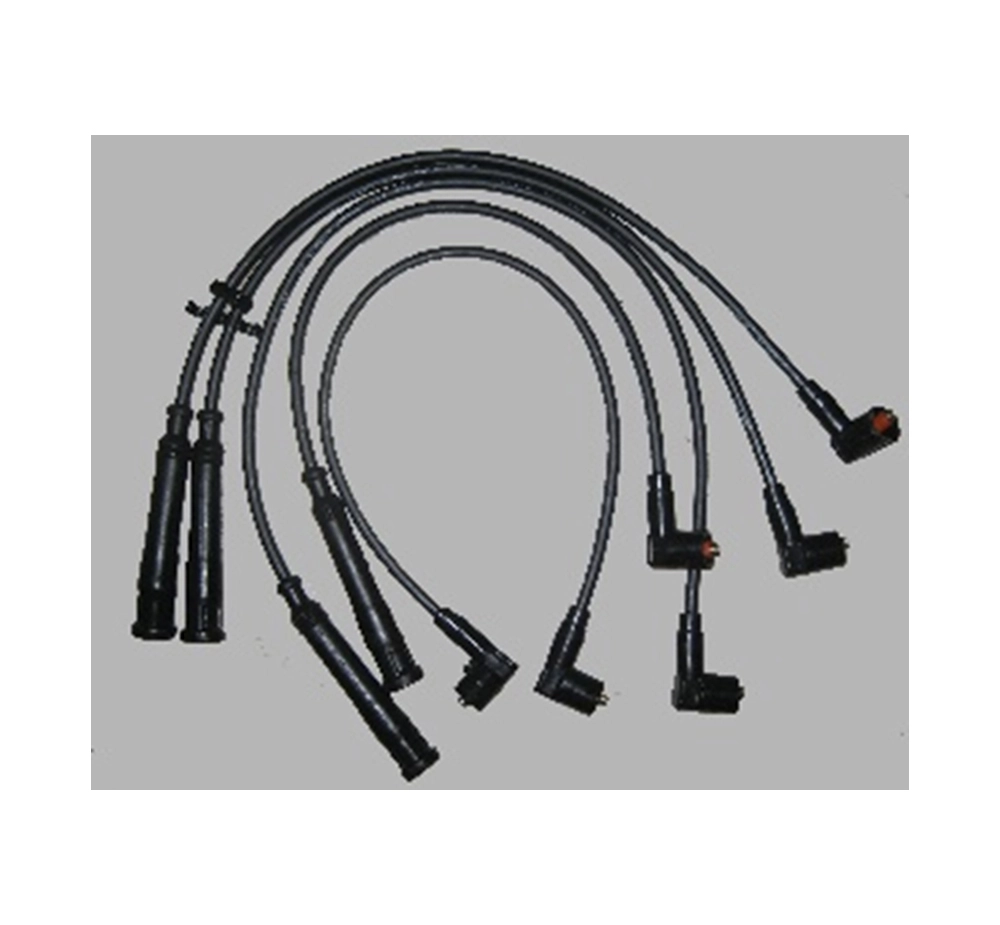
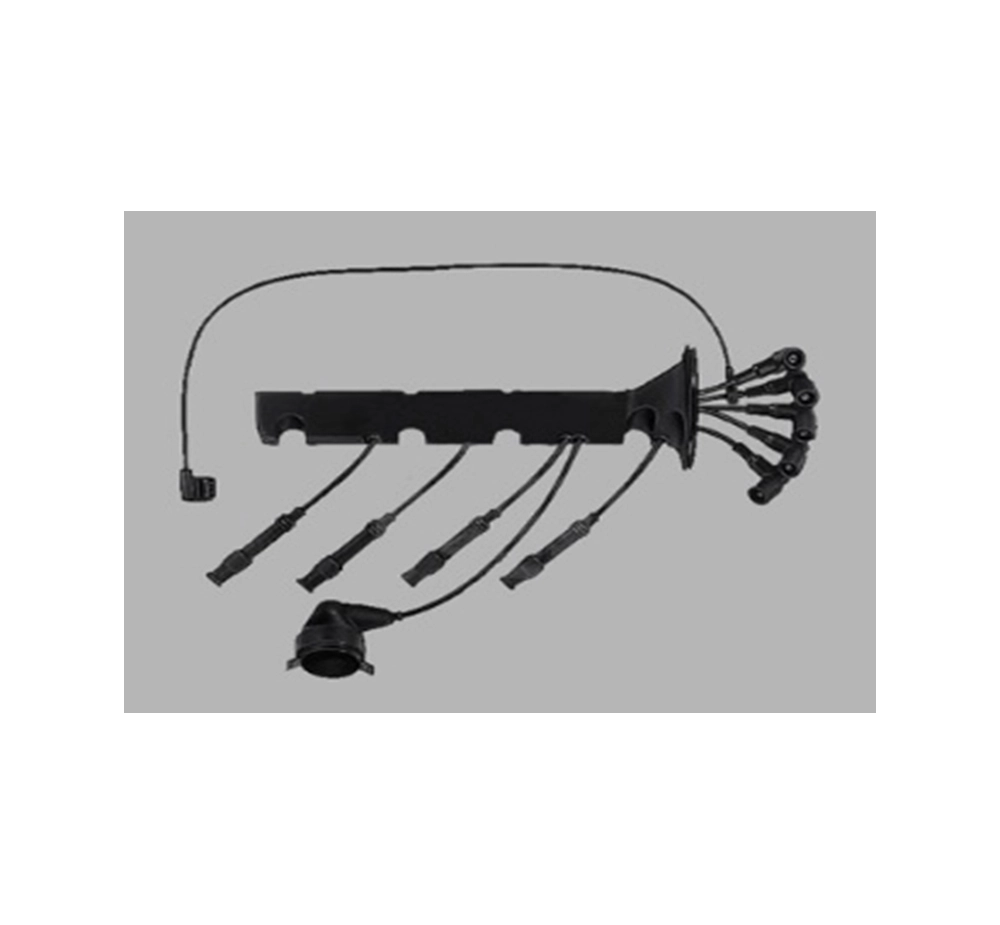
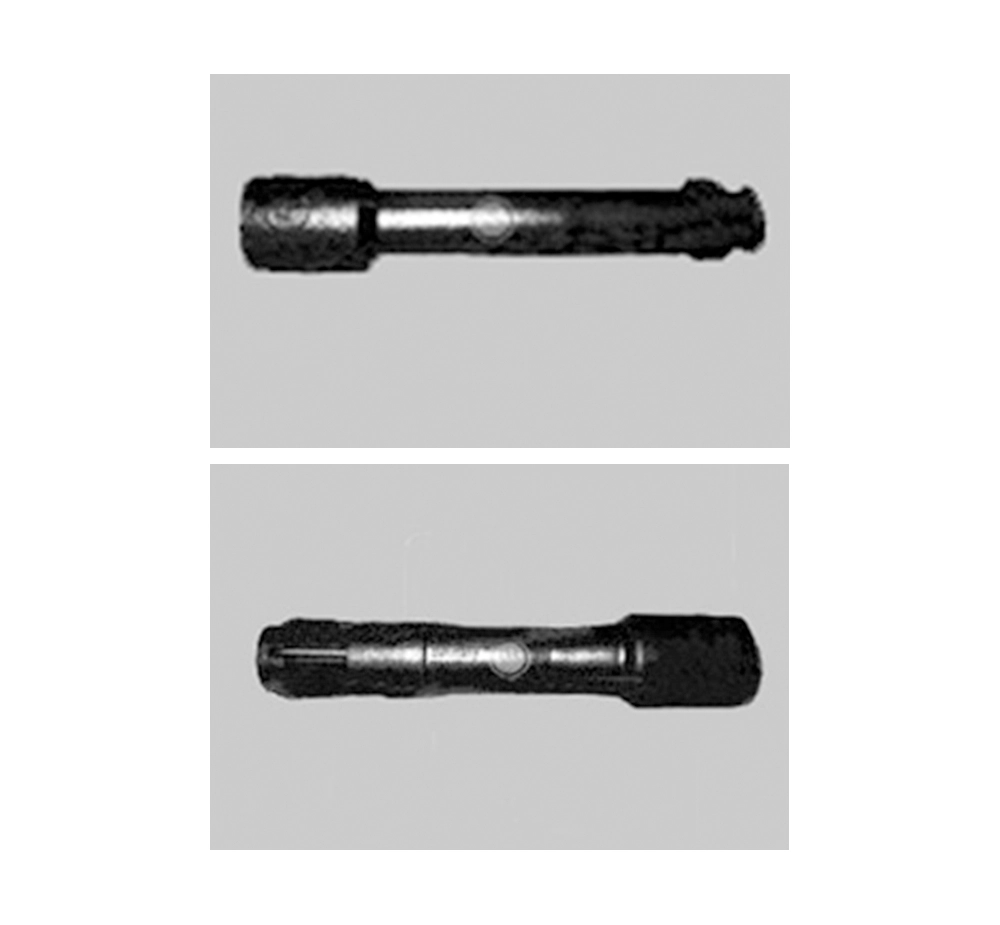
| OEM | OEM | OEM | OEM |
| 0356901819 | ZEF1236 | 12121726037 | O300 890 467 |
| ZEF467 | 12 12 1 277 632 | 12 12 1 355 180 | 12 12 1717646 |
| 12 12 1 727 686 | ZEF607 | 0 986 356 325 | RC-BW222 |
| 12 12 1717646 | 0300 890 607 | 0 356 901 808 | 12 12 1 705 697 |
| EPS 1500 572 | ZEF697 | 12 12 1 362 989 | ZEF 1402 |
| 0 986 356 327 | 12 12 1 359 991 | 0 986 356 382 | ZK912 |
| 12 12 1 705 714 | 12 12 1 716 939 | 0 356 901 820 | 0 356 901 82 |
| 12 12 1 717 206 | 12 12 1 705 718 | 12 12 1 727 855 | 12121727627 |
| 12121247361 | 12 13 1 730 521 | 12 13 9067 831 | EPS 1499 069 |
| 12 12 1 247 524 | KW 360 921 | 12 12 1 710 591 | 12 12 1 710 662 |
| KW 359 584 | 12 12 1 710 664 | 12 12 1 714 154 | 12 12 1 720 529 |
| 12 12 1 726 037 | 0 356 901 819 | 12 12 1 735 216 | 12 12 1 735 217 |
| 12 12 1 727 670 | 12 12 1 735 215 | 12 12 1 727 928 | 12121721934 |
| 12 12 1 247 523 | 12 12 1 266 705 | 12 12 1 279 550 | ZEF727 |
| 12 12 1 705 716 | T030B | 12 12 1 714 154 | 12 12 1 710 664 |
| 12 12 1 721 932 | 12 12 1 725 039 | 12 12 1 727 840 | 0 986 356 392 |
| 12 12 1 733 020 | 12121735216 | 12121734098 | T033B |
| 12 12 1 361 218 | ZEF425 | 0 300 890 425 | RC-BW1101 |
| ZK913 | 12 12 1 705 716 | 12 12 1 270 650 | 12 12 1 279 550 |
| 12 12 1 270 550 | DRL344 | 12121705714 | ZE719 |
| RC-BW230 | 169 Rohr | ZK912 | 0 986 356 382 |
| 12121714154 | 12121720529 | 12121726037 | 12121720530 |
| 12121735216 | 12121710664 | 12121720154 | 300891236 |
| 0300890219 | ZEF1236 | ZE757 | 300890115 |
| 0 986 356 326 | ZE759 | ZE763 | RC-BW224 |
| 160 Rohr | 571A100 | 300891402 | 300890234 |
| 0986356327 | 12121716939 | 12121717206 | OES512T |
| OEF077T | OEK408T | 73649T | 12 12 1 727 686 |
| 12121717646 | ZEF607 | 12 12 1 727 855 | 300890607 |
| 0300890261 | 0300890610 | ZE599 | ZE599/607/610/611 |
| SSET116 | DKC117 | 12121727627 | ZK905i |
| RC-BW222 | HR2 | LS-211/190 | ZEF406 |
| 12 12 1 247 512 | 12 12 1 247 513 | 12 12 1 247 523 | 12 12 1 247 526 |
| 0 300 891 182 | 1721613 | ZEF470 | 300890470 |
| 1161500018 | 1161504618 | ZEF669 | 1161501219 |
| 1161501319 | 0356912872 | ZEF1040 | 0 356 912 842 |
| 0 986 356 707 | ZEF1402 | 12 12 1 359 991 | 12 12 1 362 989 |
| 12 12 1 722 253 | 1801-0124 | 12121266705 | 12121705623 |
| 12121710591 | 12122296085 | 12121705697 | 0 356 901 808 |
| BR260 | 12 12 7 513 035 |
Modern BMW engines require precise ignition performance to maintain smooth acceleration, efficient fuel combustion, and stable engine operation. High-quality BMW Ignition Lead Sets play a critical role in transferring high voltage from the ignition coil to the spark plugs with minimal energy loss. Designed for demanding engine conditions, these ignition lead sets help ensure consistent spark delivery and reliable combustion performance.
Engineered for durability and compatibility, BMW ignition lead sets are suitable for various BMW models and are manufactured to meet the performance requirements of modern ignition systems. Their optimized insulation structure, conductive core materials, and heat-resistant outer layers help improve long-term ignition stability even under high-temperature engine environments.
Insulation is one of the most important factors affecting the performance and reliability of an ignition lead set. During engine operation, ignition leads must transfer extremely high voltage while being exposed to heat, vibration, moisture, and electromagnetic interference. Without proper insulation, voltage leakage may occur, reducing spark energy and affecting combustion efficiency.
High-quality insulation materials help maintain stable current transmission by preventing electrical loss between the ignition coil and spark plug. Effective insulation also protects the lead set from cracking, heat aging, and moisture penetration, which are common causes of ignition problems over time.
For modern BMW engines, stable insulation performance is especially important because ignition systems operate under higher temperatures and tighter electronic control requirements. Reliable insulation helps reduce misfires, improve engine starting performance, and support smoother acceleration. It also contributes to better fuel efficiency and lower emissions by ensuring more complete combustion inside the engine cylinders.
Excellent Electrical Conductivity
BMW Ignition Lead Sets are designed with high-conductivity core materials that help deliver stable ignition voltage with reduced resistance. Efficient current transfer improves spark consistency and supports smoother engine operation.
High Temperature Resistance
The ignition leads are manufactured using heat-resistant insulation materials capable of withstanding harsh engine compartment temperatures. This improves durability and helps maintain stable performance during long-term operation.
Enhanced Durability
Durable outer sheathing protects the ignition leads against vibration, abrasion, and environmental exposure. This helps extend service life and reduce the risk of premature ignition failure.
Precise Fitment for BMW Applications
Designed for compatibility with BMW ignition systems, these ignition lead sets provide secure connections and reliable installation. Accurate fitment helps ensure proper electrical contact and stable ignition performance.
Improved Ignition Stability
By minimizing voltage leakage and electrical interference, BMW Ignition Lead Sets help improve combustion efficiency, reduce misfires, and support better throttle response.
BMW Ignition Lead Sets are commonly used in various BMW passenger vehicles and performance-oriented engines that require dependable high-voltage transmission and consistent spark delivery. They are suitable for ignition system maintenance, replacement, and aftermarket repair applications.
With stable electrical performance and durable construction, BMW Ignition Lead Sets provide an effective solution for maintaining reliable engine ignition and long-term driving performance.
| Application | Auto Engine Parts |
| size | OEM Standard |
| Warranty | Two year or 50,000 km |
| Application | Auto Ignition System |
| Quality | 100% Professional Test |
| MOQ | 50 Pcs |
| Packing | Neutral Packaging or Customized box |
| Color | Picture Showing |
| Delivery time | 10-50 Days,usually depends on the quantity |
| Package | Neutral Packaging |
| Specifications: | |||
| Item Description: | Ignition Coil,Auto Ignition Coil | OEM No.: | New |
| Material: | Plastics & Metal&Copper | Condition: | |
| Pins: | Color | Picture Showing | |
| Warranty: | 2-years / 50,0000 kilometers | Car Fit: | For Cars |
| MOQ: | 100 | Size: | OEM Standard |
| Stocks: | Yes | Quanlity: | Excellent |
| Shipping Terms: | DHL,EMS,TNT,UPS,as your requirements | Payment Terms: | Western Union, T/T,L/C |
| Packing Details: | Neutral Packaging or Customized box | Delivery Time: | 20-40 days after order, usually depends on the quantity |