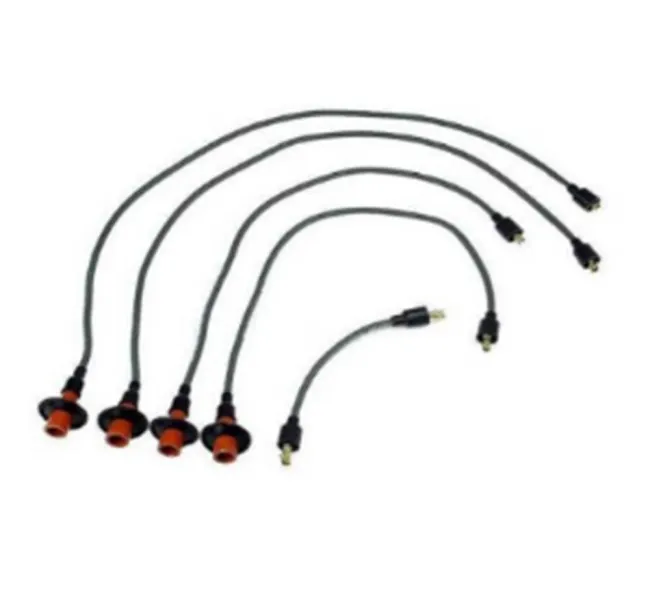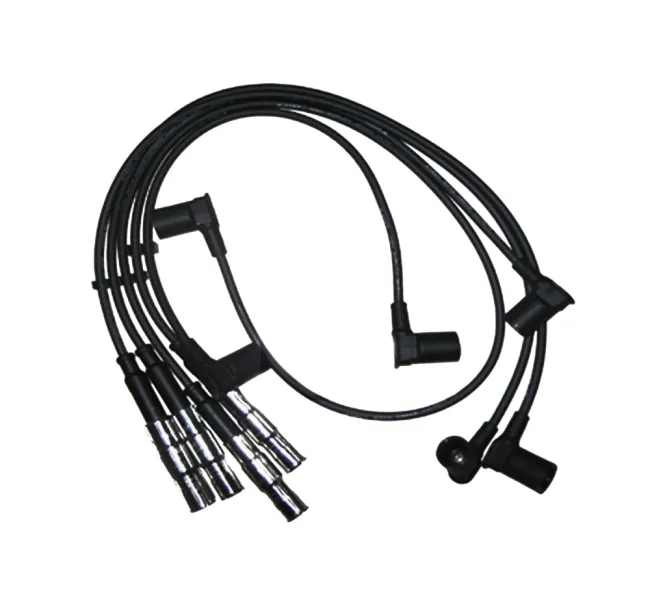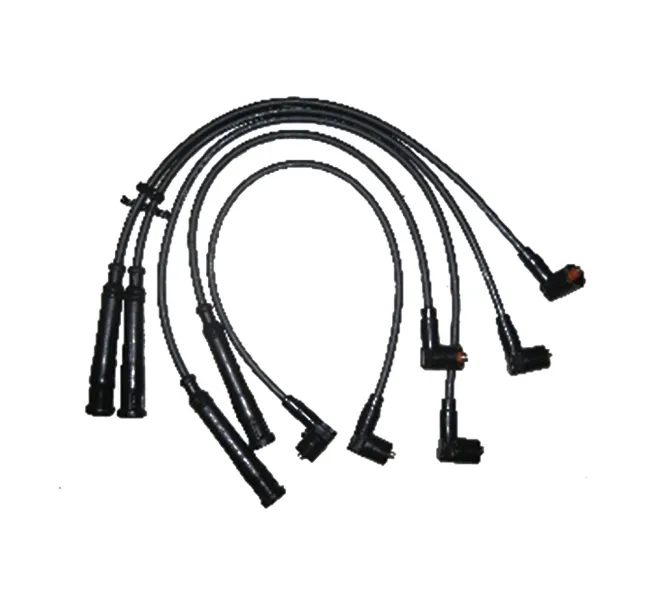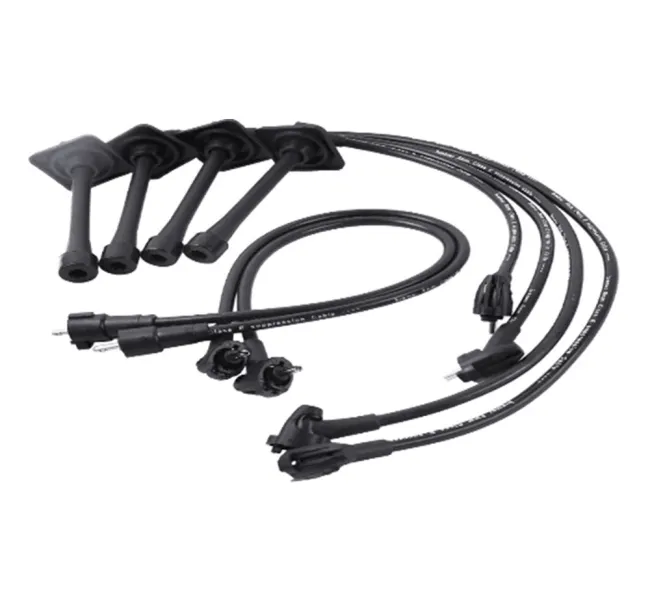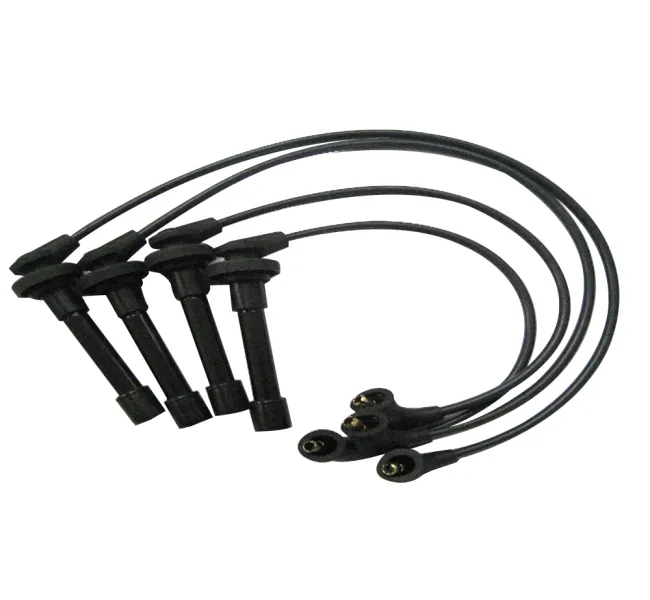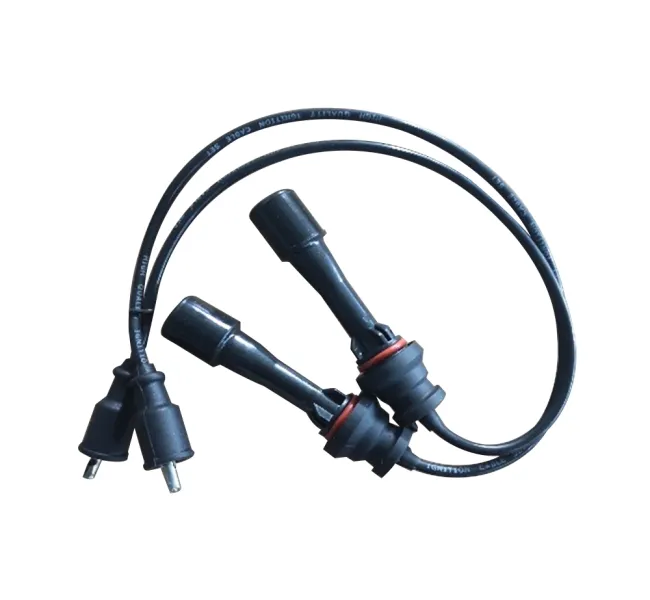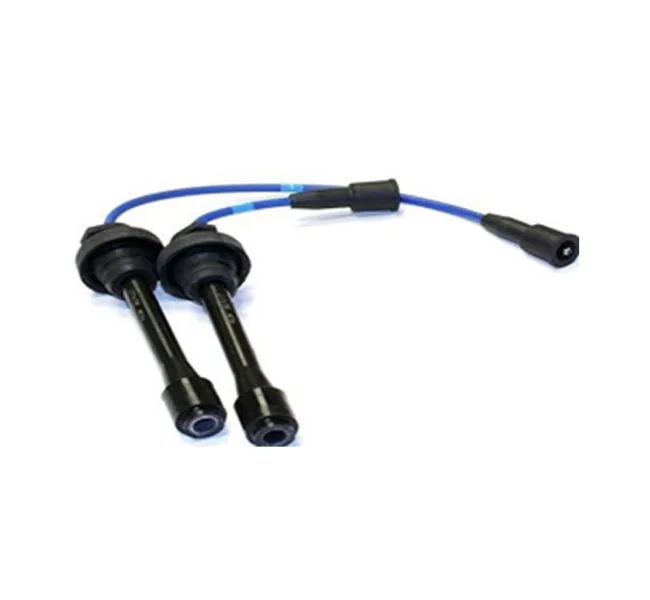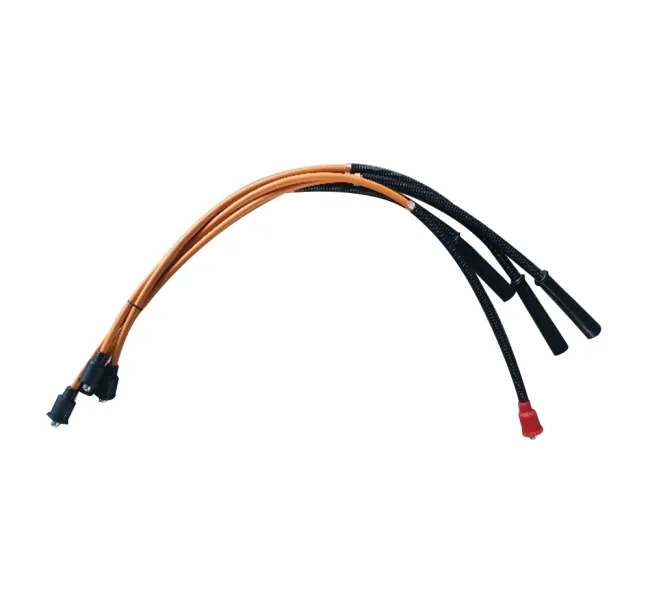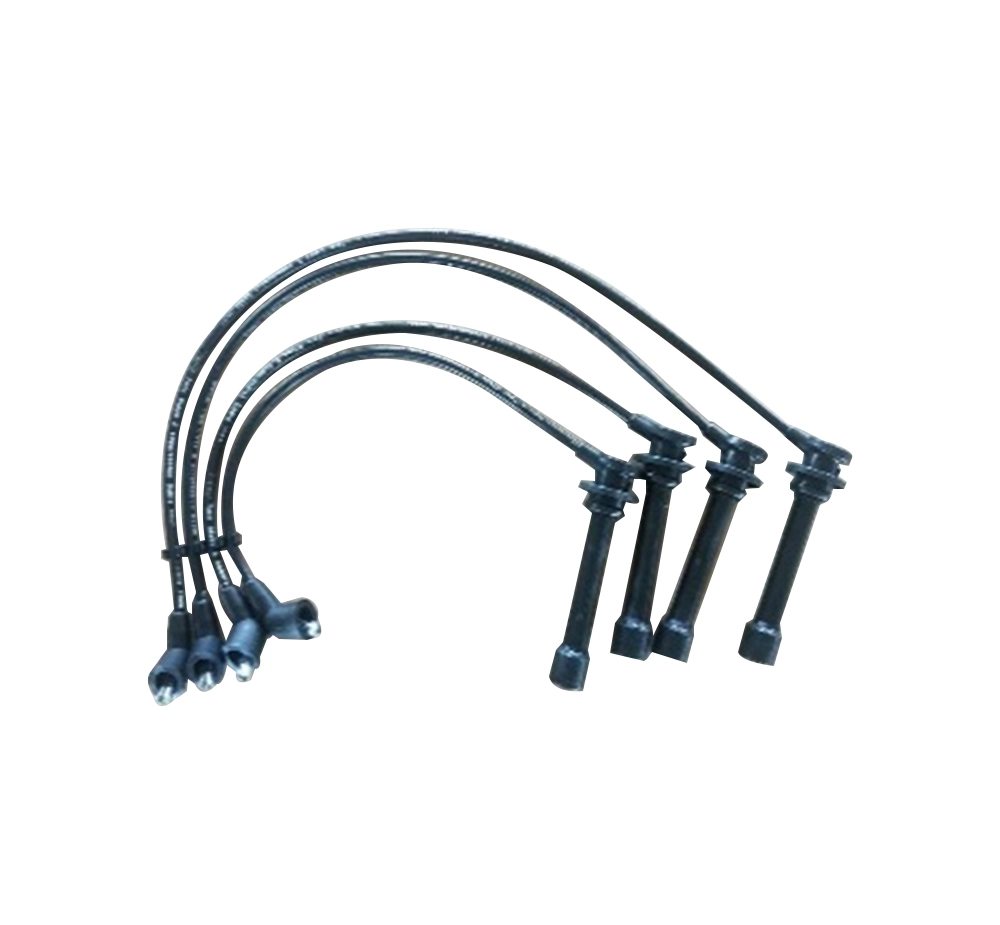
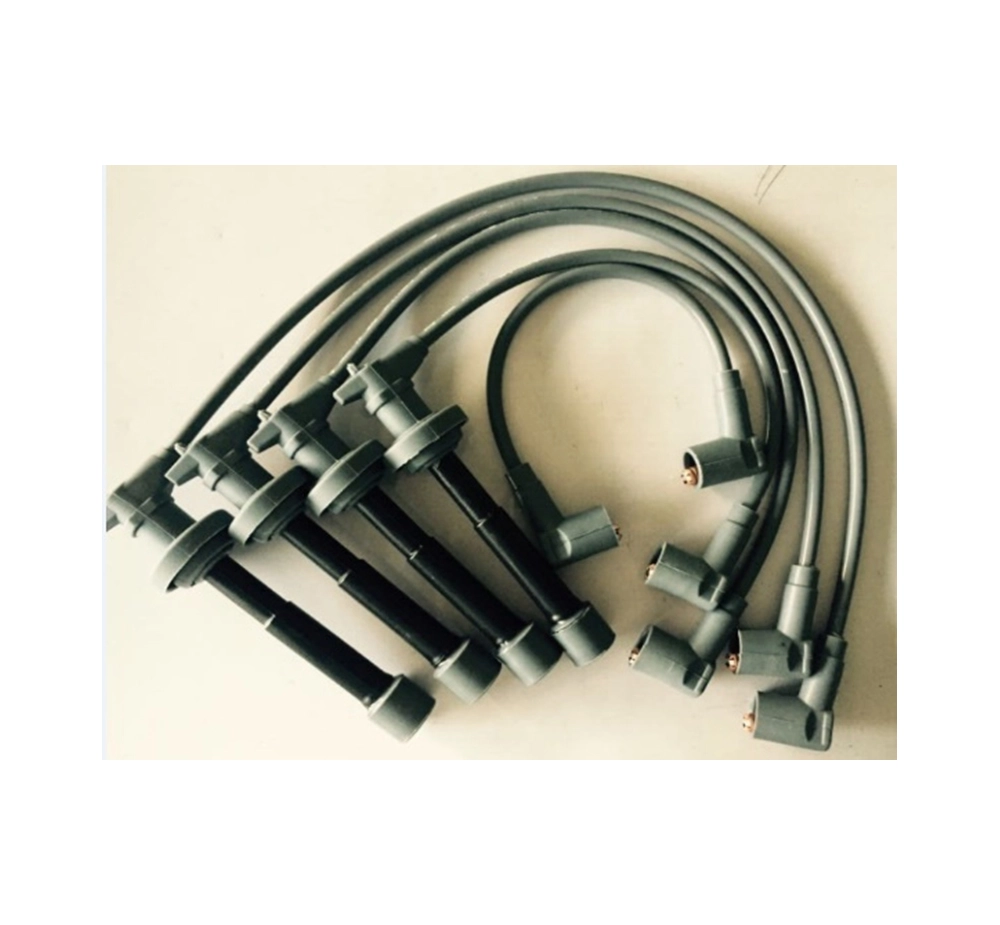
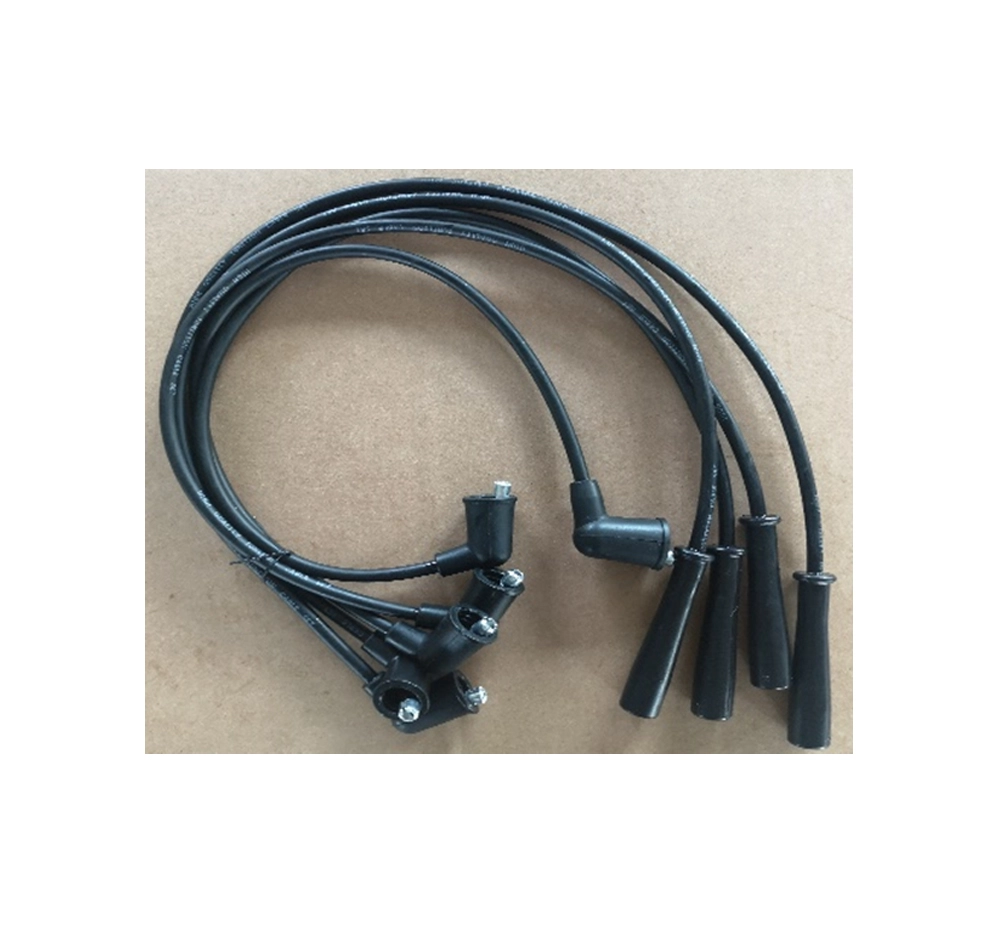
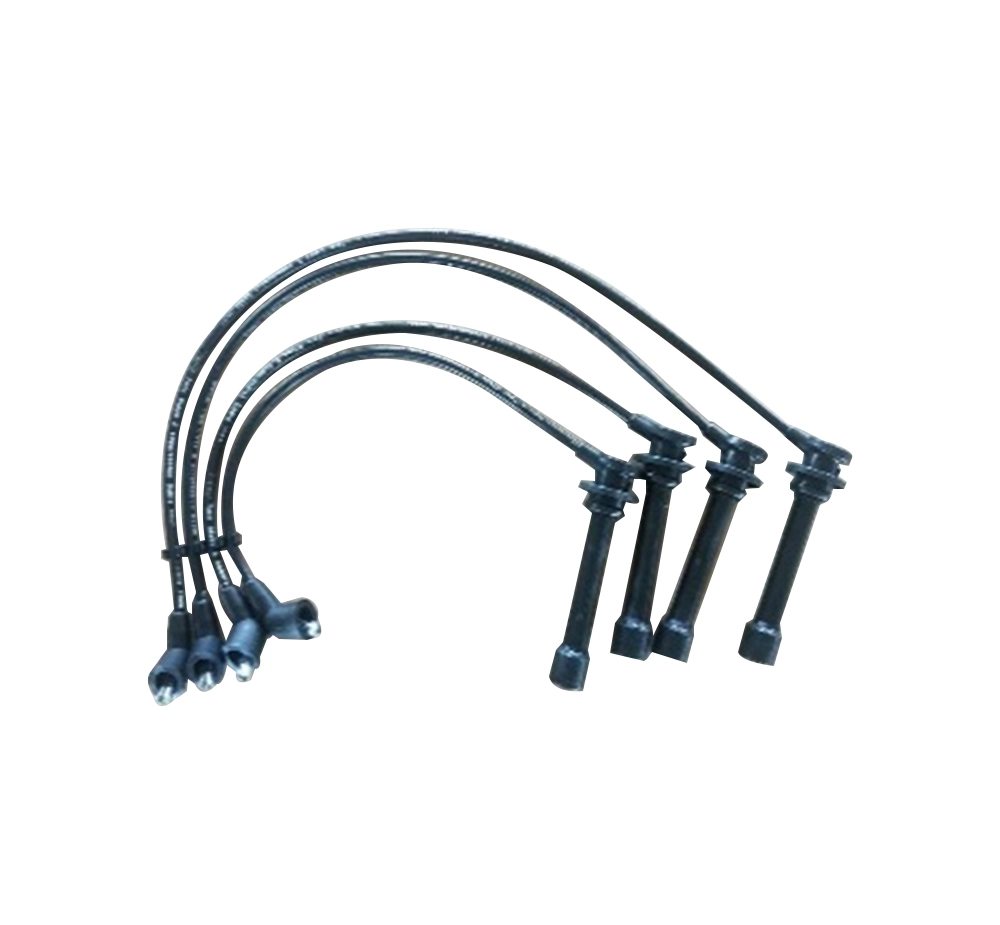
| OEM | OEM | OEM | OEM |
| 22440-57Y10 | 22440-73C00 | 22440-73C10 | 22440-86J10 |
| 1801-0182 | 22440-57Y10 | 22440-53Y11 | 1N01-18-140 |
| 1N02-18-140 | 22450-74Y25 | 22450-74Y26 | 22450-65Y25 |
| 22440-4B000 | 12487175 | 671-4199 | 22440-VJ202 |
| 671-4204 | 22440-3S500 | 22440-3S510 | 22440-3S515 |
| 16844R | 16854A | 8200506297 | 1801-0373 |
| 22440-4252R | 7700273826 | 8200506297 | ZEF1128 |
| 22450-00Q0B | 22450-17G25 | 22440-7B016 | 22440-7B025 |
| 22440-7B026 | 22440-7B027 | XF5Z12259AB | 22440-2Z025 |
| 12487251 | 22450-0W025 | 22440-4S125 | 22440-4S127 |
| 22440-4S126 | 22440-4S102 | 22440-9Z025 | 671-6201 |
| 671-6196 | 16836C | PI6047 | 22440-4S102 |
| 671-6197 | 22450-0B026 | 22450-0B025 | F3XY12259BA |
| 12487253 | 671-6192 | PI6076 | 22450-85G26 |
| E303-18-140D | ZE98-18-140 | 0000-18-098A | ZEF773 |
| 22450-01M25 | 22450-56A25 | 22450-15A25 | 22450-01A25 |
| 22450-15A27 | 22450-15A26 | 22450-01R25 | 22450-15A85 |
| 22450-01B26 | 22450-15A28 | 22450-15M25 | 22450-34A25 |
| 82 00 805 133 | 82 00 486 877 | 22450-00Q0A | 22450-00Q0C |
| 22450-00QAA | ZEF1602 | CLS083 | ZK1587 |
| 22450-89J25 | 22450-70J25 | 22440-89J25 | 22450-70J25 |
| 22440-70J25 | 22440-2F200 | 22440-2J210 | 22440-86J00 |
| 22440-1S700 | 22440-1S710 | 22440-8B000 | 1 961 207 |
| 22450-53A25 | 8200713680 | 22440-4659R | ZEF1604 |
| 22450-D3526 | 22450-36A25 | 22450-69A25 | 22450-15A85 |
| 22450-03A25 | 22450-69A25 | 12487182 | 671-4193 |
| ZEF898 | 22450-16B27 | 22450-19B27 | 1 960 394 |
| 24488-00QAA | 8200713680 | 22450-17G26 | 2X1556 |
| 22450-85E25 | 22450-88G25 | PI6069 | RC-NX97 |
| RC-NX93 | 16836A | 250079249 | ZEF900 |
| 0 986 357 177 | 1614-8001 | 600/405 | JPE140 |
| JP140 | ICK-6509 | SPC5720 | IC900102 |
| 22450-36N28 | 22450-38N28 | QW1485 | 671-4210 |
| 22440-9Z060 | 22440-99B05 | 22440-99B00 | 22440-99B06 |
| 22450-53J25 | 22450-53J26 | 22450-53J27 | 22450-0E025 |
| 22440-0M802 | 22450-54C27 | 22450-0E028 | 22450-53J28 |
| 22450-89J26 | ZEF896 | 986356821 | 22450-2B525 |
| 671-4190 | 22450-1E425 | 22450-53F25 | 671-4195 |
| 22450-36N25 | B11 B12 | 22451-AA040 | 22451-AA100 |
| Z24 NISSAN OLD | Z24 NISSAN NEW | 671-419 | 22450-40F25 |
| 2X1336 | EE80 | EE80/90 | 22450-L1125 |
| 671-4202 | 22450-02F26 | 22450-04F25 | 22450-50K50 |
| 22450-21029 | 22450-B5040 | 22450-80W25 | 22450-N8225 |
| 22450-W1625 | 22450-W1627 | 671-4206 | 22450-04W25 |
| 22450-B9126 | 22450-N7125 | 22450-U6725 | 22450-U9525 |
| 671-4218 | 671-4197 | 22450-07W26 | 22450-07W27 |
| 22450-80W25 | 22450-W8927 | 22450-24C25 | 22450-05N25 |
| 22450-G3225 | 22450-G1625 | 22450-54L25 |
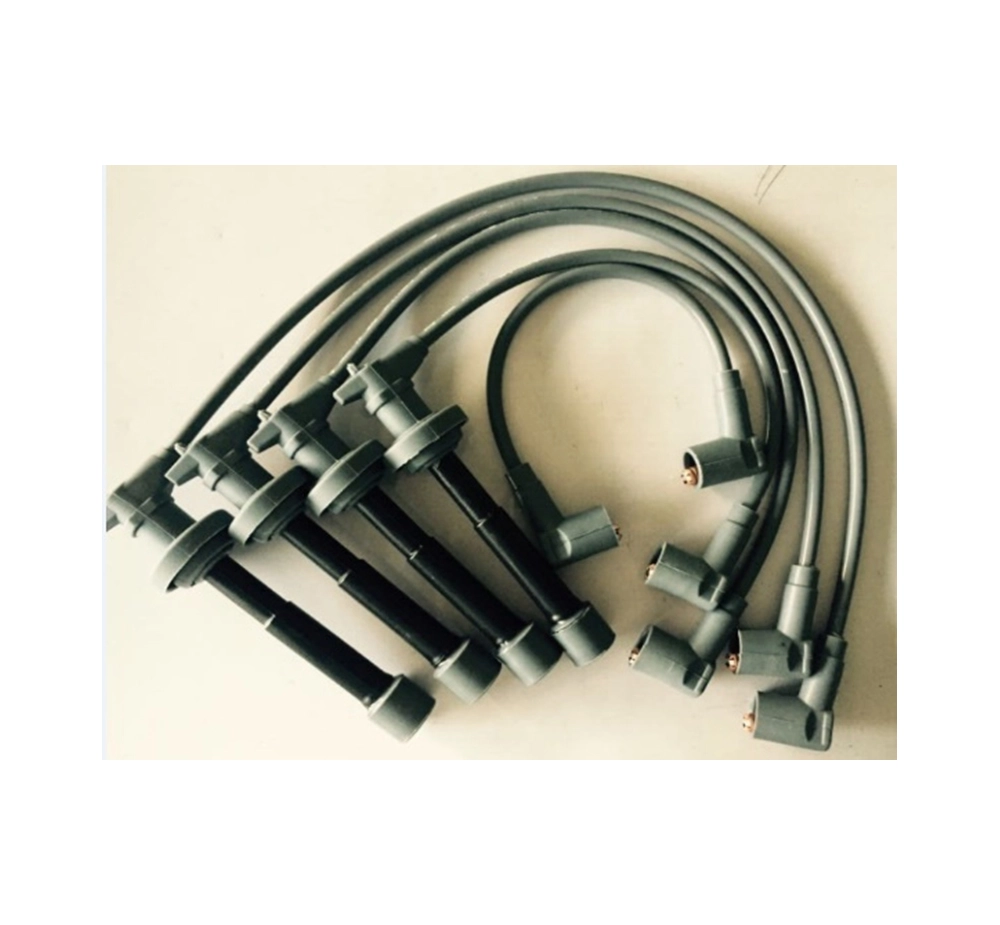
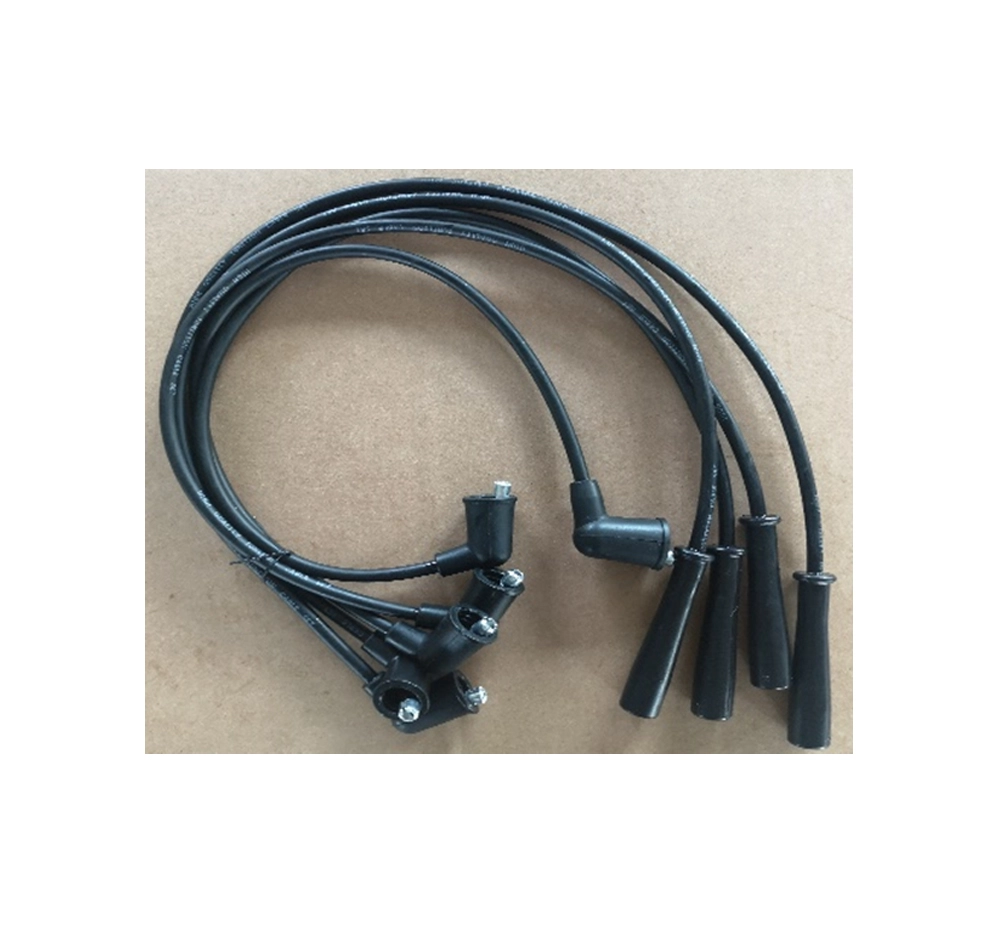
Modern ignition systems depend on stable electrical transmission to achieve efficient combustion and smooth engine operation. High-quality ignition lead sets play an important role in transferring high voltage from the ignition coil to the spark plugs with minimal energy loss. Designed for durability and reliable conductivity, Nisssan Ignition Lead Kits provide dependable ignition performance for a wide range of Nissan vehicles.
Manufactured with heat-resistant insulation materials and precision-engineered connectors, these ignition lead kits help maintain stable spark delivery under demanding engine conditions. Their durable construction improves resistance to vibration, moisture, and high engine temperatures, helping reduce ignition interruption and misfire risks during daily driving.
The performance of an ignition lead set directly affects ignition stability and engine efficiency. High-resistance or damaged ignition wires may cause unstable spark generation, reduced acceleration performance, and increased fuel consumption.
Key advantages include:
▶ Stable high-voltage transmission
▶ Strong insulation performance
▶ Excellent resistance to heat and wear
▶ Reduced electromagnetic interference
▶ Reliable connection between ignition coil and spark plug
▶ Long service life under harsh engine conditions
These characteristics make Nisssan Ignition Lead Kits suitable for both replacement maintenance and long-term ignition system reliability improvements.
Fuel combustion efficiency depends heavily on the quality and consistency of the ignition spark. Ignition lead sets are responsible for transmitting high voltage from the ignition coil to the spark plugs, and any voltage loss during this process can directly affect combustion quality.
When ignition leads provide stable electrical conductivity, the spark plug can generate a stronger and more consistent spark inside the combustion chamber. This allows the air-fuel mixture to ignite more completely, improving combustion efficiency and helping the engine produce smoother power output. In contrast, worn or low-quality ignition wires may cause voltage leakage, delayed ignition timing, or incomplete combustion.
Efficient ignition transmission can also help reduce engine misfires, improve throttle response, and support better fuel economy during everyday driving. High-quality ignition lead kits are particularly important for engines operating under high temperatures or heavy load conditions because ignition stability becomes more critical as combustion pressure increases. Reliable ignition performance ultimately contributes to smoother engine operation, lower fuel waste, and improved overall driving performance.
High engine temperatures and continuous vibration place significant stress on ignition components. These ignition lead kits are designed with durable insulation materials that help protect against cracking, electrical leakage, and premature wear. Precision-fit terminals also help ensure secure installation and stable electrical contact.
In addition, the optimized cable structure helps maintain efficient current transfer while minimizing signal interference within the ignition system. This contributes to more reliable spark delivery and improved engine consistency over time.
Compatible with various Nissan vehicle applications, Nisssan Ignition Lead Kits provide a practical solution for maintaining ignition system efficiency and supporting long-term engine reliability.
| Application | Auto Engine Parts |
| size | OEM Standard |
| Warranty | Two year or 50,000 km |
| Application | Auto Ignition System |
| Quality | 100% Professional Test |
| MOQ | 50 Pcs |
| Packing | Neutral Packaging or Customized box |
| Color | Picture Showing |
| Delivery time | 10-50 Days,usually depends on the quantity |
| Package | Neutral Packaging |
| Specifications: | |||
| Item Description: | Ignition Coil,Auto Ignition Coil | OEM No.: | New |
| Material: | Plastics & Metal&Copper | Condition: | |
| Pins: | Color | Picture Showing | |
| Warranty: | 2-years / 50,0000 kilometers | Car Fit: | For Cars |
| MOQ: | 100 | Size: | OEM Standard |
| Stocks: | Yes | Quanlity: | Excellent |
| Shipping Terms: | DHL,EMS,TNT,UPS,as your requirements | Payment Terms: | Western Union, T/T,L/C |
| Packing Details: | Neutral Packaging or Customized box | Delivery Time: | 20-40 days after order, usually depends on the quantity |