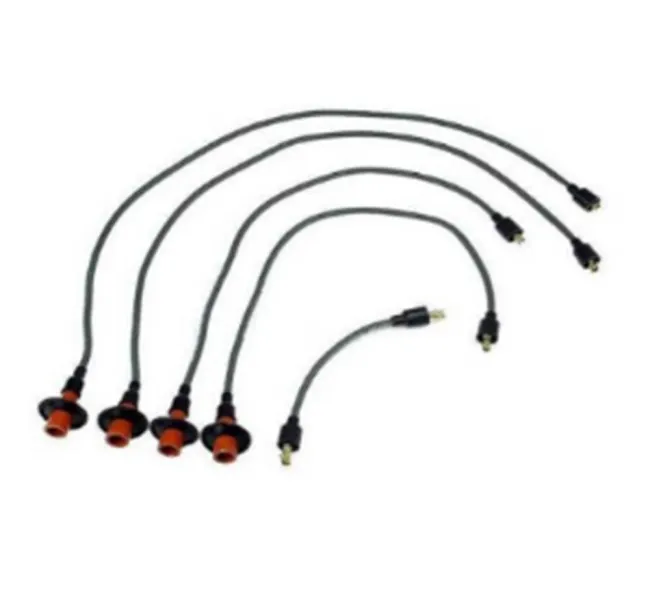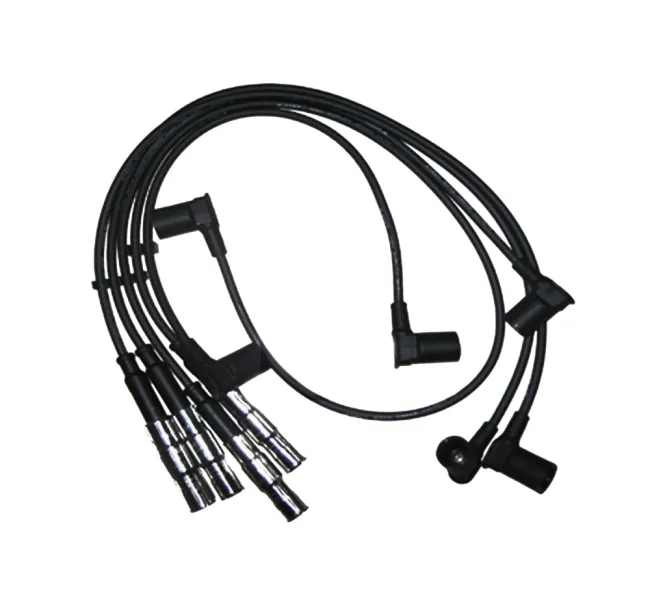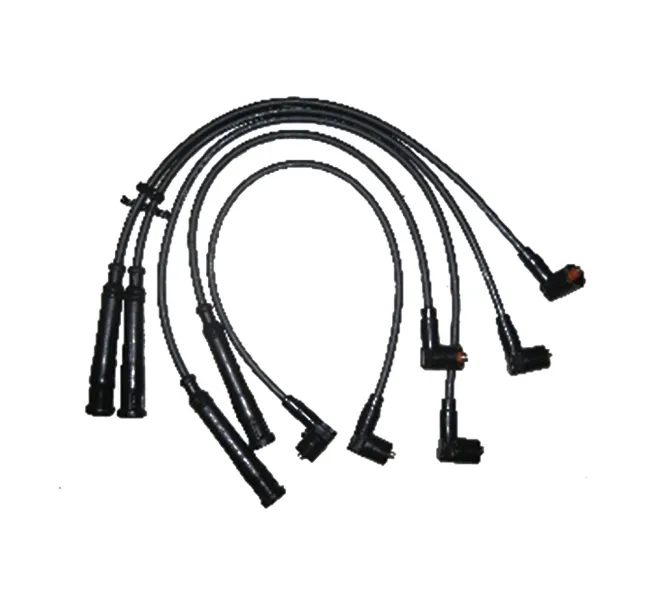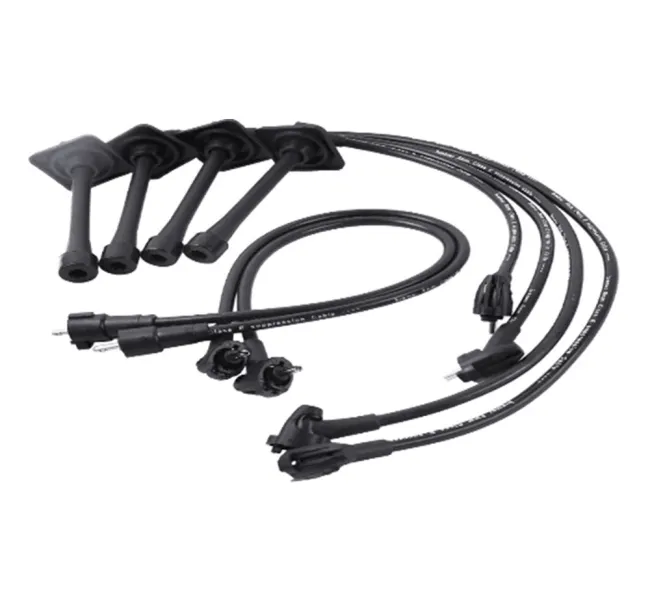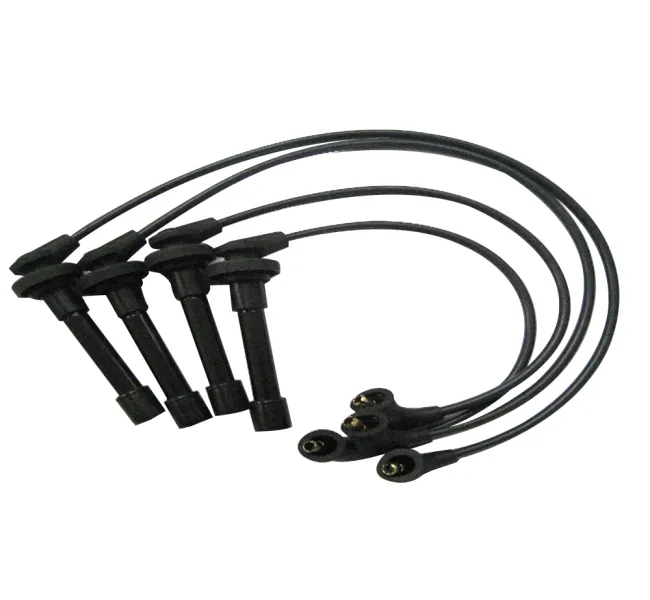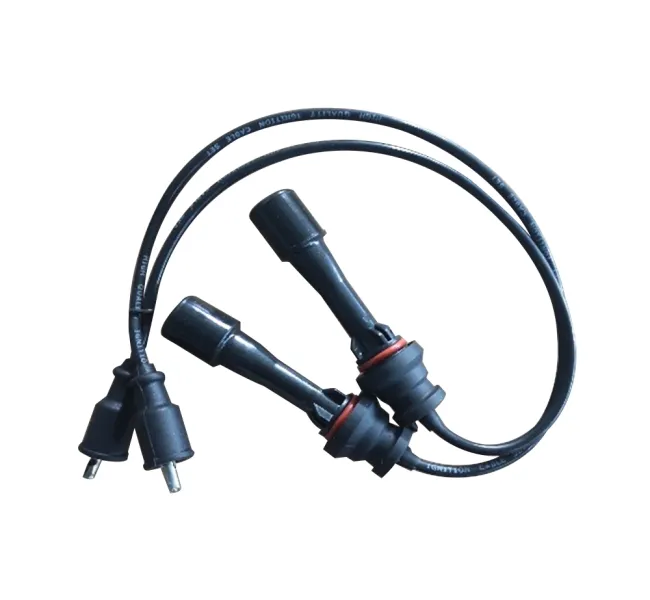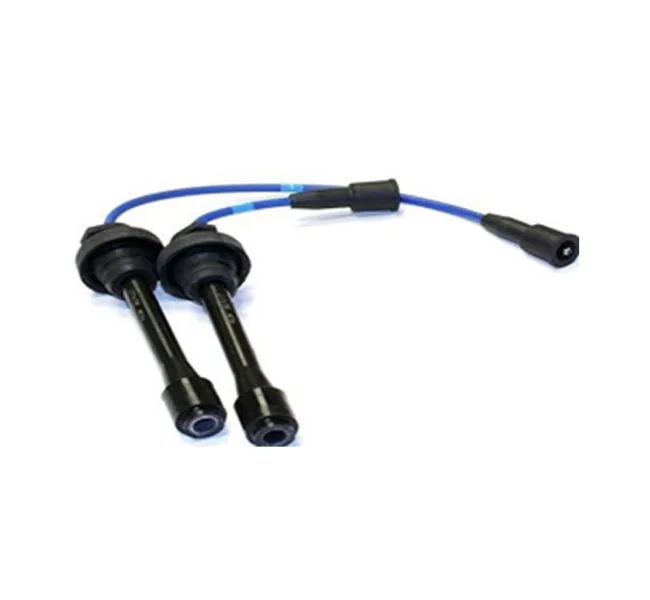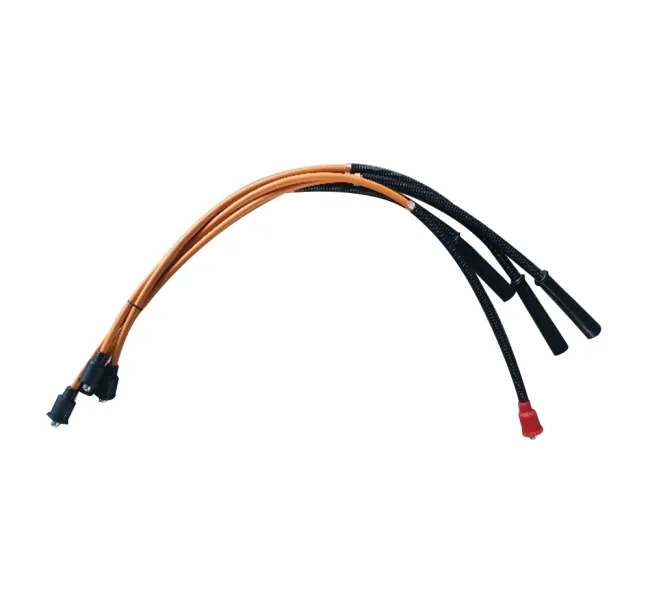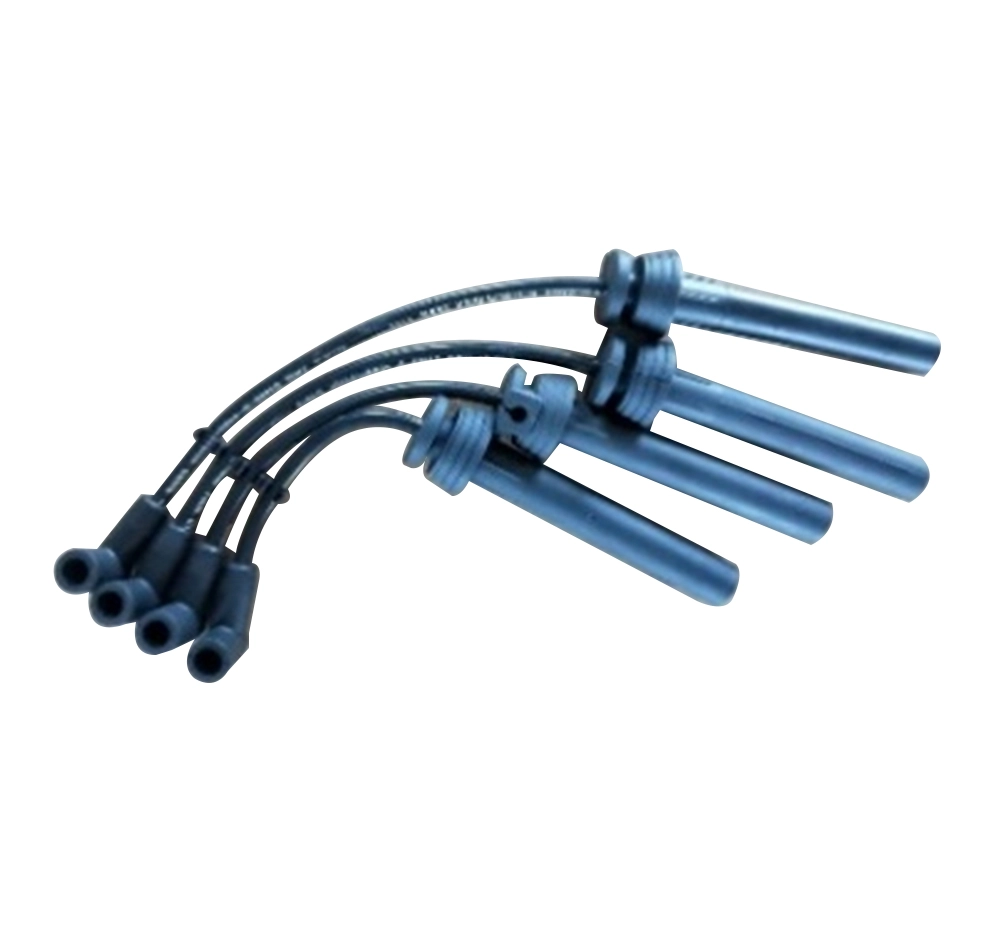
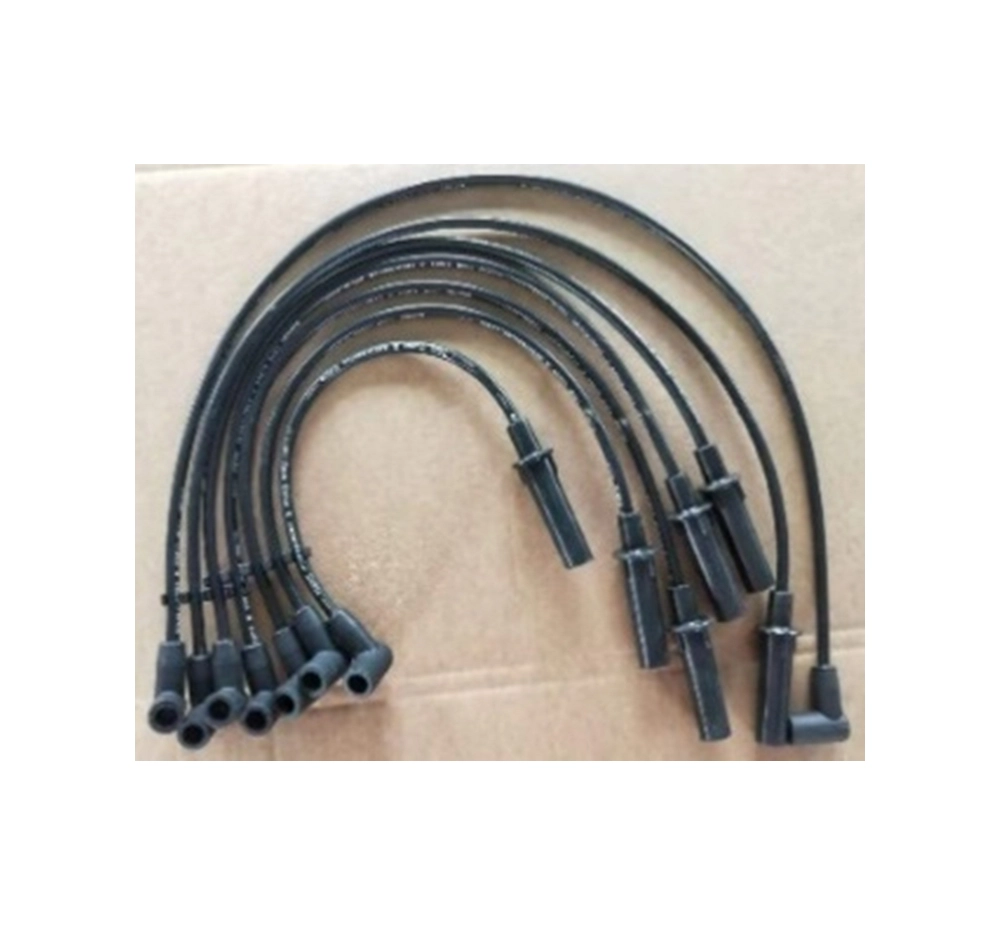
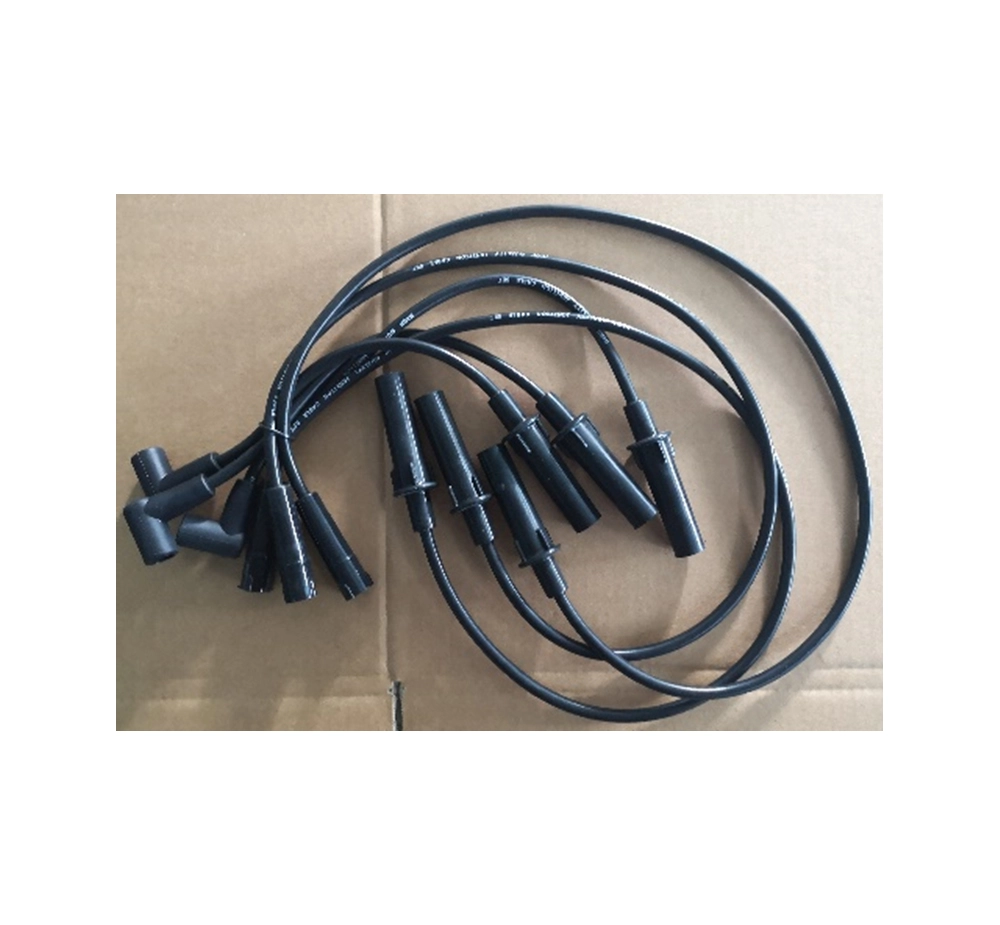
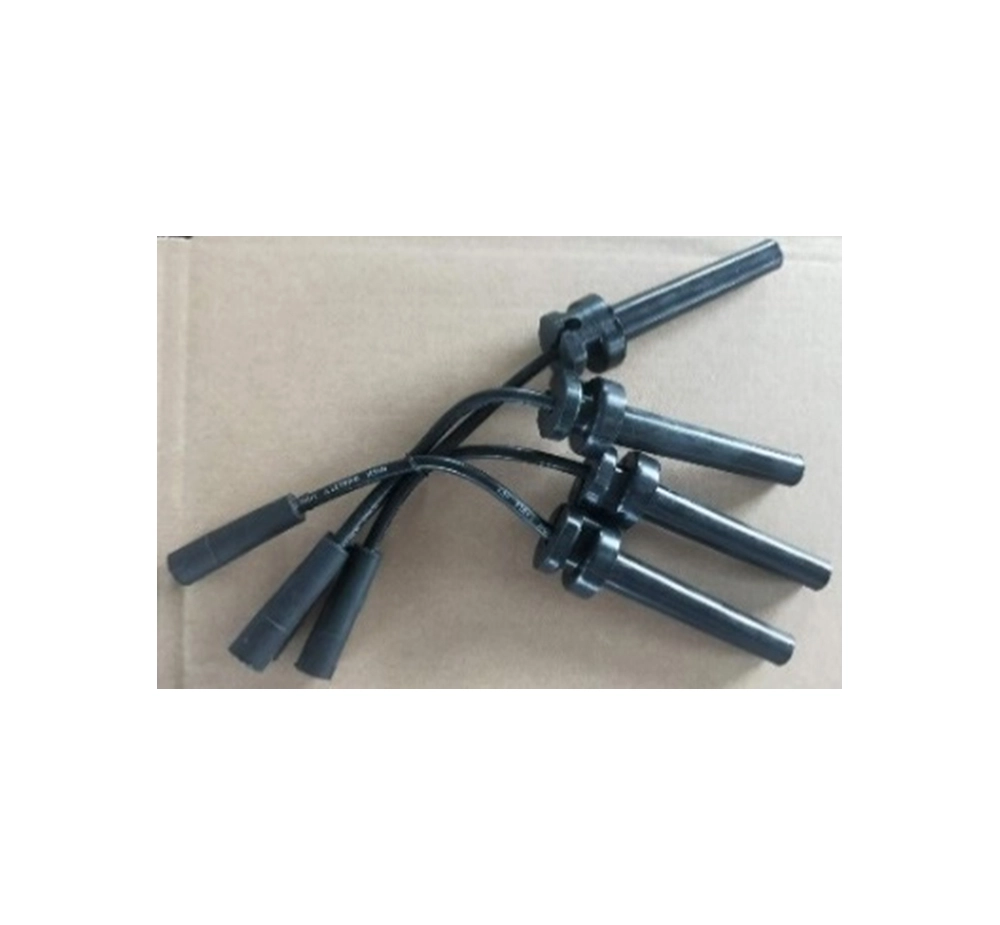
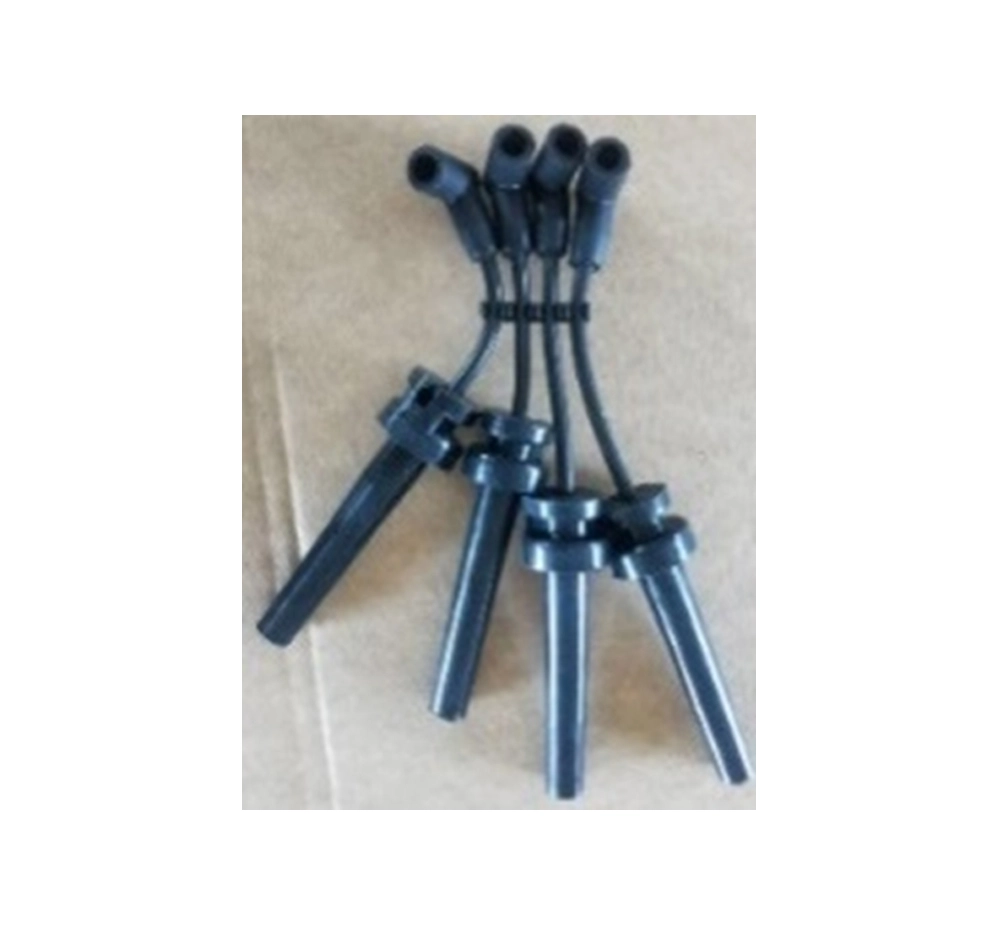
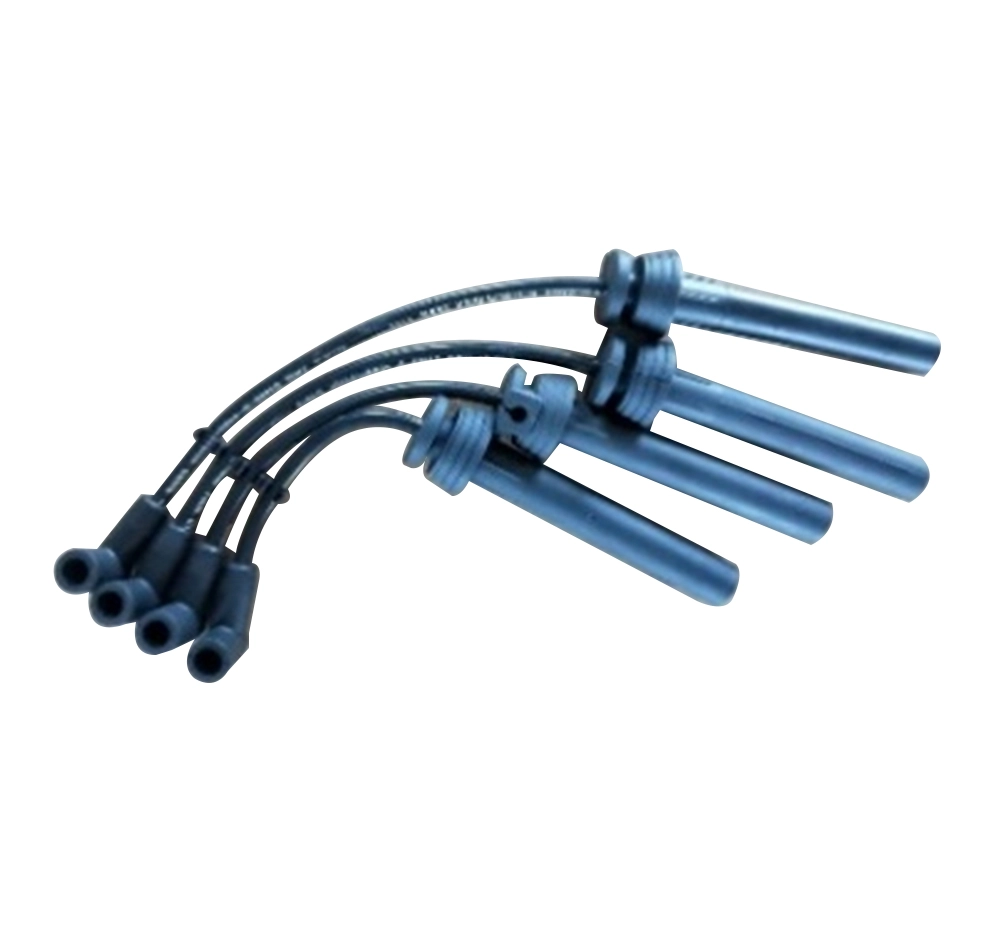
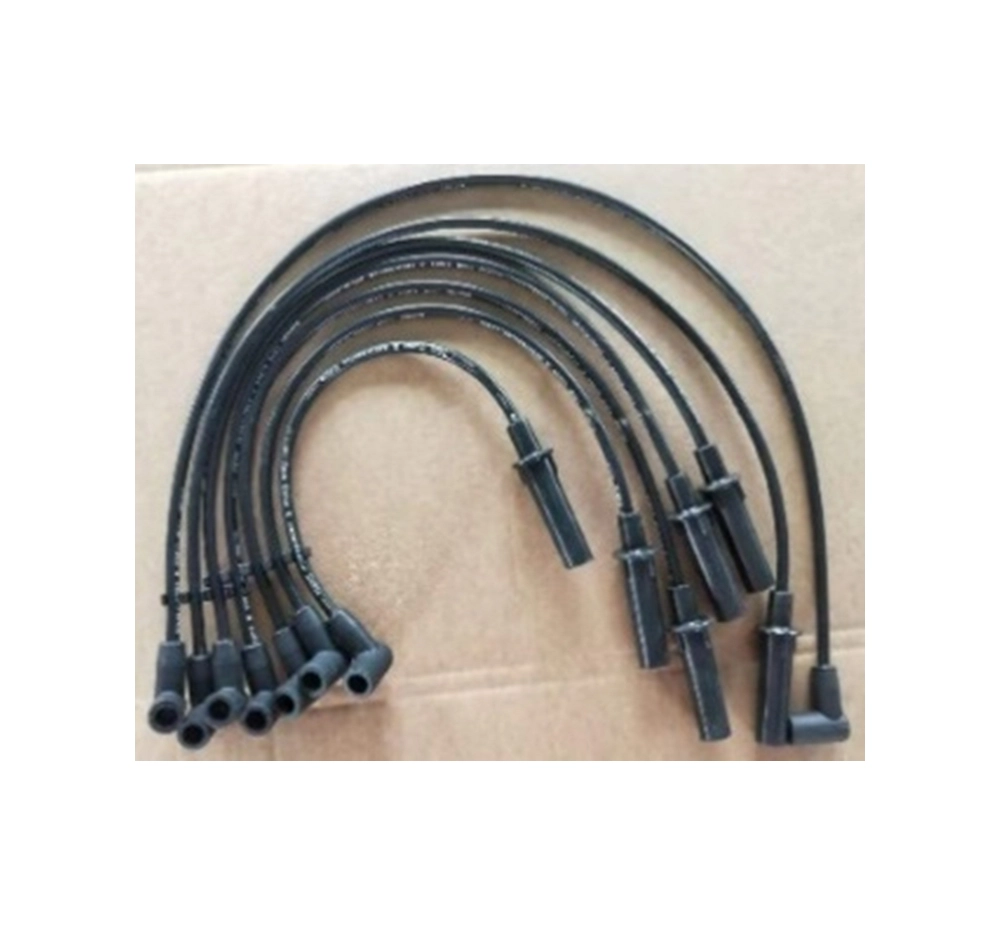
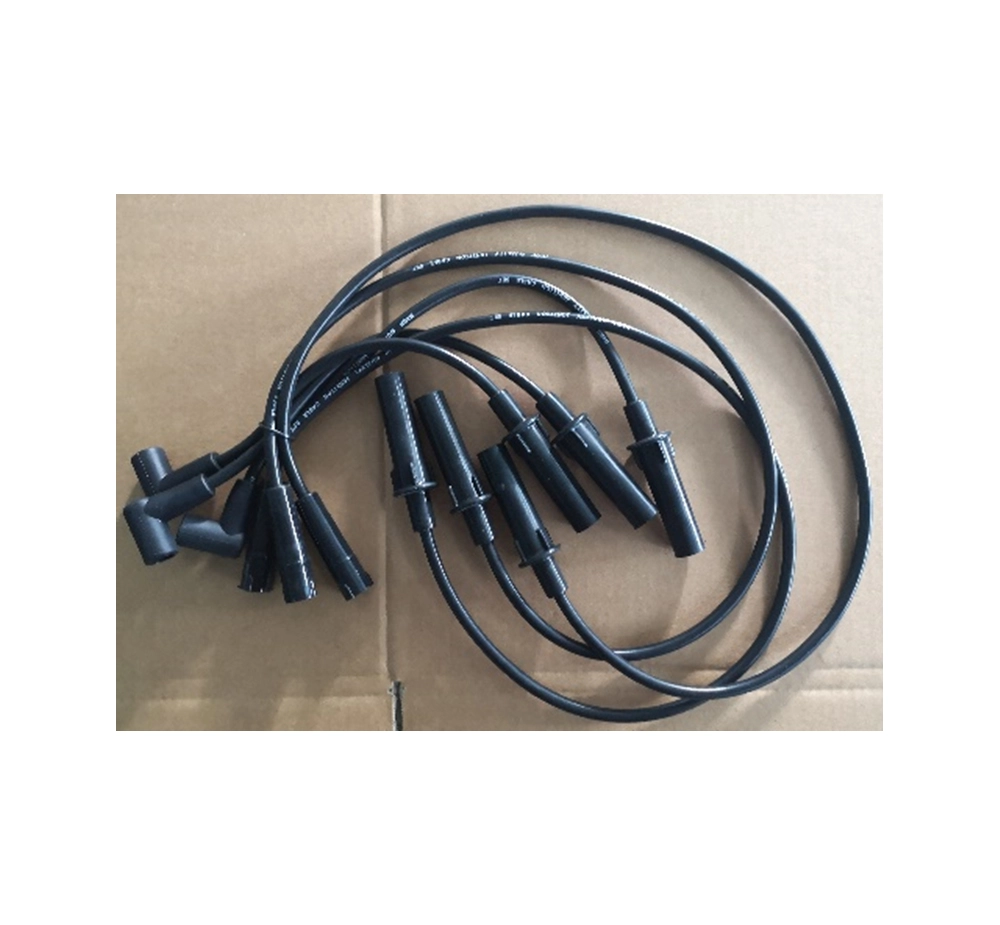
| OEM | OEM | OEM | OEM |
| 671-6262 | 6801 7712AA | 356346 | 136022 |
| 70401002 | 680177712AB | 671-6137 | 5019593AA |
| 4728 037AC | 671-6130 | 4728037AD | 4728037 |
| 12487194 | 4728190 | 4728 190AC | 12487263 |
| 671-8117 | 4728038 | 4728038AF | 4728038AE |
| 671-6128 | 83507178 | 12487192 | 5017059AB |
| 4797685AB | 04797685AB | 4797685 | 986357248 |
| 5018394AG | 671-4079 | 671-4081 | 56044075AC |
| 16854F | 354153 | 5102091AA | 5101091AB |
| 5102091AB | 56044075AB | 56044075AD | 56041818AD |
| 56041818AC | 56041818AB | 671-4082 | 05072488AA |
| 250010857 | 12127513032 | 12127513033 | 12127513034 |
| 12127513035 | 88860703 | XC988 | ZK1202 |
| 941318111108 | DRL282 | MSK1107 | 409 63 5010 |
| RC-JG1202 | 88607223 | HOES429 | OES356 |
| DRL284 | RVS39 | 0 986 357 191 | RC-JG1205 |
| XC648 | LS-121/190 | 05018394AF | 5018394AE |
| 5018394AF | 05018394AE | 05018394AG | 671-4079 |
| ZEF1327 | 5013601AB | 5018394AC | 5018394AA |
| 5018394AD | CLS241 | LS-128 /190 | DKB 163 |
| 0986356788 | RCJG1201 | OEF318 | HOES366 |
| OES257 | LR002810 | LR020229 | N54003 |
| 1756231 | ZK1210 | 0 986 357 223 | NGC500400 |
| NGC500410 | NGC500380 | ZEF1663 | 2714830 |
| 3531277-6 | ZEF1193 | 0 300 891 193 | ZEF1262 |
| 89021002 | 671-8170 | 05149051AC | 358348 |
| 138023 | 671-8173 | AL3E12286BA | 5149211AD |
| 05149211AE | 05149211AC | 05149211AD | 0514-9211-AE |
| 0053109187-001 | 83300088 | 83300156 | 83300156AB |
| 88862385 | 748WW | 9748UU | 671-8056 |
| 671-8014 | 12073962 | 12073965 | 88862402 |
| 19154578 | 671-6003 | 12073935 | 9616G |
| 88862443 | 19154576 | 12073935 | 9718Q |
| 671-8066 | 671-8054 | 13553518 | 12192364 |
| 88862381 | 9746KK | 88984265 | 88862384 |
| 19351573 | 15432113 | 12192092 | 19307631 |
| S-5053 | 4728037AC | 671-6130 | 4728037AD |
| 12487194 | 4728190AB | 4728190AC | 4728039 |
| 4720509 | 12487259 | 671-8113 | 671-0006 |
| 2X1782 | 671-8124 | 4728038AD | 4728038AE |
| 4728039AE | 89021254 | 671-8116 | 12487262 |
| 4728038 | S-3750 | 5017058AB | 5017058AA |
| 56041850AA | 671-4070 | S-4630 | 671-4080 |
| 56041852AA | 56041853AA | 56041854AA | 56041855AA |
| 671-6136 | 89021252 | 671-8139 | ERR4121 |
| ERR4122 | ERR4123 | 89021068 | 671-8010 |
| 12043748 | 2X1131 | 671-6045 | 9001509 |
| 9101509 | 671-8123 | 4339402 | 671-6122 |
| 671-8122 | 83300090 | 2X10¹⁹ | 12487258 |
| 671-4069 | 16804C | 2X10¹⁵ | 83502400 |
| 83500276 | 8983500276 | 671-6123 | 4439049 |
| 756F | 2X1263 | 12487187 | 671-8126 |
| 671-8002 | 671-6140 | 671-8047 | 12043781 |
| 671-8001 | 671-4019 | 671-8125 | 671-4113 |
| 9321910 | 2X1594 | 89021060 | 671-4112 |
| 8817314 | 2X1592 | 671-6065 | 9001609 |
| 9101609 | 671-4024 | 12002015 | 12002096 |
| 12036944 | 12043702 | 4796975 | 4773841 |
| 4883233 | 671-4073 | 05033233AA | 5033233AB |
| 671-8140 | 1756217 | 2X1588 | NGC103740 |
| NGC103750 | NGC103760 | NGC103770 | NGC103780 |
| NGC103790 | NGC103800 | NGC103810 | 671-8119 |
| 671-6280 | 5H2E12286DE | S858385 | 671-8156 |
| 358341 | 671-8127 | 88861340 | 16828Q |
| 358329 | SC-C01 | 671-8138 | NGC500240 |
| ERR4410 | 9337346 | ZEF1200 | 680MW85 |
| 671-6068 |
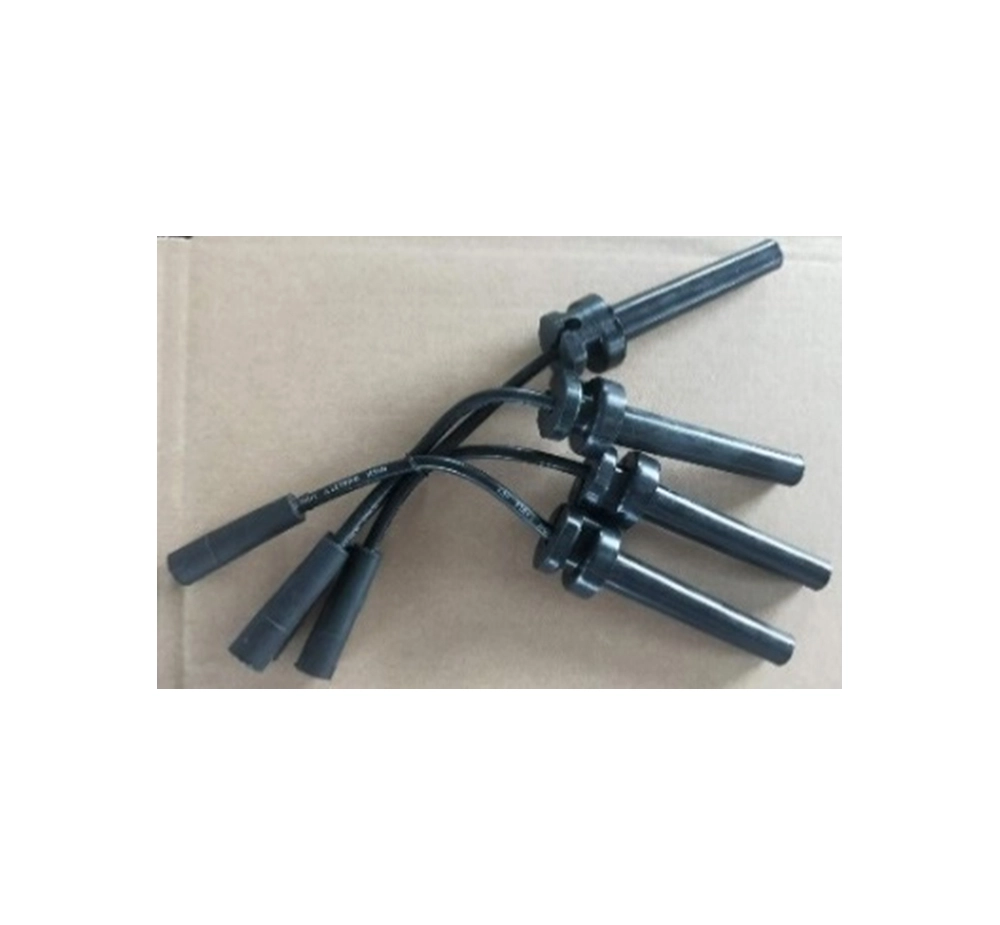
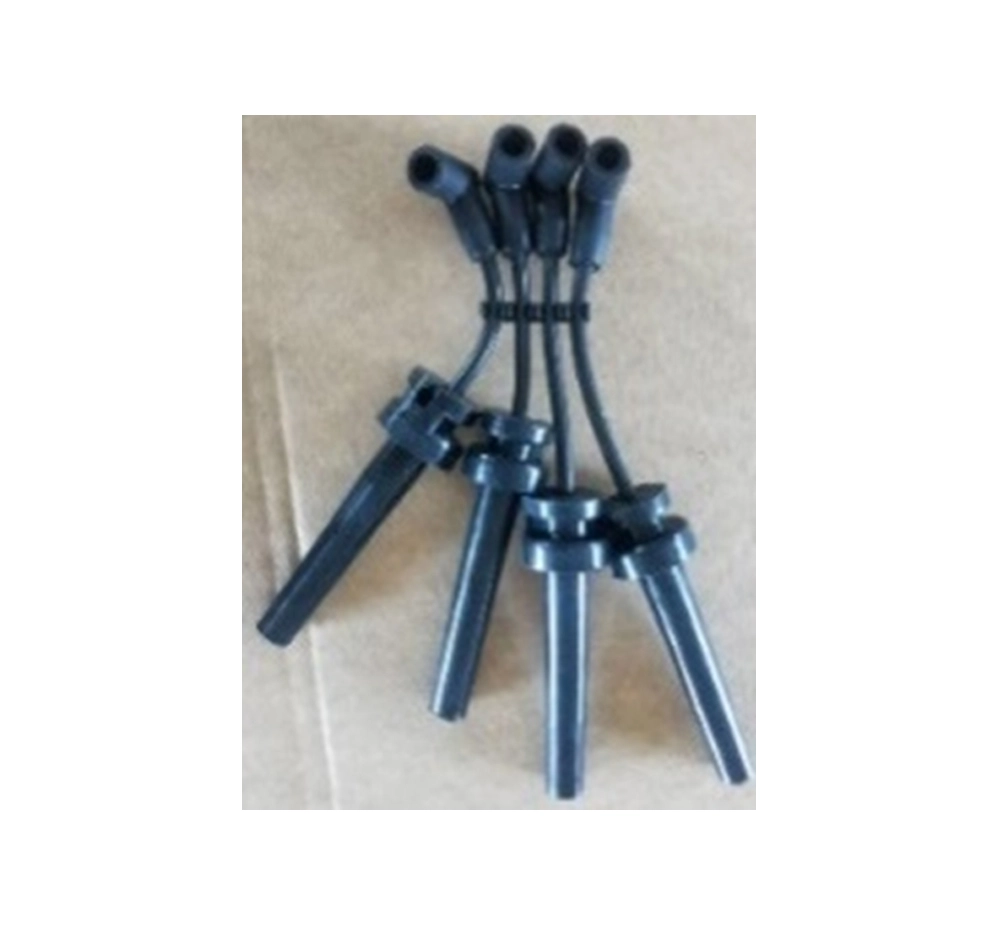
Modern ignition systems require stable voltage transfer and dependable spark delivery to maintain engine efficiency. This ignition lead set is developed for multiple vehicle platforms including Chrysler, Jeep, Dodge XJ, Land Rover, Volvo, Saab, and GMC models, providing reliable electrical connection between the ignition coil and spark plugs.
Built with durable insulation materials and precision-engineered conductors, these Performance Ignition Leads are designed to maintain ignition stability under high-temperature and high-vibration engine environments. The reinforced cable structure helps reduce energy loss during voltage transmission while improving resistance to heat, oil contamination, and moisture exposure.
For aftermarket maintenance and replacement applications, dependable ignition performance is essential for smoother combustion and reduced engine hesitation. Stable spark transfer can help improve throttle response, cold-start performance, and overall driving stability.
Engine compartments expose ignition components to constant thermal cycling and mechanical vibration. Ordinary ignition wires may gradually harden, crack, or experience voltage leakage over time, leading to unstable combustion and ignition interruptions.
This ignition lead set uses heat-resistant outer insulation combined with secure terminal connections to support long-term durability in daily driving environments. The flexible cable design also improves installation efficiency and routing adaptability inside compact engine layouts.
| Feature | Benefit |
| High-conductivity core | Stable spark energy transfer |
| Heat-resistant insulation | Improved durability under high temperatures |
| Flexible cable structure | Easier installation and routing |
| Strong terminal connection | Reduced voltage leakage |
| Multi-vehicle compatibility | Suitable for various aftermarket applications |
High-performance ignition lead sets are engineered to provide more reliable electrical conductivity and improved spark stability compared with conventional ignition wires. Because ignition systems operate under continuous high voltage and elevated engine temperatures, high-quality materials become critical for maintaining long-term performance. Durable Performance Ignition Leads help minimize resistance and reduce ignition energy loss during voltage transmission from the ignition coil to the spark plugs.
Advanced insulation materials also improve protection against heat, vibration, moisture, and oil contamination, helping extend service life under demanding operating conditions. Stable spark delivery contributes to smoother combustion, reduced misfire risk, and more consistent engine response. In modern gasoline engines, reliable ignition performance is especially important for maintaining fuel efficiency and supporting stable operation during acceleration, idling, and cold starts.
This ignition lead set is widely suitable for:
▶ Automotive ignition system replacement
▶ Vehicle repair and maintenance projects
▶ Daily driving applications
▶ Multi-brand gasoline engine systems
With dependable conductivity, durable construction, and stable spark transmission capability, these Performance Ignition Leads provide an efficient solution for maintaining reliable ignition performance across multiple vehicle platforms.
| Application | Auto Engine Parts |
| size | OEM Standard |
| Warranty | Two year or 50,000 km |
| Application | Auto Ignition System |
| Quality | 100% Professional Test |
| MOQ | 50 Pcs |
| Packing | Neutral Packaging or Customized box |
| Color | Picture Showing |
| Delivery time | 10-50 Days,usually depends on the quantity |
| Package | Neutral Packaging |
| Specifications: | |||
| Item Description: | Ignition Coil,Auto Ignition Coil | OEM No.: | New |
| Material: | Plastics & Metal&Copper | Condition: | |
| Pins: | Color | Picture Showing | |
| Warranty: | 2-years / 50,0000 kilometers | Car Fit: | For Cars |
| MOQ: | 100 | Size: | OEM Standard |
| Stocks: | Yes | Quanlity: | Excellent |
| Shipping Terms: | DHL,EMS,TNT,UPS,as your requirements | Payment Terms: | Western Union, T/T,L/C |
| Packing Details: | Neutral Packaging or Customized box | Delivery Time: | 20-40 days after order, usually depends on the quantity |