We use cookies to offer you a better browsing experience, analyze site traffic and personalize content. By using this site, you agree to our use of cookies. Privacy Policy
7738
NGK Number NGK Model OE Model
2380 PFR7G-11 101000063AA
5002 BKR7EIX-11
5648 IFR6Q-G
6458 PFR6Q
7866 IFR5N10
7963 PFR7Q
91039 IFR7X7G
92400 FR7BHX-S
6290 PFR6H-10
6840 PFR7W-T (Triple-element, dual-platinum)
91953 BKR8EQUA
2668 BKR8EIX
1675 PFR7S8EG
95609 IFR6Z7G
97610 PFR7S11EG

Product Details

PDF Download

Automotive Ignition Plugs for Stable and Efficient Engine Performance

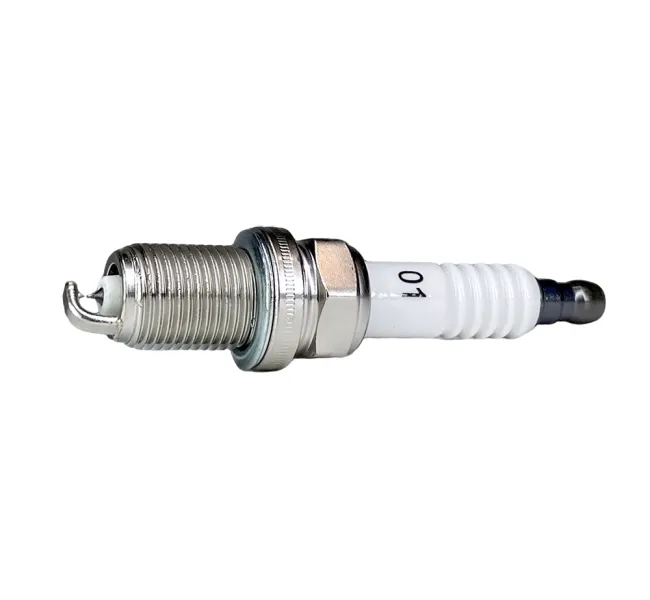
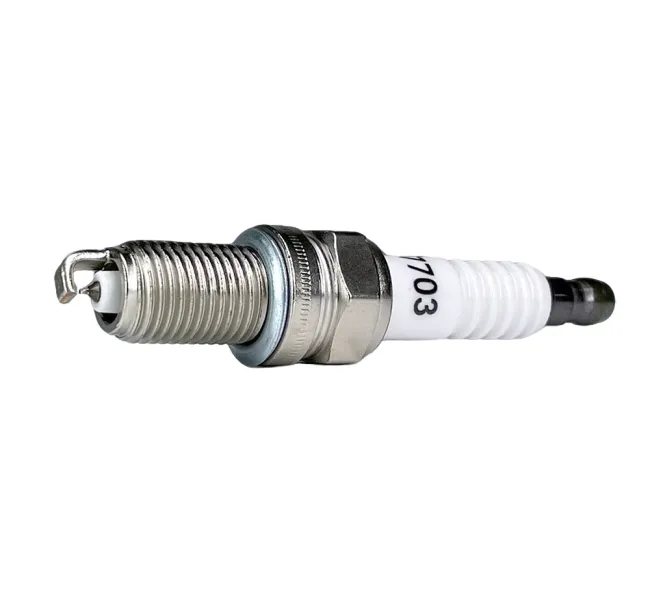
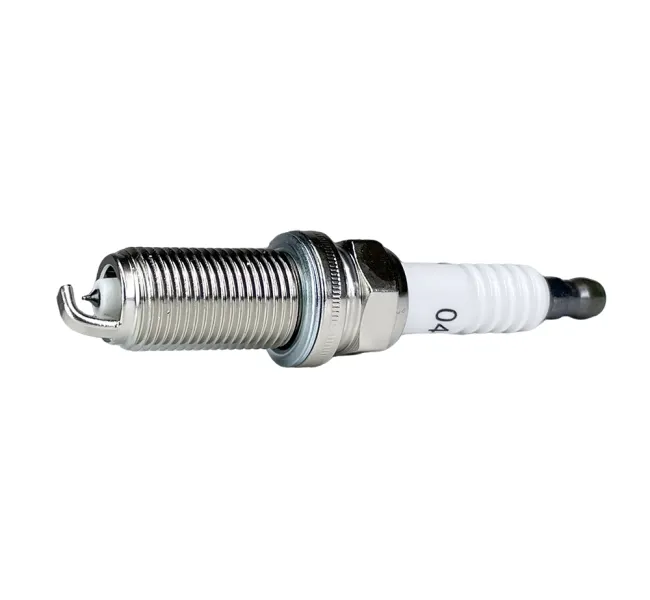
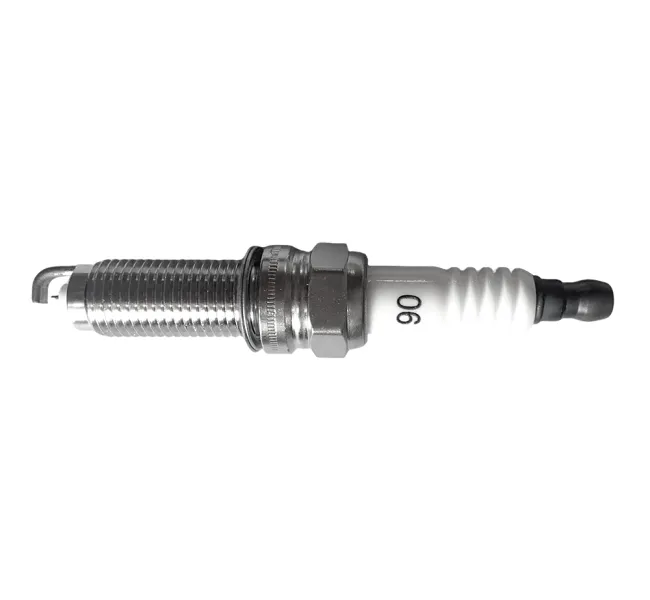
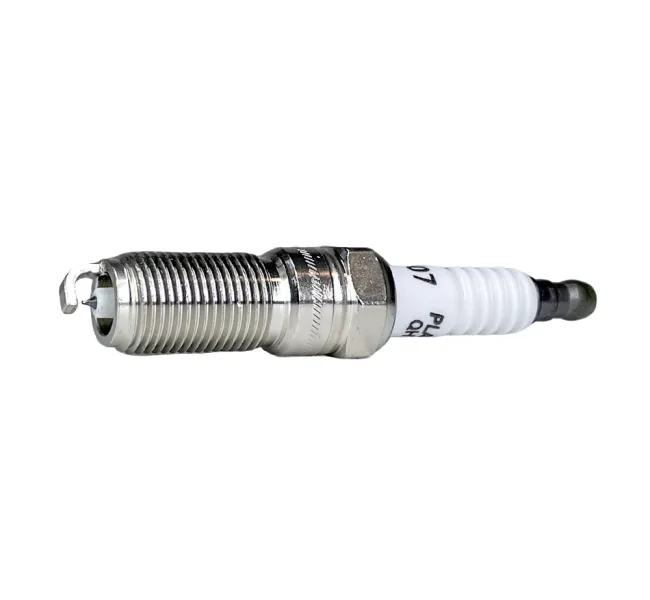
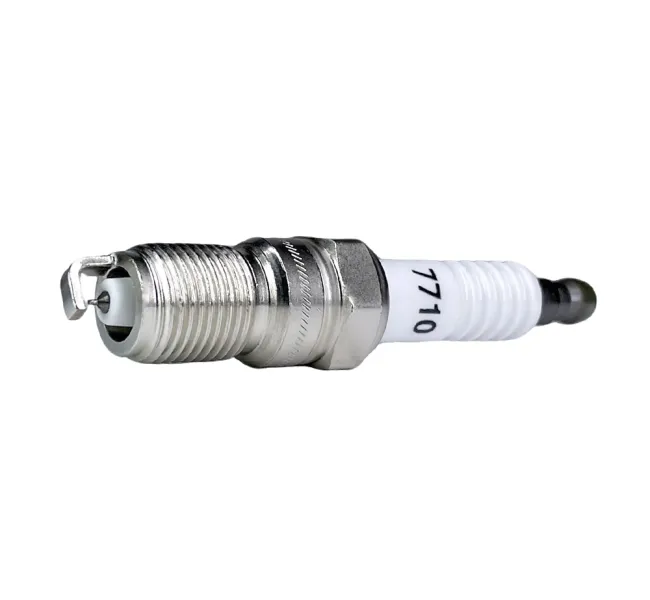
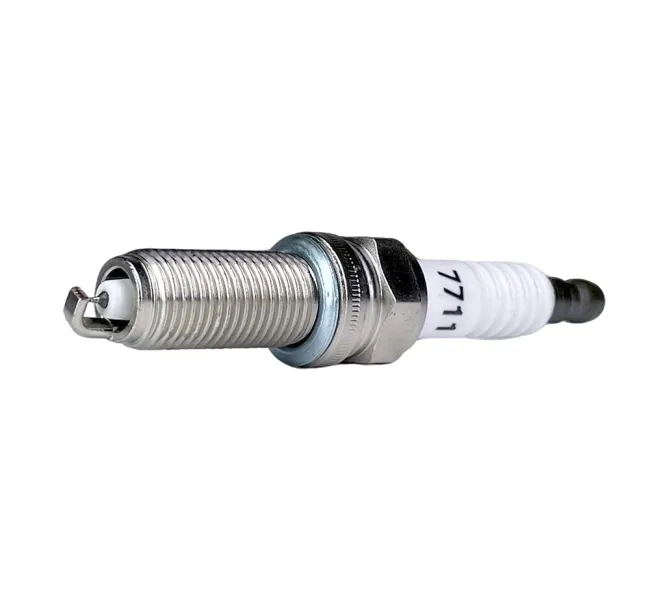
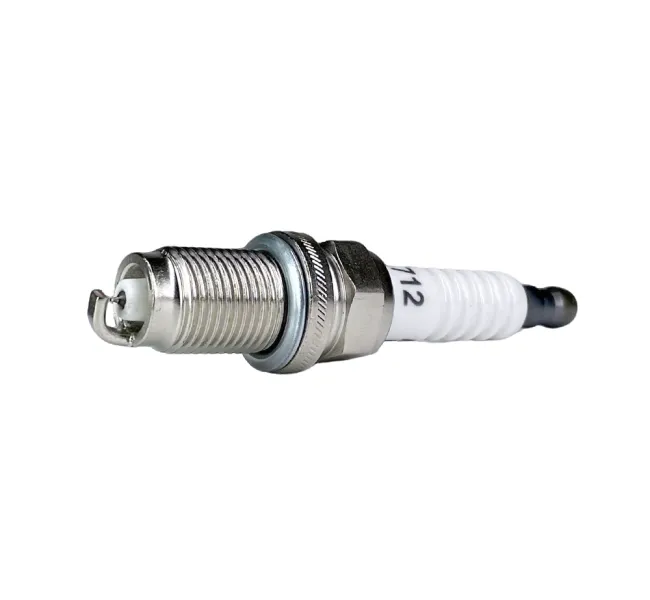
Reliable ignition is essential for maintaining engine efficiency, smooth acceleration, and consistent fuel combustion. High-quality Automotive ignition plugs are designed to deliver stable spark performance under demanding operating conditions, helping modern engines achieve improved combustion efficiency and dependable starting performance.

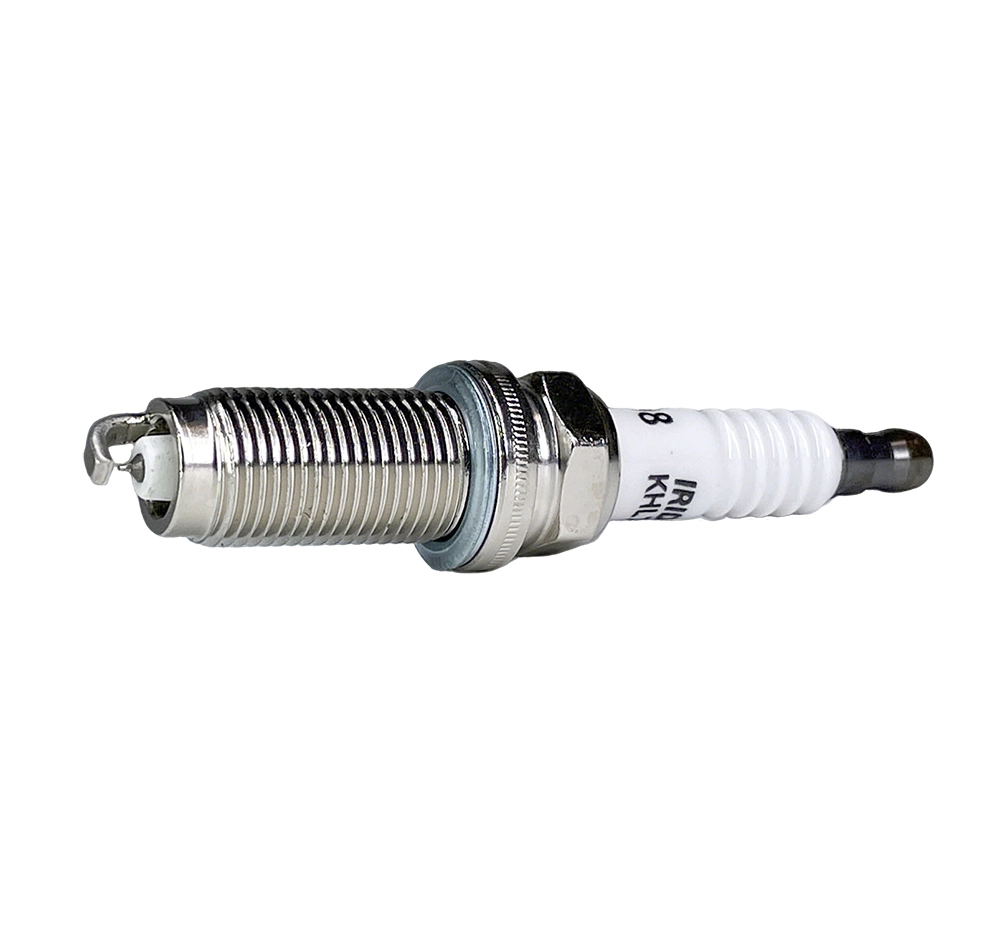
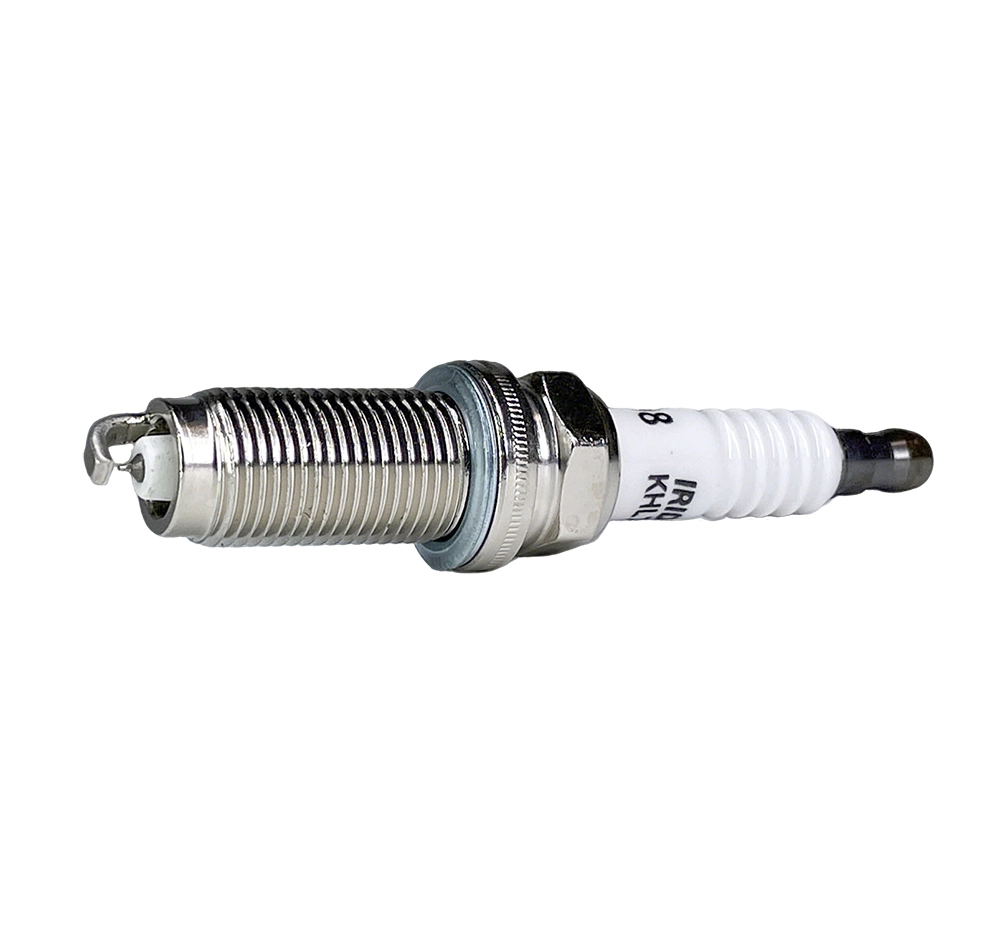
This spark plug features a durable structure with precision-engineered electrodes that support efficient ignition and stable electrical conductivity. Designed for compatibility with various gasoline engine systems, it helps reduce ignition misfires while maintaining reliable spark generation at both low and high engine speeds.

The compact threaded structure allows secure installation, while the heat-resistant materials improve durability in high-temperature combustion environments. Its optimized electrode configuration also contributes to smoother engine operation and reduced energy loss during ignition.

Product Advantages

▶ Stable high-voltage spark generation

▶ Reliable cold-start performance

▶ Improved combustion efficiency

▶ Durable heat-resistant construction

▶ Reduced ignition misfire risk

▶ Strong resistance to vibration and thermal stress

▶ Suitable for modern automotive ignition systems

Because ignition quality directly affects engine responsiveness and fuel utilization, selecting dependable  Automotive ignition plugs can contribute to better long-term engine performance and reduced maintenance frequency.

Why Is Spark Plug Gap Important?

The spark plug gap refers to the distance between the center electrode and the ground electrode. Although the gap appears small, it has a major influence on ignition efficiency and overall engine performance.

When the gap is properly calibrated, the spark can ignite the air-fuel mixture efficiently and consistently. If the gap is too narrow, the spark may become weak, resulting in incomplete combustion and reduced engine power. On the other hand, an excessively wide gap requires higher voltage to generate a spark, which can place additional stress on the ignition system and increase the likelihood of misfires.

A properly adjusted spark plug gap helps maintain stable ignition timing, smoother acceleration, and improved fuel combustion efficiency. It also supports better cold-start performance and lower emissions. For this reason, maintaining the correct spark plug gap is an important part of ensuring reliable operation in modern automotive engines. 

Designed for Modern Engine Demands

Modern engines operate under higher compression ratios and stricter emission standards than older systems. This requires ignition components capable of delivering reliable spark energy under varying operating conditions.

These  Automotive ignition plugs are engineered to withstand high combustion temperatures, rapid thermal cycling, and continuous vibration exposure. Their durable construction helps maintain ignition stability over extended service intervals, making them suitable for passenger vehicles and other gasoline-powered automotive applications.

With stable electrical performance and dependable ignition characteristics, high-quality spark plugs remain an essential component in achieving efficient and reliable engine operation.

Description

An ignition coil is a crucial component in the ignition system of both cars and motorcycles. Its primary function is to convert the 12 volts of electricity from the car battery into a much higher voltage (up to 45,000 volts), which is necessary to create a spark at the spark plug. This spark ignites the air-fuel mixture in the engine's cylinders, powering the vehicle. Without the ignition coil, the engine wouldn't be able to start, making it one of the most important parts of the engine's ignition system.

In this article, we'll break down the different types of ignition coils available, including Pencil Ignition CoilsSingle-Point CoilsMulti-Outlet Ignition Coils, and Ignition Lead Sets. Each of these plays a specific role in ensuring optimal engine performance. We'll also address some frequently asked questions to help you better understand their importance.


Types of Our Ignition Coils

Pencil Ignition Coil

Pencil Ignition Coil is designed to be compact and highly efficient. These coils are often used in modern vehicles that require a smaller and more efficient ignition system. The pencil shape allows them to fit directly on top of the spark plug, ensuring that the spark is generated right at the point where it is needed. Pencil coils are particularly effective in Engine Coil Packs because they offer a compact design while still providing the necessary high voltage to ignite the air-fuel mixture.

Single-Point Coil

Single-Point Coil is a traditional ignition coil that operates using a single coil for each spark plug. Typically, these are used in older ignition systems, where each coil is connected to a single spark plug, ensuring a high-energy spark is generated for ignition. They are often found in older vehicles but have been largely replaced by more modern multi-coil systems for better performance and fuel efficiency.

Multi-Outlet Ignition Coil

Multi-Outlet Ignition Coil provides ignition to more than one spark plug at a time. This coil type is commonly used in modern vehicles that employ a Coil-On-Plug (COP) system, where each cylinder has its own coil. The Multi-Outlet Ignition Coil ensures that the vehicle receives efficient and precise ignition, enhancing performance, fuel economy, and reducing emissions. The COP system, combined with multi-outlet coils, minimizes the energy loss and ensures that each spark plug receives the exact voltage it needs for ignition.

Ignition Lead Set

An Ignition Lead Set is a set of high-voltage cables that connect the ignition coil to the spark plugs. The leads carry the high-voltage electricity generated by the ignition coil to the spark plugs, where the spark ignites the engine's fuel-air mixture. High-quality ignition lead sets are critical for ensuring stable and reliable ignition performance. If these leads fail, the engine may misfire, leading to reduced performance and efficiency.

Spark Plug

An spark plug is a critical component of the ignition system that ignites the air-fuel mixture in the engine’s cylinders. It generates a spark when the high-voltage electricity from the ignition coil is delivered to it. The spark plug's role is to create a powerful spark at the right moment, which ignites the compressed air-fuel mixture, starting the combustion process. High-quality spark plugs are essential for ensuring smooth engine operation, optimal fuel efficiency, and preventing misfires. A worn-out or damaged spark plug can lead to poor engine performance and higher fuel consumption.


Common FAQ About Ignition Coils

Q: How long do ignition coils last?

A: Ignition coils generally last between 80,000 and 100,000 miles, depending on the vehicle and the quality of the coil. If your ignition coil starts to fail, you may experience misfires, rough idling, or a decrease in engine performance.

Q: What are the signs of a bad ignition coil?

A: Common signs of a failing ignition coil include engine misfires, rough idling, poor acceleration, and decreased fuel efficiency. In some cases, you may notice the check engine light coming on, and a diagnostic scan may show a code related to the ignition system.

Q: How can I improve my ignition system?

A: Replacing your old ignition coil with high-performance Engine Coil Packs and ensuring that your ignition lead set is in good condition can improve engine performance. Additionally, regular maintenance, such as replacing spark plugs at the recommended intervals, can help prevent ignition system failures.

Q: Are all ignition coils the same?

A: No, ignition coils vary depending on the vehicle type and the ignition system. There are different types, such as Pencil Ignition CoilsSingle-Point Coils, and Multi-Outlet Ignition Coils, each designed for specific purposes. It's important to choose the correct ignition coil for your vehicle to ensure optimal performance.


Conclusion

Ignition coils, such as Pencil Ignition CoilsSingle-Point Coils, and Multi-Outlet Ignition Coils, play a vital role in the functioning of a vehicle's ignition system. Whether you're replacing a single ignition coil or upgrading to an Engine Coil Pack for improved performance, understanding the different types and their functions will help you make the best choice for your vehicle. Make sure to check the quality and compatibility of your ignition components for long-term engine efficiency and reliability.

Request for Quotatlon

  • Name*

  • Tel*

  • Email*

  • Country*

  • leave a message: