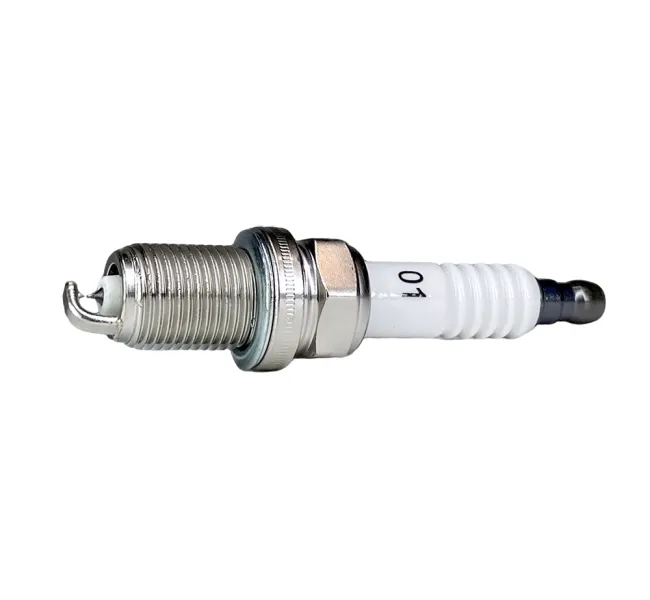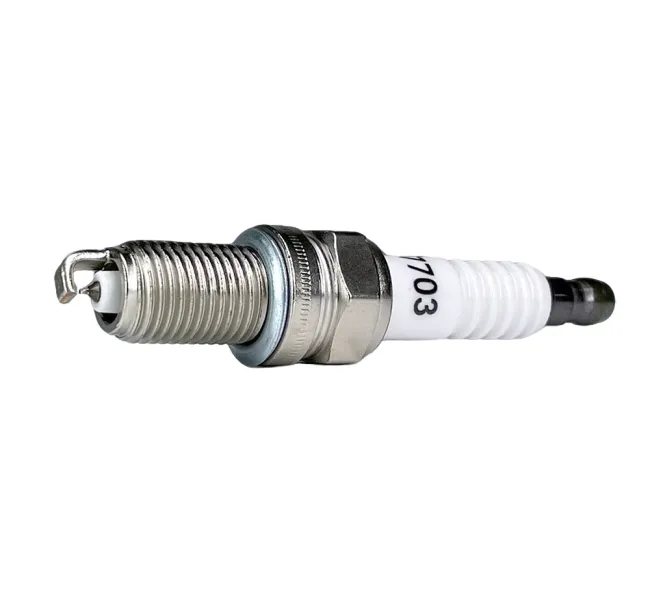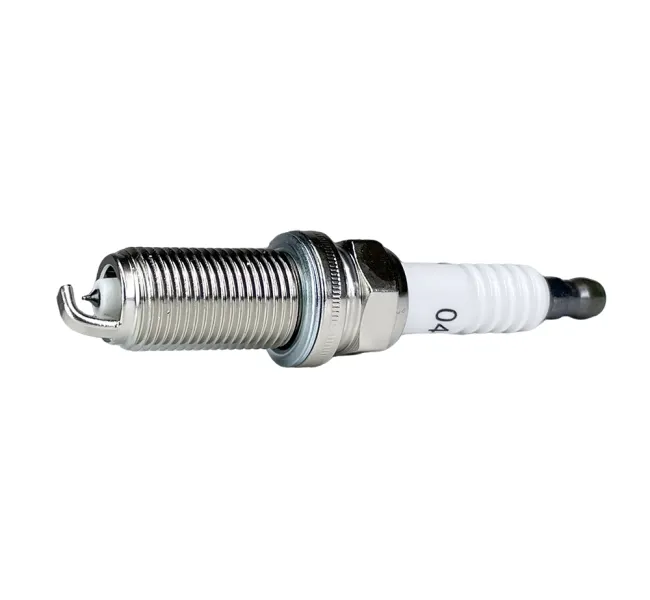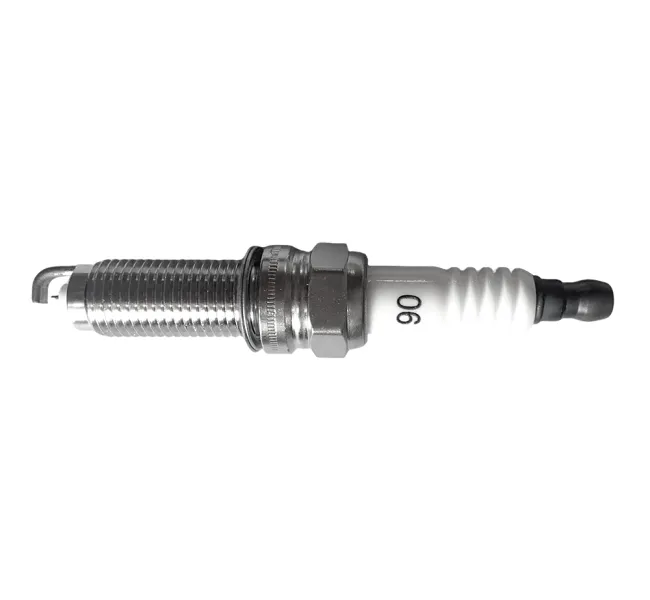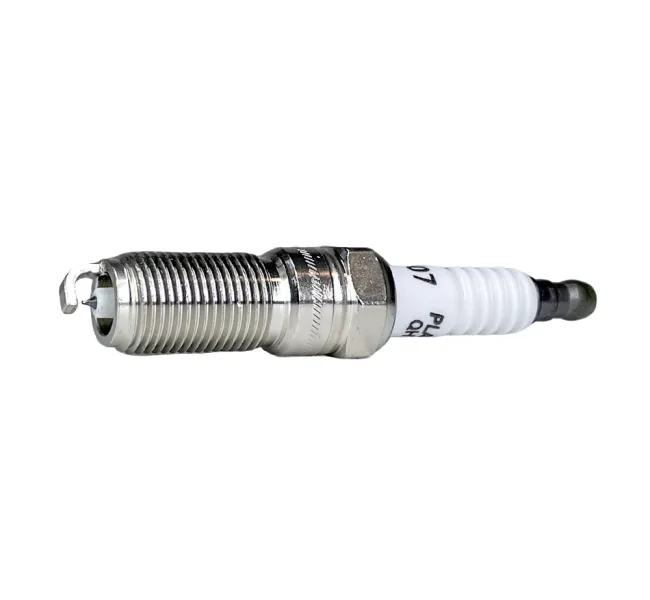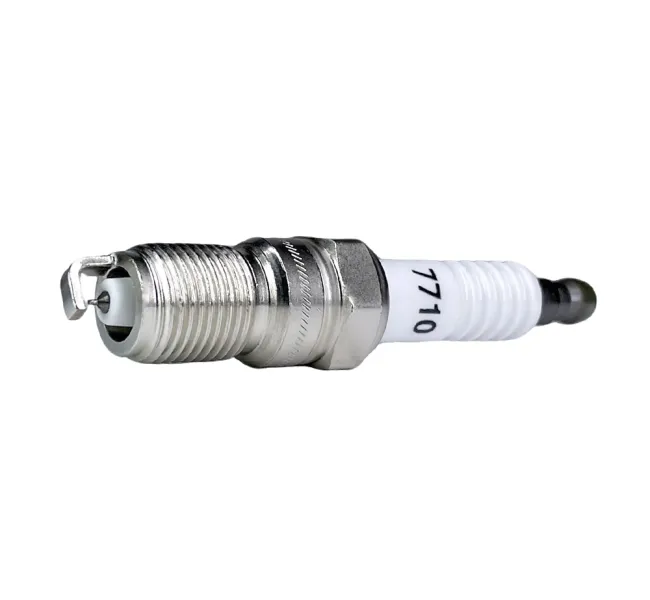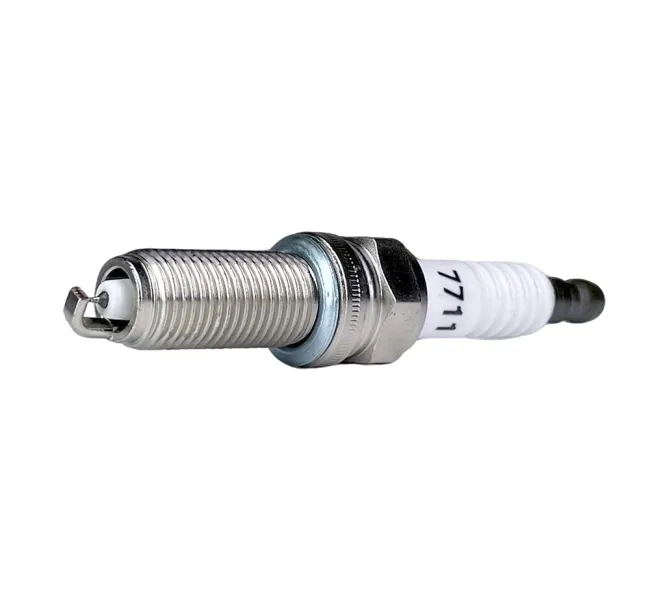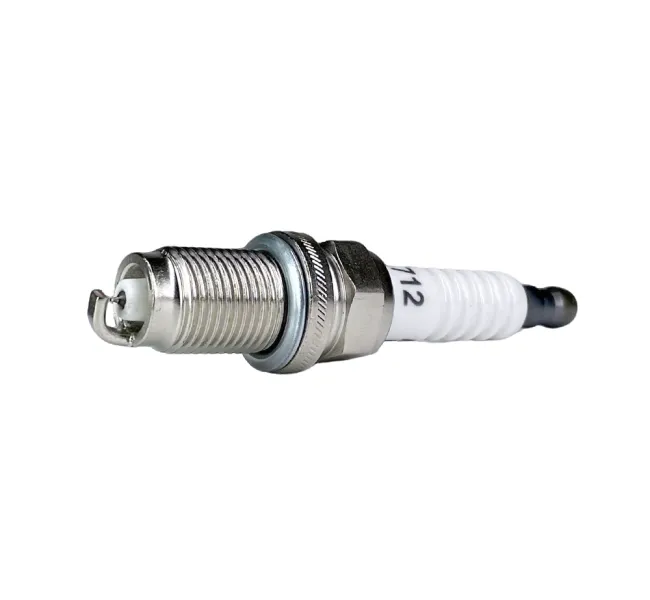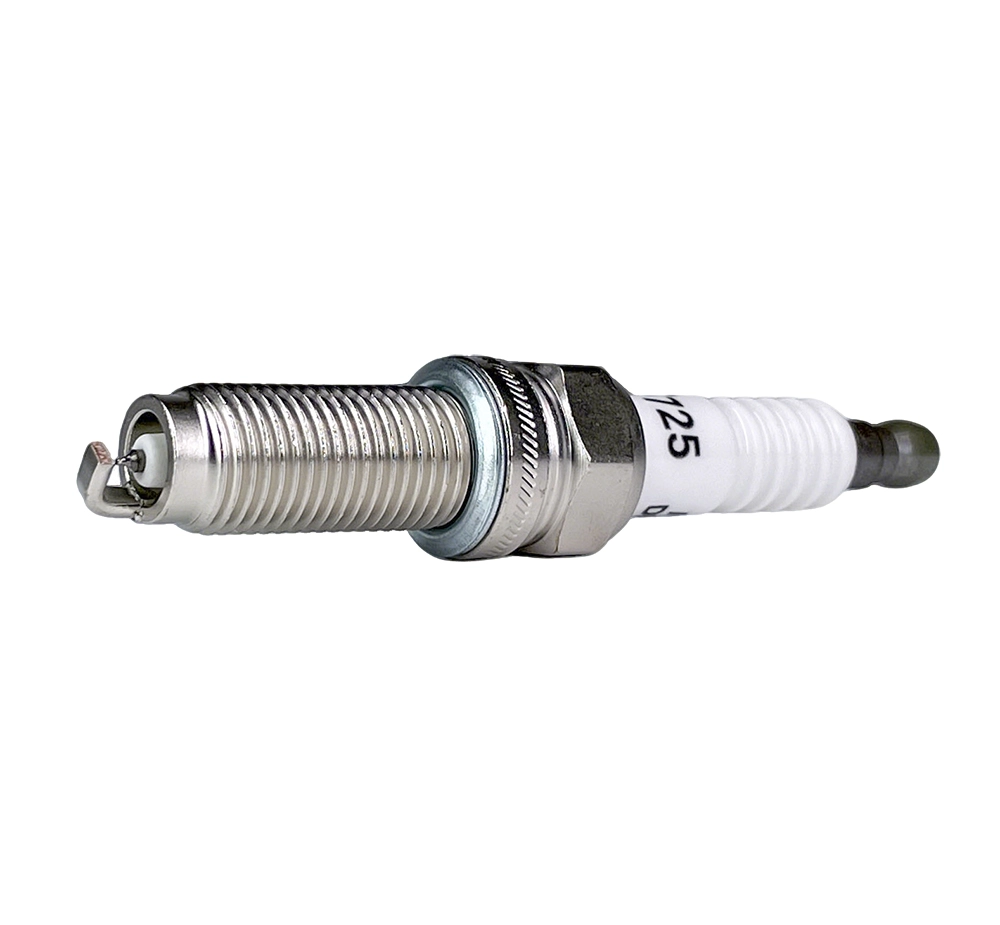
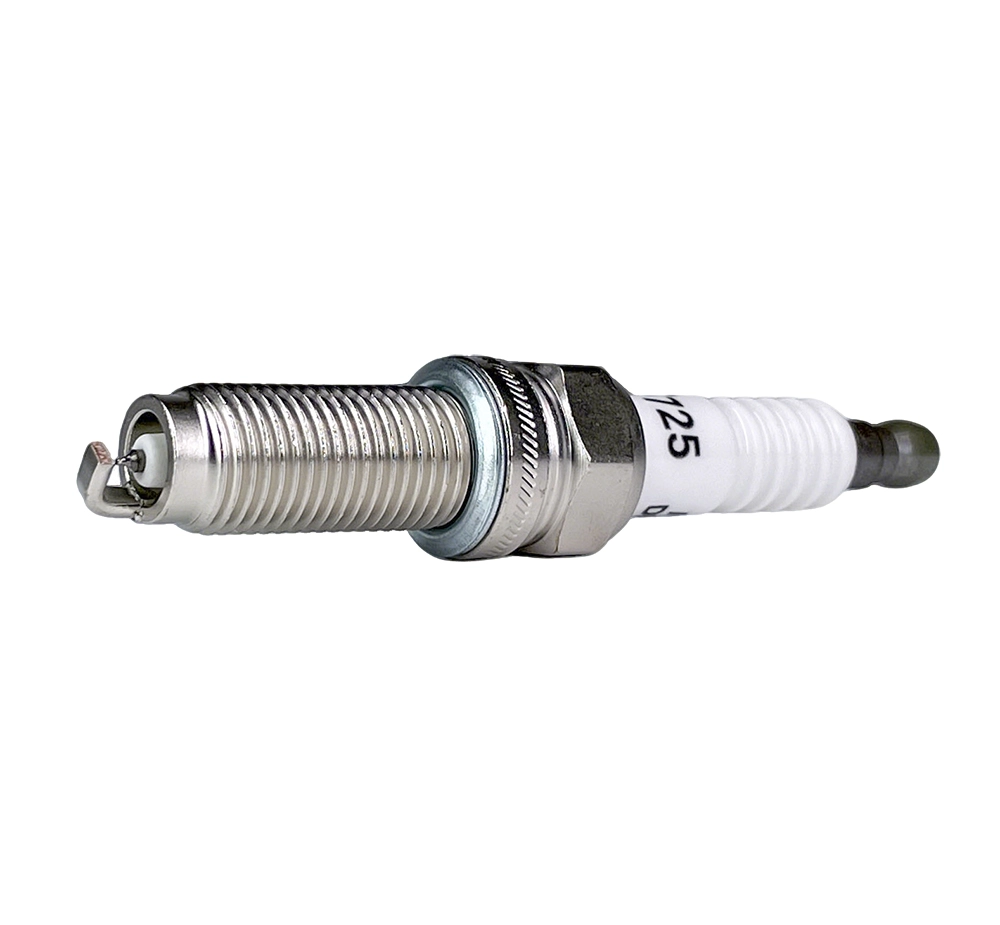
| NGK Number | NGK Model | OE Model |
| 1961 | ILZKR7A | HU10A80P |
| 97312 | ILKR9Q7G | 3737010-B07 |
| 90219 | ILZKR7G7G | |
| 91478 | ILZKR8L7G | |
| 93720 | LKR8HI-8 | |
| 95392 | ILZKR7K8 |
Modern engines require reliable ignition components to maintain efficient combustion, stable acceleration, and reduced fuel consumption. Designed for consistent spark performance under demanding operating conditions, these Platinum Spark Plugs provide enhanced durability, improved ignition efficiency, and dependable engine operation for a wide range of gasoline vehicles.
Built with high-quality electrode materials and precision manufacturing technology, Platinum Spark Plugs help engines achieve smoother starts, more complete fuel combustion, and reduced ignition misfires. Compared with conventional spark plugs, platinum electrodes offer superior resistance to heat and wear, making them suitable for modern high-temperature engine environments.
These Platinum Spark Plugs are engineered to improve ignition stability while extending service life.
▶ Platinum center electrode for enhanced durability
▶ Stable spark generation under high temperatures
▶ Improved combustion efficiency and throttle response
▶ Reduced electrode wear over long-term operation
▶ Better resistance to carbon deposits and corrosion
▶ Reliable cold-start performance
▶ Suitable for modern EFI and high-compression engines
The fine platinum electrode design helps maintain a precise spark gap for longer operating periods, contributing to smoother engine performance and lower maintenance frequency.
Efficient combustion depends heavily on spark consistency. A weak or unstable spark can lead to incomplete fuel burning, rough idling, increased emissions, and reduced engine power.
These Platinum Spark Plugs are designed to generate reliable ignition energy that supports:
▶ Faster ignition response
▶ Stable engine acceleration
▶ Improved fuel economy
▶ Reduced engine vibration
▶ Lower risk of ignition misfires
Their optimized electrode structure also helps improve flame propagation inside the combustion chamber, allowing fuel to burn more efficiently.
Durability testing is an important part of spark plug quality evaluation because spark plugs operate under extremely demanding conditions involving heat, pressure, vibration, and continuous electrical discharge. High-quality Platinum Spark Plugs typically undergo multiple testing procedures to verify long-term performance and reliability.
Common durability tests include thermal shock testing, where the spark plugs are repeatedly exposed to rapid temperature changes to evaluate resistance to cracking and material fatigue. Vibration testing is also performed to ensure structural stability under continuous engine movement. In addition, electrical endurance tests simulate long-term ignition cycles to confirm stable spark generation and electrode wear resistance.
Manufacturers may also conduct corrosion resistance and insulation performance testing to verify that the spark plugs can maintain reliable ignition performance under high humidity and harsh operating environments. These evaluations help ensure that Platinum Spark Plugs can deliver stable operation throughout extended service intervals.
As modern engines continue moving toward higher compression ratios and improved fuel efficiency, ignition systems require spark plugs capable of maintaining stable performance under greater thermal and electrical loads.
These Platinum Spark Plugs are suitable for various modern automotive applications, including:
| Application Area | Performance Benefit |
| Passenger vehicles | Stable daily driving performance |
| High-temperature engines | Improved heat resistance |
| EFI systems | Precise ignition support |
| Long-distance driving | Reduced maintenance frequency |
| High-speed operation | Reliable spark stability |
Their durable construction and optimized ignition characteristics make them a practical choice for drivers seeking reliable long-term engine performance.
| Application | Auto Engine Parts |
| size | OEM Standard |
| Warranty | Two year or 50,000 km |
| Application | Auto Ignition System |
| Quality | 100% Professional Test |
| MOQ | 50 Pcs |
| Packing | Neutral Packaging or Customized box |
| Color | Picture Showing |
| Delivery time | 10-50 Days,usually depends on the quantity |
| Package | Neutral Packaging |
| Specifications: | |||
| Item Description: | Ignition Coil,Auto Ignition Coil | OEM No.: | New |
| Material: | Plastics & Metal&Copper | Condition: | |
| Pins: | Color | Picture Showing | |
| Warranty: | 2-years / 50,0000 kilometers | Car Fit: | For Cars |
| MOQ: | 100 | Size: | OEM Standard |
| Stocks: | Yes | Quanlity: | Excellent |
| Shipping Terms: | DHL,EMS,TNT,UPS,as your requirements | Payment Terms: | Western Union, T/T,L/C |
| Packing Details: | Neutral Packaging or Customized box | Delivery Time: | 20-40 days after order, usually depends on the quantity |