When a vehicle starts smoothly, accelerates normally, and maintains stable fuel consumption, most drivers rarely consider the ignition system behind this performance. However, every combustion cycle depends on a reliable spark, and the ignition coil is the component responsible for creating the high voltage needed to ignite the air-fuel mixture.
Although ignition coils are designed to operate for many years, some vehicles experience ignition coils fail prematurely due to harsh operating conditions, electrical stress, or component quality issues. Understanding the reasons behind ignition coil failure can help drivers identify problems earlier and make better decisions when choosing replacement components.
An ignition coil works as a voltage transformer inside the engine ignition system. It converts the vehicle's low battery voltage into the high voltage required by the spark plug.
The process is based on electromagnetic induction. When the ignition system sends an electrical signal, the coil stores energy through its primary winding. Once the current is interrupted, the stored energy is released as a high-voltage pulse that travels to the spark plug and creates the spark needed for combustion.
Modern vehicles rely heavily on stable ignition performance because engines operate under increasingly demanding conditions. Higher compression ratios, turbocharging technology, and stricter emission standards all require a more reliable automotive ignition coil that can maintain consistent output.
There is rarely a single reason behind premature coil failure. In most cases, several factors gradually reduce the performance and lifespan of the component.
Heat is one of the biggest challenges affecting ignition coil lifespan. The engine compartment is exposed to continuous temperature changes, especially during long-distance driving or heavy engine loads.
Over time, repeated heating and cooling cycles can weaken insulation materials, damage internal windings, and reduce the coil's ability to generate stable voltage. This is why high-quality ignition coils often use heat-resistant materials and advanced insulation designs to improve durability.
An ignition coil is designed to produce high voltage repeatedly, but abnormal conditions can increase the electrical load.
For example, worn spark plugs with incorrect gaps, damaged wiring, or problems within the ignition system can force the coil to work harder than normal. Continuous overload may result in unstable spark output, internal short circuits, or complete failure.
The environment around an engine is far from ideal for electronic components. Oil leaks, water exposure, and accumulated dirt can affect the insulation performance of an ignition coil.
Once moisture enters the coil housing, it may create unwanted electrical paths that reduce voltage efficiency. Proper sealing and high-quality manufacturing processes are therefore essential for preventing ignition coil problems caused by environmental factors.
Engines naturally produce vibration during operation. Although ignition coils are designed to withstand these conditions, continuous mechanical stress can eventually affect internal connections and materials.
A well-designed high voltage ignition coil must balance electrical performance with mechanical durability to maintain reliable operation over thousands of engine cycles.
Premature failure does not always happen suddenly. Many drivers first notice small changes in vehicle behavior before a complete breakdown occurs.
Common symptoms include:
For example, a vehicle may start normally but develop hesitation during acceleration. As the problem progresses, the engine may experience more frequent misfires and trigger the check engine light.
| Symptom | Possible Impact |
|---|---|
| Engine misfire | Unstable combustion and reduced performance |
| Weak acceleration | Insufficient spark energy |
| Hard starting | Poor ignition during startup |
| Higher fuel consumption | Incomplete fuel combustion |
Recognizing these signs early can prevent additional stress on other engine components, such as spark plugs and catalytic converters.
Not all ignition coils provide the same level of reliability. While many products may look similar externally, internal materials and manufacturing precision can significantly affect performance.
A reliable replacement ignition coil usually focuses on three important areas: stable electrical output, strong insulation protection, and resistance to heat and vibration. These factors directly influence how long the component can maintain proper ignition performance.
For aftermarket applications, choosing an OEM-quality ignition coil is especially important. A properly designed coil should match the original engine requirements rather than simply provide short-term functionality.
A high-quality automotive ignition coil helps restore consistent spark energy, improve combustion stability, and reduce the risk of repeated ignition issues. This is why selecting the right replacement component is often more valuable than choosing the lowest-cost option.
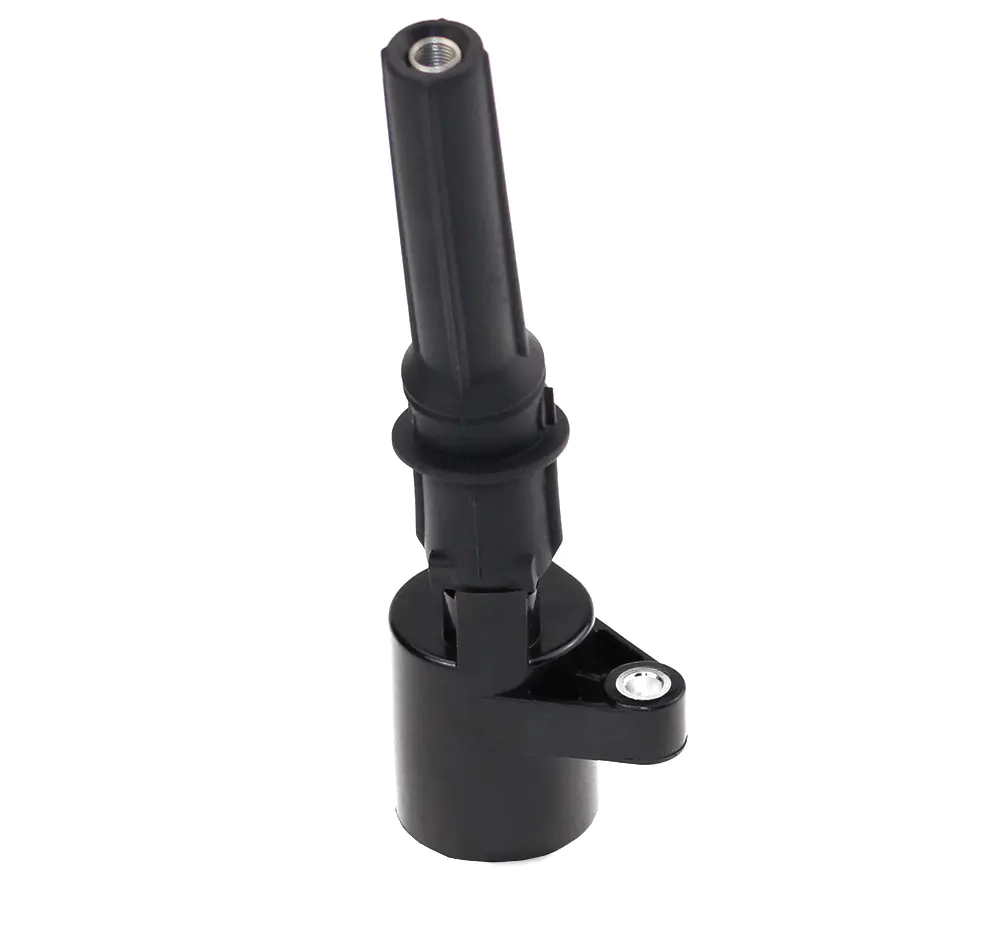
Imagine a vehicle that has been operating for many years. The owner begins noticing rough idling, slower acceleration, and occasional hesitation during driving.
After checking the fuel system and replacing worn spark plugs, the problem remains. Further inspection reveals that the ignition coil has weakened after years of exposure to heat and vibration.
After installing a reliable replacement ignition coil, the difference is often noticeable immediately. The engine starts more smoothly, idle quality improves, and throttle response becomes more consistent.
The improvement does not come from adding extra power. Instead, it restores the combustion efficiency and driving feel that the vehicle originally had.
There is no fixed replacement interval for every vehicle. The ignition coil lifespan depends on factors such as engine temperature, driving conditions, spark plug condition, and manufacturing quality.
Yes. A failing coil can cause incomplete combustion and continuous misfires. If ignored for a long time, it may place additional stress on spark plugs and the catalytic converter.
It depends on the vehicle condition. If one coil fails, replacing only the damaged unit may be sufficient. However, for high-mileage vehicles, checking the condition of all coils can help prevent future problems.
Although wear is unavoidable, proper maintenance can help extend ignition coil service life. Keeping spark plugs in good condition, addressing oil leaks quickly, and using high-quality replacement components can reduce unnecessary stress on the ignition system.
Ultimately, the reason ignition coils fail prematurely is usually related to a combination of heat, electrical stress, environmental conditions, and manufacturing quality. A dependable ignition coil is not just a replacement part; it is a key component that supports stable combustion, efficient engine operation, and long-term vehicle reliability.